

4400-A Ambassador Caffery Parkway, Lafayette, LA 70508
To contact a resident: (337) 988-0076
For more information about senior living options: (866) 208-4318
Overall Review of Griswold Special Care
Pros
 The service has been wonderful for her 96-year-old mother.
- The sitter cooks meals and helps her feel safe at home.
- The sitter drives her to doctor’s appointments, to pick up her mail, and to grocery shop.
- If the regular sitter cannot come, the service provides a replacement, so there is no scrambling to find help.
- All of this has freed her to go out of town without worrying about her mother.
- Griswold Home Care has lifted a large weight off her shoulders.
- For the most part, things have gone very well, with constant communication and collaborative problem solving.
- The reviewer would recommend Griswold Home Care.
Cons
 The dad can be really a lot of trouble.
 - There was a time when they sent someone not up to par for his dementia needs.
- The caregiver could have been a little more experienced.
Review
Griswold Special Care in Lafayette is best suited for families seeking reliable, non-medical in-home support that keeps an aging relative at home with safety, meals, transportation, and daily reminders. This option shines when the priority is continuity of caregiver relationships, predictable scheduling, and the freedom for relatives to travel or handle other responsibilities without worrying about coverage. It works especially well for the very elderly who mainly need companionship, meal prep, safe transportation to doctor visits, and help managing errands, while not requiring constant nursing care. For families with a parent who thrives in a home setting but needs hands-on help, this service offers the right balance of independence and oversight.
Those who should consider alternatives: if medical oversight or skilled nursing is needed, or if dementia care demands highly specialized, experienced clinicians, a licensed home health agency or an assisted living setting may be more appropriate. If a fixed caregiver is non-negotiable or the schedule requires 24/7 hands-on supervision with guaranteed coverage, this model may not meet every expectation, given the occasional caregiver mismatch noted in one account. Budget constraints, a need for rigid, formal care plans, or a desire for a facility-based environment are also reasons to look elsewhere.
The high-value pros are practical and tangible: sitters cook meals and handle errands, driving to appointments, picking up mail, and grocery shopping, all tasks that preserve independence and dramatically reduce family stress. The service’s coverage resilience, replacement caregivers when a regular sitter is unavailable, eliminates gaps and reduces the scramble to find help. Tight communication with families and a collaborative approach to resolving issues further build trust, so families can plan trips or time away with confidence.
Where concerns exist, they are real but manageable. A single instance of a caregiver whose experience with dementia fell short points to a risk inherent in non-medical home care: not every match is perfect. Yet the overall pattern shows strong continuity, rapid remediation, and openness to adjust care as needs evolve. The advantages, safety, daily support, transportation, and consistent updates, often outweigh the occasional mismatch, and the ability to swap caregivers and involve family in decision-making mitigates the downside.
For families weighing options, Griswold offers a practical path to extend independence without entering facility life. The ability to rely on covered transportation, in-home meals, and regular check-ins reduces the burden on primary caregivers and creates a stability net. The experience described by a family, being freed from constant worry and able to leave town, highlights the emotional and logistical value. If the goal is to keep a loved one at home with dependable backup, this service reliably delivers.
Actionable next steps: define care tasks and expectations clearly, request caregiver matching with dementia experience if needed, and insist on a clear backup plan and escalation process. Establish a trial period to test fit and responsiveness, confirm scheduling and rates, and set up a straightforward line of communication for updates and concerns. If cognitive needs intensify, plan to reassess: a licensed home health provider or a move to an assisted living facility can be the right switch, but Griswold Special Care should be confident in delivering steady, safe home care with strong family collaboration.
 Lafayette Regional (5 miles away)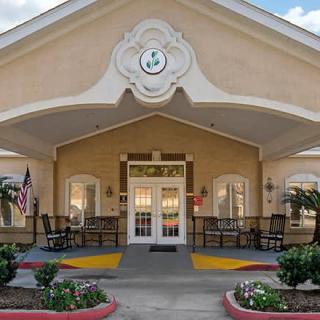





 Encouraging Participation in Adult Day Care: A Guide to Supporting a Hesitant Parent
 Comprehensive Exploration of Living Wills and Other Advance Directives
 A Detailed Exploration of Living Wills and Advance Directives