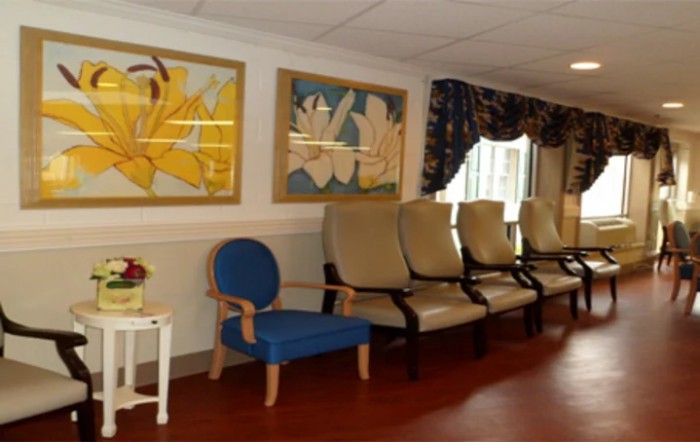
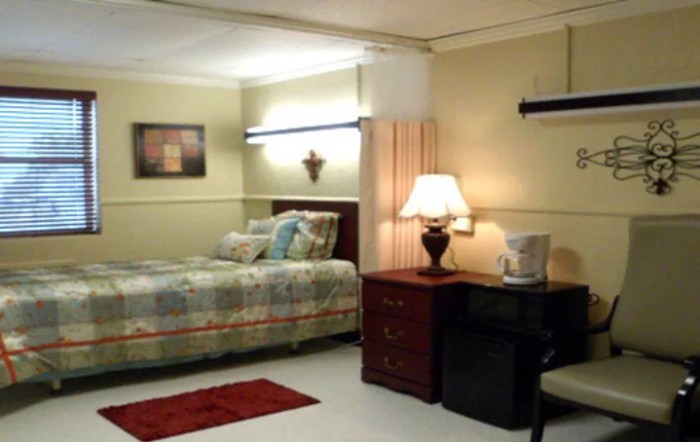
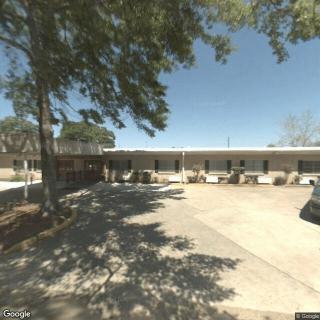
1005 Eraste Landry Rd, Lafayette, LA 70506
To contact a resident: (337) 232-6370
For more information about senior living options: (866) 208-4318
Lady of the Oaks Nursing Home Costs & Pricing
Lady of the Oaks Nursing Home offers a range of accommodation options with varying costs that reflect its quality of care and amenities. For a studio room, residents can expect to pay $3,395 per month, which is notably more affordable than the average rate in Lafayette Parish at $3,723, but slightly higher than the state average of $3,235. The 1-bedroom option is priced at $5,295 monthly, significantly surpassing both local ($3,972) and state ($3,413) averages, indicating a premium service or enhanced living conditions. Meanwhile, those seeking private accommodations will find a substantial cost of $9,095 per month; this rate exceeds not only the Lafayette Parish average of $6,298 but also the Louisiana state benchmark of $4,521. Collectively, these figures suggest that while Lady of the Oaks may command higher prices for some room types compared to local and state norms, they likely offer unique features or services that set them apart in terms of value and resident satisfaction.
| Floor plans | Lady of the Oaks Nursing Home | Lafayette Parish | Louisiana |
|---|---|---|---|
| Studio | $3,395 | $3,723 | $3,235 |
| 1 Bedroom | $5,295 | $3,972 | $3,413 |
| Private | $9,095 | $6,298 | $4,521 |
Overall Review of Lady of the Oaks Nursing Home
Pros
 Lady of the Oaks is a good place.
- The staff truly care about the residents.
- It’s family oriented.
- Great times with great people.
- Compassionate staff and lively activities for the residents.
- The residents are happy and well cared for.
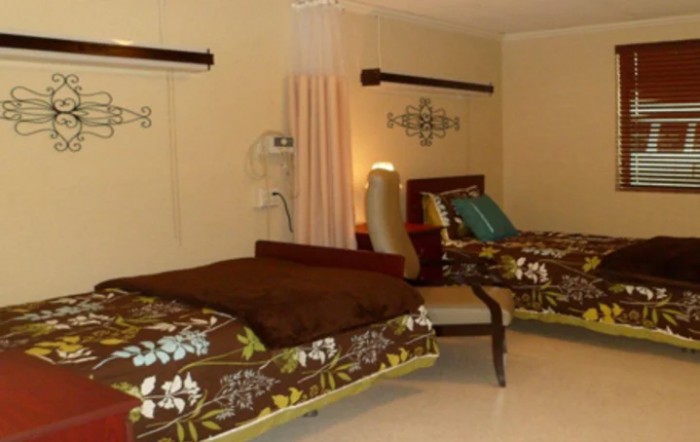
- Recent updates to rooms.
- A great place for loved ones with people who really care.
Cons
 The administration does not care and does not contact families about patient issues.
- The facility left the grandmother with kidney failure and an infected leg.
- The room smelled of feces and she was not properly cared for.
- The staff neglected the grandmother.
- The reviewer contemplated suing if the grandmother died due to their neglect.
- They would not recommend sending anyone here.
- The facility is the most depressing, with staff rude and disrespectful, more preoccupied with phones than with patients and their families.
- The staffing is absolutely horrible, disrespectful, and the overall condition of the nursing home is unsanitary.
- A nurse joked about residents dying within a week, while another nurse laughed at the commentary.
- Nurses talked rudely to residents, telling them they stink to their faces, belittling them, and not taking anything they said seriously.
- The reviewer warned nurses not to work at the nursing home.
- The facility is the worst place to work and the worst place to put a loved one.
Review
Lady of the Oaks Nursing Home in Lafayette is best suited for families that prize a warm, family-like atmosphere where direct-care staff are consistently present, engaged, and willing to go the extra mile with residents. For residents who thrive on routine, social activity, and hands-on rehabilitation, the strongest case is made by stories of compassionate aides and effective physical therapy. Where the front-line team is praised, families often feel that their loved ones are seen, heard, and valued in daily care, with staff forming bonds that resemble extended family. In short, this community works well for those who value personal warmth, meaningful interaction, and robust rehab services on a daily basis.
However, serious red flags appear for families prioritizing administrative transparency and reliable institutional discipline. Alternatives should be considered by those who need steady, proactive communication from leadership; by families who demand consistently sanitary conditions and respectful, professional conduct from all staff; and by residents who rely on careful supervision to prevent medical and safety lapses. The reviews signal that administrative responsiveness, accountability, and a clean, well-run environment are non-negotiable for some families, and those expectations are not uniformly met here. When these factors matter most, it is prudent to search for a setting with clearer governance, stronger oversight, and a proven track record of timely family updates.
The strongest pros, genuine staff dedication, a family-oriented culture, and active programming, do offer tangible value that can meaningfully offset the daily burden of aging in place. Direct caregivers are frequently described as compassionate, attentive, and deeply invested in residents’ well-being, and the rehab services, particularly physical therapy, receive high praise from those who have benefited. Lively activities and visible improvements in room aesthetics are also cited as signs of a cared-for community. For a resident who prioritizes personal connection, motivation to participate in daily routines, and ongoing rehabilitative work, these advantages can be compelling and legitimately offset some discomforts.
Yet the cons undermine trust in the overall experience and diminish the perceived value for long-term placement. Reports of administration disengagement, a lack of timely updates to families, and even outright neglect in extreme cases paint a troubling picture of what should be a safety-net facility. Sanitation issues and rooms described as unsanitary by visitors, accompanied by behavior that skews toward disrespect or callousness, amplify concerns about daily oversight and risk management. When management is perceived as distant or indifferent, the impact on family peace of mind and resident safety eclipses the positives seen in caregiver interactions and activity programs.
Given these dynamics, families should approach this community with a concrete decision framework. Before deciding, request a candid meeting with administration to establish how concerns will be tracked and communicated, and insist on clear escalation pathways for any care or safety issues. During a tour, observe interactions between staff and residents, ask about nurse-to-patient ratios, and seek recent incident or housekeeping records to gauge ongoing quality control. In addition, speak with current residents and their families about response times, transparency, and daily routines. If possible, arrange for a short trial period or a defined transition plan to test how well the care and communication align with expectations.
The bottom line is that Lady of the Oaks offers undeniable warmth and competent rehabilitative care in the right hands, but the weight of administrative and sanitary concerns cannot be ignored. For families whose priority is consistent, proactive leadership, transparent communication, and a pristine care environment, alternatives are worth scrutinizing. For those who can tolerate imperfect governance in exchange for meaningful staff connection and proven therapy gains, this community can deliver meaningful day-to-day benefit. The decision hinges on which risk, administrative opacity and cleanliness lapses or the potential for heartfelt, hands-on care, each family is unwilling to live with long term.
 137 resident community capacity
 Skilled Nursing Facility
 Air-conditioning
 Beauty salon
 Cable or satellite TV
 Computer center
 Dining room
 Fitness room
 Fully furnished
 Gaming room
 Garden
 Housekeeping services
 Kitchenette
 Move-in coordination
 Outdoor space
 Private bathrooms
 Restaurant-style dining
 Small library
 Telephone
 Wellness center
 Wi-Fi/high-speed internet available
 Lafayette Regional (4 miles away)
 Community operated transportation
 12-16 hour nursing
 24-hour call system
 Activities of daily living assistance
 Assistance with bathing
 Assistance with dressing
 Assistance with transfers
 Diabetes diet
 Medication management
 Mental wellness program
 Special dietary restrictions
 Concierge services
 Planned day trips





 Highly Beneficial Low-Impact Exercises for Senior Living Residents
 Is In-Home Healthcare Tax Deductible? Your Comprehensive Guide
 Nurturing Well-Being Through Gardening: A Detailed Guide for Senior Enthusiasts