
Heritage Healthcare - Hammond

Save

Heritage Healthcare - Hammond

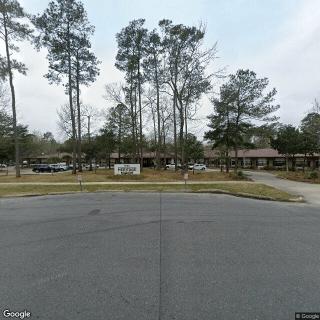
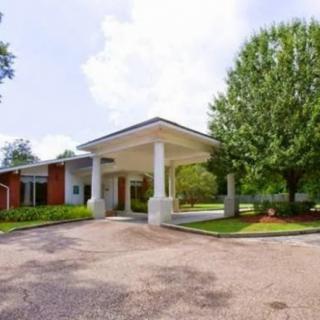
1300 Derek Drive, Hammond, LA 70403

For more information about senior living options: (844) 490-3973

2.8 from 22 reviews
5 stars
7
4 stars
1
3 stars
3
2 stars
2
1 stars
9

Skilled Nursing Facility

Overall Review of Heritage Healthcare - Hammond

Pros

  • pro A reviewer described a warm welcome when moving their dad in and was glad they chose Heritage, noting the dad seemed pleased and praising Amy as knowledgeable and humble.
  • pro Another reviewer said Heritage took wonderful care of their daddy.
  • pro The staff were described as friendly, competent, and knowledgeable, with weekly updates appreciated by the family.
  • pro It was noted that the staff strive to keep loved ones safe, especially during COVID-19.

Cons

  • pro The facility is described as the worst and should be closed down.
  • pro The food is horrible and wouldn't be fed to a dog.
  • pro Call buttons are ignored and responses can take 30?60 minutes.
  • pro Family members are not allowed to stay overnight with the patient.
  • pro Visitation hours are deceptive; staff push patients to leave at night and deny entry afterhours.
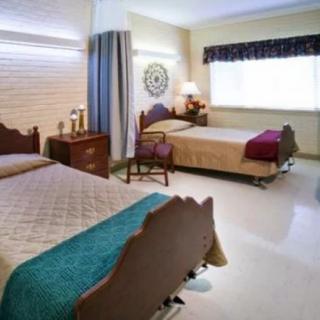
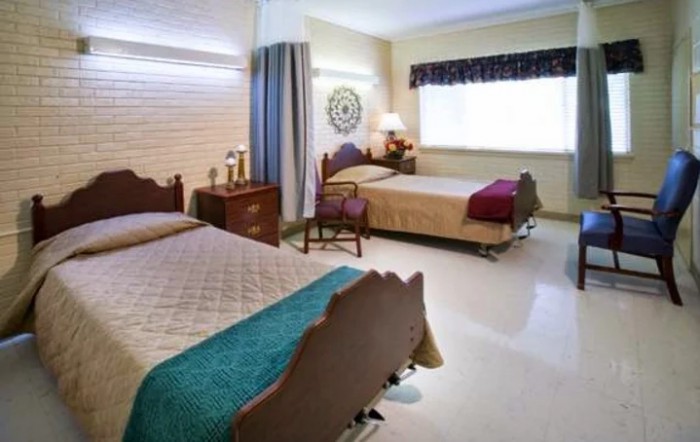
  • pro The rooms are deceptive; two patients share a tiny room with a shared TV and bathroom, with no shower.
  • pro Nurses delay responding to patient needs for 30?45 minutes or more.
  • pro Roaches are present; cleanliness is poor and rooms/bathrooms aren't cleaned for weeks.
  • pro Masks are not worn properly by some staff, with PPE often inconsistent.
  • pro Infections (e.g., C. diff) are not adequately treated, leading to worsened conditions.
  • pro The reviewer would not recommend this rehab facility.

Review

The experiences shared about this facility run the gamut from warm and appreciative to deeply alarming, painting a picture of a place where care quality, communication, and daily operations seem to swing wildly depending on who you talk to and when you visit. On one end, families describe a welcoming start and praise for specific staff members who seem genuinely involved in a loved one's well-being. On the other, there are relentless complaints about conditions, responsiveness, privacy, and basic comfort that leave families feeling frightened or betrayed. Taken together, the collection reads like a patchwork of contrasting realities rather than a single, consistent experience.

Several reviewers focus on the most immediate, tangible aspects of daily life in the facility. Food quality is a recurring sore spot, with one person flatly calling the meals "horrible" and not something they would feed to a dog. The dissatisfaction isn't limited to taste; one reviewer who mentions a prior infection and ongoing rehab notes they did not receive the care they needed for infections like C. diff, and they describe being disappointed with the overall rehab experience, including the perception that they were not given necessary therapeutic services. In contrast, other comments touch on a more positive daily routine, with some families noting attentive updates and a sense of safety during the COVID era. The split in perception around basic amenities - food, therapy access, and infection control - appears to be a central thread, underscoring how differently lived experiences can feel in the same space.

A striking theme across many accounts is the issue of responsiveness and availability. Several reviews describe call buttons that go unanswered for long stretches and staff who seem reluctant to assist immediately when a patient needs help. One account details a patient who pressed the call button repeatedly for 30 minutes without a response, until a family member intervened. The same account highlights a broader frustration with delays ranging from 30 to 45 minutes or longer. This sense of slow reaction times is paired with criticisms about staff prioritization - specifically, a perception that nurses insist on handling tasks themselves and push families to step back, even when patients clearly need timely assistance. The mismatch between what families are told about care expectations and what they observe in practice is a potent source of anger and mistrust.

Visitation and overnight access emerge as another major red flag for some reviewers. The facility has been criticized for not allowing family members or caregivers to stay overnight with a patient, despite assurances from admitting staff that there are no set visitation hours and that loved ones can come at any time when they ring the bell. The reality, according to the reviewers, is drastically different: doors are closed during the night, visitors are repeatedly told to leave around 10:00 PM, and the front door can remain unresponsive to the bell for extended periods. When people push back or need to return after hours, they report ongoing pressure to depart and a sense that the facility is actively discouraging family involvement, which many see as undermining patient advocacy and emotional support during recovery.

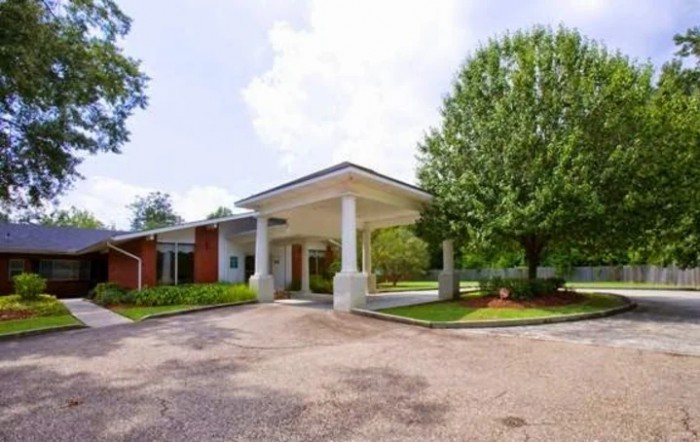
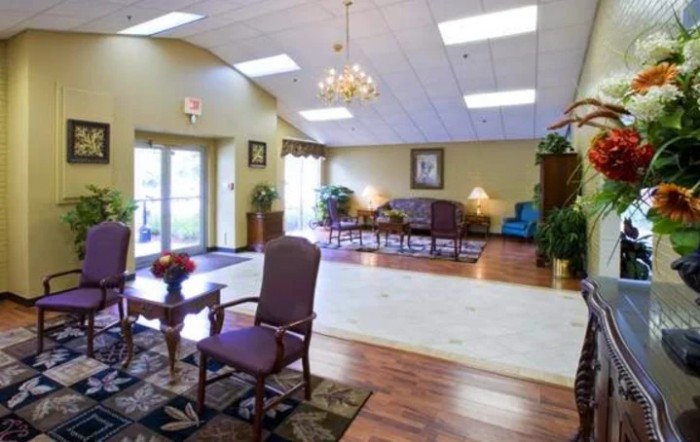
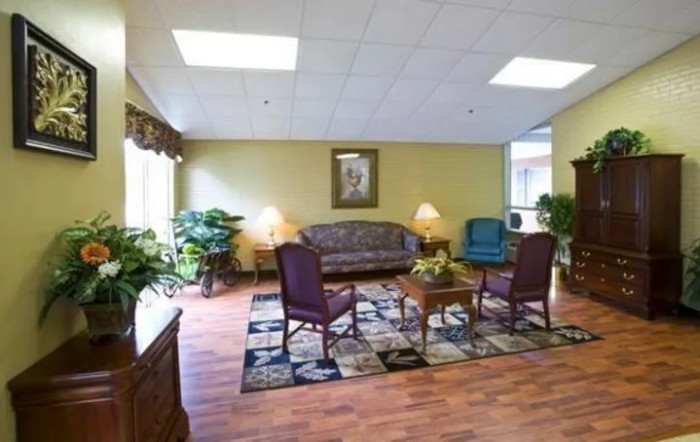
Room configuration and transparency about living spaces also come under scrutiny. Several reviewers contend that the photos used to represent rooms are deceptive, with actual conditions revealing two patients sharing a small room, a shared TV, and a shared bathroom, lacking a private shower for the pair. The sense of cramped, less-than-ideal living space contributes to the broader impression of discomfort and insufficient privacy. In some accounts, families note that the environment feels unmanaged in terms of cleanliness, with roaches mentioned in both rooms and bathrooms, and infrequent cleaning extending for weeks. The combination of crowded rooms and cleanliness issues reinforces the belief that the facility does not consistently meet basic standards of comfort and hygiene.

Amid the negative voices, there are moments of praise that complicate the narrative. A few reviewers commend certain staff members for their knowledge, humility, and helpfulness. Comments like "Amy is very knowledgeable and good at what she does" and "the staff is humble and alerting" reflect genuine appreciation for individuals within the facility who communicate well, provide updates, and appear to care for residents. Another account describes a warm, welcoming arrival for a loved one, and gratitude for a smooth initial experience. These positive notes suggest that, when the right people are present and engaged, the facility can deliver care that feels respectful and attentive. The existence of these contrasting experiences highlights how much depends on staff consistency, individual personalities, training, and perhaps even shifts or days of the week.

Finally, considerations around health crises and infection control intersect with concerns about overall care. One reviewer recounts moving a parent in and receiving a "warm welcoming," paired with praise for the staff during the pandemic era, noting that weekly updates helped families feel informed and secure about safety. By contrast, another review describes a troubling health trajectory where infections and poor rehabilitation planning contributed to a decline in strength and a return to a hospital for further treatment. Taken together, these stories illuminate how the same facility can be a source of comfort and resilience for some families while becoming a source of fear and frustration for others, especially when medical and supportive services appear inconsistent.

Overall, the mosaic of reviews presents a facility that is clearly capable of delivering compassionate, personalized care through certain staff members and moments, while simultaneously failing to meet expectations in areas that are critical to patient well-being and family trust. The most conspicuous concerns cluster around visitation policies and overnight access, responsiveness to calls and alarms, cleanliness and pest control, and the accuracy of the facility's portrayals of room conditions. For families navigating rehabilitation and elder care, these themes translate into real anxieties about safety, dignity, and the ability to advocate effectively for a loved one. While hopeful notes exist - shaped by individual staff members and positive interactions - the overall impression is one of significant and recurring risk signals that families deserve to understand and address when considering this facility for a loved one.

Features

Housing

  • 108 resident community capacity 108 resident community capacity

Types of Care

  • Skilled Nursing Facility Skilled Nursing FacilitySkilled Nursing Facilities are crucial for seniors as they provide round-the-clock medical care, rehabilitation services, and assistance with daily activities. These facilities ensure that seniors receive the specialized care they need to maintain their health and well-being as they age.

Amenities

  • Air-conditioning Air-conditioningAir conditioning is important for seniors as they are more vulnerable to heat-related illnesses and may have underlying health conditions that make it difficult for them to regulate their body temperature. It helps to keep them comfortable, safe, and healthy in hot weather.
  • Beauty salon Beauty salonBeauty salons are important for seniors because they provide a space for them to feel pampered, socialize, and maintain their personal grooming and hygiene. Regular visits to a beauty salon can help boost seniors' self-esteem and overall well-being.
  • Cable or satellite TV Cable or satellite TVCable or satellite TV is important for seniors because it provides entertainment, news, and companionship, helping to combat loneliness and boredom. It also offers a wide range of programming options tailored to different interests and preferences.
  • Computer center Computer centerA computer center is essential for seniors as it provides access to technology, communication tools, and resources that can enhance their daily lives. It allows them to stay connected with loved ones, engage in online activities, and learn new skills, ultimately promoting socialization and mental stimulation.
  • Dining room Dining roomDining rooms are important for seniors as they provide a space for socialization, connection, and nutritious meals. They offer opportunities for residents to bond over shared meals, foster a sense of community, and promote healthy eating habits. Dining rooms also ensure that seniors have access to well-balanced meals tailored to their dietary needs and preferences.
  • Fitness room Fitness roomHaving a fitness room in a senior living community is essential for seniors to stay active, maintain their physical health, and improve their overall well-being. Regular exercise can help prevent falls, reduce the risk of chronic diseases, and promote mental sharpness. It also provides social opportunities for residents to connect with others and enjoy a sense of community.
  • Fully furnished Fully furnishedFully furnished senior living communities are important for seniors because they provide convenience, comfort, and a hassle-free moving experience. Seniors can easily settle into their new living space without the stress of having to buy and move furniture. This allows them to focus on enjoying their new home and community.
  • Gaming room Gaming roomGaming rooms are important for seniors as they provide a fun and engaging environment for socializing, cognitive stimulation, and physical activity. Games can improve memory, problem-solving skills, and overall mental well-being while fostering friendships and reducing feelings of isolation.
  • Garden GardenGardens are important for seniors as they provide a peaceful and therapeutic environment for relaxation, physical activity, and socialization. Being in nature has been shown to reduce stress, improve mood, and promote overall well-being. Gardens also offer opportunities for seniors to engage in gardening activities, which can improve mobility, flexibility, and cognitive function. Additionally, gardens create a sense of community and connection with others who share a passion for plants and outdoor spaces.
  • Housekeeping services Housekeeping servicesHousekeeping services are important for seniors because they help maintain a clean and safe living environment, promote independence, and reduce the risk of accidents or illnesses. Additionally, having assistance with household chores can alleviate physical strain and allow seniors to focus on other aspects of their well-being.
  • Kitchenette KitchenetteKitchenettes are important for seniors living in senior living communities because they provide the convenience and independence of being able to prepare simple meals and snacks in the comfort of their own living space. This can help promote a sense of autonomy and well-being for seniors, allowing them to maintain some level of control over their dietary choices and daily routines.
  • Move-in coordination Move-in coordinationMove-in coordination is important for seniors because it helps ease the transition into their new living environment. It ensures that all logistics, such as packing, organizing movers, and setting up utilities are taken care of, allowing seniors to focus on settling in and adjusting to their new home. Having a smooth move-in process can alleviate stress and anxiety, making the transition smoother and more enjoyable for seniors.
  • Outdoor space Outdoor spaceOutdoor spaces are important for seniors as they provide opportunities for physical activity, social interaction, exposure to natural light and fresh air, and a sense of connection to nature. Having access to outdoor spaces can improve overall well-being and quality of life for older adults living in senior communities.
  • Private bathrooms Private bathroomsPrivate bathrooms are important for seniors in senior living communities because they provide independence, dignity, and comfort. Having a private bathroom allows seniors to maintain their personal hygiene routines without the need for assistance, promoting a sense of autonomy and privacy. Additionally, private bathrooms help prevent the spread of infections and provide a safe and clean environment for seniors to navigate safely.
  • Restaurant-style dining Restaurant-style diningRestaurant-style dining is important for seniors because it allows them to enjoy delicious, nutritious meals in a social and upscale setting. This enhances their dining experience, promotes healthy eating habits, and fosters socialization with fellow residents, ultimately contributing to their overall well-being and quality of life.
  • Small library Small librarySmall libraries are important for seniors as they provide access to a variety of reading materials, including books, newspapers, and magazines. This can help stimulate their minds, keep them engaged, and provide a sense of community through book clubs and other social activities. Additionally, reading has been shown to improve cognitive function and overall mental well-being in older adults.
  • Telephone TelephoneTelephones are important for seniors as they provide a lifeline for communication with loved ones, emergency services, and healthcare providers. They offer a sense of security and independence, enabling seniors to stay connected and access assistance when needed.
  • Wellness center Wellness centerWellness centers are important for seniors because they offer a variety of programs and services that promote physical, mental, and emotional well-being. These centers provide opportunities for exercise, socialization, education, and relaxation, helping seniors maintain their overall health and quality of life.
  • Wi-Fi/high-speed internet available Wi-Fi/high-speed internet availableWi-Fi/high-speed internet is important for seniors to stay connected with loved ones, access online resources, and participate in virtual activities to combat feelings of loneliness and isolation. It also allows them to easily manage healthcare needs, access entertainment, and engage in lifelong learning opportunities.

Transportation

  • Community operated transportation Community operated transportationCommunity operated transportation is crucial for seniors as it provides them with the means to access essential services, social activities, and medical appointments. It allows seniors to maintain their independence and quality of life by ensuring they can participate in activities outside of their homes. Additionally, community-operated transportation services offer a safe and reliable way for seniors to travel without having to rely on family or friends for assistance.
  • Transportation arrangement Transportation arrangementTransportation arrangements are crucial for seniors as they may face challenges with driving, mobility, or access to public transportation. Having reliable transportation services ensures that seniors can easily attend appointments, social activities, and maintain their independence and quality of life.
  • Transportation arrangement (non-medical) Transportation arrangement (non-medical)Transportation arrangements are essential for seniors as they provide access to essential services, activities, and social interactions outside the home. This service helps maintain independence, mobility, and overall well-being for seniors who may have limited transportation options.
  • Transportation to doctors appointments Transportation to doctors appointmentsTransportation to doctors appointments is crucial for seniors as it ensures they have access to necessary medical care and support, promoting their health and well-being. It allows them to receive timely treatment, monitor existing conditions, and address any new health concerns efficiently. Additionally, transportation services can help seniors maintain their independence and quality of life by enabling them to stay connected with their healthcare providers.

Care Services

  • 12-16 hour nursing 12-16 hour nursing12-16 hour nursing care is crucial for seniors in order to ensure around-the-clock monitoring, timely medication administration, and prompt response to any health concerns or emergencies. This level of care helps to promote the overall well-being and safety of seniors living in senior living communities.
  • 24-hour call system 24-hour call system24-hour call systems are important for seniors because they provide peace of mind and immediate assistance in case of emergencies. This technology ensures that help is always available, promoting safety and security for elderly individuals living alone or in assisted living facilities.
  • 24-hour supervision 24-hour supervision24-hour supervision is important for seniors to ensure their safety, well-being, and access to immediate assistance in case of emergencies or health issues. This constant support provides peace of mind for both seniors and their loved ones, allowing them to age in place with dignity and security.
  • Activities of daily living assistance Activities of daily living assistanceActivities of daily living assistance are important for seniors because they provide essential support with tasks such as eating, bathing, dressing, and mobility. This assistance helps seniors maintain their independence, dignity, and overall quality of life as they age.
  • Assistance with bathing Assistance with bathingAssistance with bathing is crucial for seniors as it helps maintain personal hygiene, prevents infections, and ensures their overall well-being and comfort. It also provides a sense of dignity and independence for seniors who may struggle with this task on their own.
  • Assistance with dressing Assistance with dressingAssistance with dressing is important for seniors because it helps maintain their independence, promotes personal hygiene, prevents accidents and injuries, and improves overall quality of life. This service ensures that seniors can continue to dress comfortably and confidently, despite any physical limitations they may have.
  • Assistance with transfers Assistance with transfersAssistance with transfers is crucial for seniors as it helps prevent falls and injuries, maintains their independence, and ensures they can safely navigate their living environment. It also provides peace of mind for both seniors and their loved ones.
  • Diabetes diet Diabetes dietA diabetes diet is crucial for seniors as it helps manage blood sugar levels, reduce risks of complications, and improve overall health and well-being. By following a balanced and nutritious diet tailored to their specific needs, seniors can better control their diabetes and enhance their quality of life.
  • Meal preparation and service Meal preparation and serviceMeal preparation and service are crucial for seniors as they may have limited mobility or energy to cook nutritious meals. Having access to healthy and convenient food options can ensure they are getting the proper nutrition needed to maintain their overall health and well-being.
  • Medication management Medication managementMedication management is crucial for seniors to ensure they are taking the right medications at the correct dosages and times. This helps prevent adverse drug interactions, reduces the risk of medication errors, and promotes overall health and well-being. Proactive management also allows for adjustments as needed based on changing health conditions or new prescriptions.
  • Mental wellness program Mental wellness programMental wellness programs are essential for seniors as they promote cognitive stimulation, emotional support, and social engagement. These programs help prevent isolation, depression, and cognitive decline, ultimately enhancing the overall quality of life for older adults.
  • Special dietary restrictions Special dietary restrictionsSpecial dietary restrictions are important for seniors because age-related changes in metabolism and health conditions can make it difficult for their bodies to process certain foods. By following a diet tailored to their specific needs, seniors can maintain their overall health and well-being, manage chronic conditions, and reduce the risk of complications such as malnutrition or food interactions with medications.

Dining

  • Diabetes diet Diabetes dietA diabetes diet is crucial for seniors as it helps manage blood sugar levels, reduce risks of complications, and improve overall health and well-being. By following a balanced and nutritious diet tailored to their specific needs, seniors can better control their diabetes and enhance their quality of life.
  • Special dietary restrictions Special dietary restrictionsSpecial dietary restrictions are important for seniors because age-related changes in metabolism and health conditions can make it difficult for their bodies to process certain foods. By following a diet tailored to their specific needs, seniors can maintain their overall health and well-being, manage chronic conditions, and reduce the risk of complications such as malnutrition or food interactions with medications.

Activities

  • Community-sponsored activities Community-sponsored activitiesCommunity-sponsored activities are important for seniors as they provide opportunities for social interaction, mental stimulation, and physical activity. These activities can help improve overall well-being, combat loneliness and isolation, and promote a sense of belonging and purpose among older adults.
  • Concierge services Concierge servicesConcierge services are essential for seniors as they provide assistance with daily tasks and errands, enhance their quality of life by offering convenience and personalized care, and promote a sense of safety and security.
  • Fitness programs Fitness programsFitness programs are crucial for seniors as they help improve strength, flexibility, balance, and overall well-being. Staying active can reduce the risk of chronic diseases, improve mental health, and enhance quality of life in older adults.
  • Planned day trips Planned day tripsPlanned day trips are important for seniors because they offer opportunities for socialization, mental stimulation, and physical activity. They provide a change of scenery and help seniors stay engaged and connected to their community, promoting overall well-being and quality of life.
  • Resident-run activities Resident-run activitiesResident-run activities are important for seniors as they encourage social interaction, creativity, and a sense of autonomy. These activities empower seniors to stay engaged and active in their community while fostering meaningful connections with their peers.
  • Scheduled daily activities Scheduled daily activitiesScheduled daily activities are important for seniors because they provide structure, socialization, mental stimulation, and physical activity. Engaging in regular activities can improve overall well-being and quality of life for seniors living in a community setting.

Description

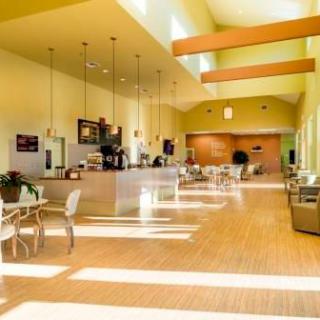
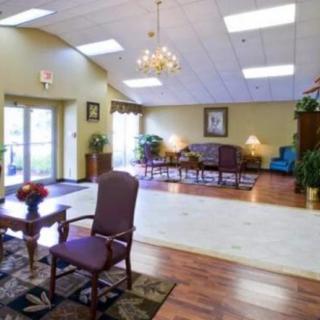
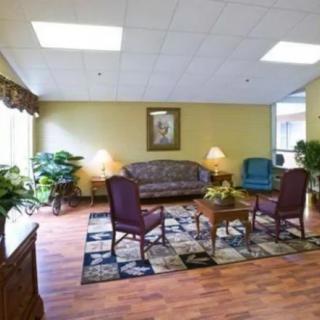
Heritage Healthcare - Hammond in Hammond, LA is an assisted living community that offers a wide range of amenities and care services to ensure the comfort and well-being of its residents. The community features a beauty salon where residents can pamper themselves, as well as a fully furnished dining room where they can enjoy restaurant-style meals. There is also a fitness room for those who want to stay active, a gaming room for entertainment, and a small library for quiet reading time.

Residents have access to community-operated transportation for errands and outings, as well as transportation arrangements for non-medical needs and doctors' appointments. They can also take advantage of the outdoor space and garden area to relax and enjoy nature. Wi-Fi/high-speed internet is available throughout the community for residents to stay connected with family and friends.

Care services provided include 24-hour supervision and assistance with activities of daily living such as bathing, dressing, and transfers. Medication management is offered to ensure residents receive their medications properly. The community also has a mental wellness program in place to support the emotional well-being of its residents.

Special dietary restrictions are accommodated in the dining options available at Heritage Healthcare - Hammond. Meal preparation and service are provided, including diabetes diets if needed.

The community offers various activities for residents' enjoyment, including planned day trips, fitness programs, resident-run activities, and scheduled daily activities. Concierge services are available to assist with any additional needs or requests.

There are several amenities conveniently located nearby, including cafes, pharmacies, physicians' offices, restaurants, transportation options, and places of worship. This ensures easy access to essential services and opportunities for social engagement within the surrounding neighborhood.

Overall, Heritage Healthcare - Hammond provides a comfortable and supportive environment where seniors can enjoy their retirement years while receiving personalized care and participating in engaging activities.

Nearby Places of Interest

Physicians

  • Urology Clinic (0.1 miles)
  • Celleri Rew, Kar Hammond Va Outpatient Clinic (0.2 miles)
  • North Oaks Family Medicine (0.3 miles)
  • Bond-Wroten Eye Clinic (0.3 miles)
  • Medical Arts Pediatric Clinic (0.4 miles)
  • Bone & Joint Clinic of Hammond (0.9 miles)
  • North Oaks Health System (1.1 miles)

Restaurants

  • China Palace (0.2 miles)
  • Don's Seafood & Steak House (0.4 miles)
  • Doughlicious Donuts (0.8 miles)
  • Zaxby's (0.8 miles)
  • Catfish Charlie Restaurant (0.9 miles)
  • Taco Bell (1 miles)
  • KFC (1.1 miles)

Transportation

  • Alamo (0.6 miles)
  • Wildlife Art Taxidermy (2.7 miles)

Places of Worship

  • Church of Jesus Christ of Latter Day Saints (0.7 miles)
  • Woodland Park Baptist Church (1.1 miles)
  • First Presbyterian Church (1.7 miles)
  • First Bethel Indpndnce Methodist Untd Prgrssve Cmmnty (2.2 miles)
  • Oak Tree Life Center (2.6 miles)
  • New Home Family Worship Center of Hammond (2.7 miles)
  • Calvary Christian Center (3.9 miles)

Pharmacies

  • Albertsons Pharmacy (0.9 miles)
  • Walgreens (1 miles)
  • Channell Drugs (1 miles)
  • CVS Pharmacy (1.1 miles)
  • Walgreens (1.7 miles)
  • Scott's Pharmacy (2 miles)
  • Southern Pharmaceutical (3 miles)

Cafes

  • Starbucks (1 miles)
  • Pj's Coffee (1.7 miles)
  • Yellow Bird Cafe (2 miles)
  • Java City (2.2 miles)
  • Rainbow Daiquiris & Gourmet (4.2 miles)
  • Hickory Small Animal Hospital (10.4 miles)

Parks

  • Joyce Wildlife Management Area (10.3 miles)

Frequently Asked Questions

Where is Heritage Healthcare - Hammond?
What photos are available for Heritage Healthcare - Hammond in Hammond, Louisiana?

Nearby Communities

Skilled Nursing Facility in Nearby Cities

Related Resources

  • what is home health careHome Health Care Demystified: A Comprehensive Guide for Families and Caregivers

    Home health care offers a range of clinical services provided in a patient's home, including nursing and therapy, tailored to individual needs, particularly for aging seniors with chronic conditions. This approach enhances patient independence, promotes better disease management, and utilizes technology for real-time monitoring while fostering collaboration among healthcare providers and family members.

  • uber for seniorsSeniors and Modern Transportation: Exploring Uber, Lyft, and Other Ride-Hailing Options

    Seniors benefit from ride-hailing services like Uber and Lyft, which provide convenient and accessible transportation options that promote independence and social engagement, while addressing mobility challenges. These platforms have adapted to meet senior needs with user-friendly features and safety measures, although costs can be a concern; community programs may help subsidize rides for older adults.

  • who qualifies for home health care servicesComprehensive Guide to Qualifying for Home Health Care Services
    The guide outlines the eligibility criteria for home health care services, emphasizing clinical requirements, insurance options, and application processes. It distinguishes between Medicare's strict and Medicaid's flexible qualifications while addressing challenges families may face in securing necessary care at home.