

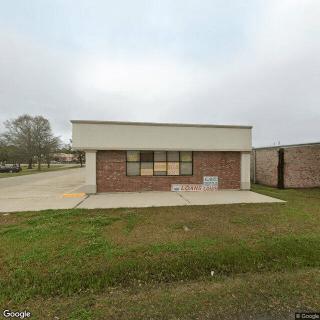
307 W Minnesota Park Rd Suite 2, Hammond, LA 70403
To contact a resident: (985) 345-3115
For more information about senior living options: (866) 208-4318
Overall Review of Home Instead - Hammond, LA
Pros
 The caregivers Madison, Marcy, and Mille are considered the best and are amazing.
- They assist the client’s father with getting out of bed, showering if needed, dressing, bringing coffee and breakfast, and light housekeeping.
- The service is marked by wonderful communication and outstanding performance.
- Claudette Netter is a great Client Care Coordinator who is always available.
- The level of compassion is unmatched, and the company maintains a strong, positive culture; the team goes above and beyond for clients.
- Catherine Radcliff is knowledgeable and eager to assist caregivers with the care of their loved ones.
- Home Instead is a caring organization that keeps families informed about the client’s well-being.
- Shay, Dee, CeeCee, and Brandi treated the client’s mother like family and made her feel cared for.
Review
Home Instead Hammond is best for families seeking reliable, compassionate in-home support that preserves independence and familiarity. The model shines when VA benefits are available to fund ongoing care, enabling a loved one to stay in their own home while receiving daily practical help. In practice, routines often include assistance getting out of bed, help with showers and dressing, delivering coffee and breakfast, and light housekeeping. The care teams cited, Madison, Marcy, and Mille, are repeatedly described as outstanding, bringing warmth, professionalism, and consistency. The impact is tangible: families report a substantial reduction in stress and a clearer path forward. This is not just care; it is a coordinated partnership that makes the daily life of a senior and their family more manageable.
Alternatives exist for different priorities. If 24/7 skilled nursing supervision, a campus with on-site medical staff, or a structured memory-care program is essential, then a traditional assisted living or a memory-care facility may be a better fit. For families without VA funding, the financial dynamics can shift, potentially narrowing feasibility. Those seeking a robust social calendar, predictable on-site activities, or more intensive medical oversight may prefer a facility setting. In short, the Hammond model excels at home-based, caregiver-led support, but it does not replicate a full-time healthcare team or a bustling resident community.
Strengths emerge in the people delivering care. Compassion and a sincere commitment to client well-being permeate daily interactions, creating a culture that feels more like family than a service. Families praise communication as outstanding, with the Client Care Coordinator, Claudette Netter, consistently accessible and engaged. The leadership team described by clients, Catherine Radcliff as a knowledgeable Home Care Consultant, strengthens confidence and clarity in care plans. This combination yields a dependable, proactive approach: caregivers go above and beyond, and families are kept informed in meaningful ways. Such alignment between staff, supervisors, and families is the hinge on which successful at-home care turns, transforming concern into confidence.
Real-world care underscores these strengths. When a mother was bed-bound for ten months, the team, including Shay, Dee, CeeCee, and Brandi, treated her with dignity and warmth, reinforcing the family sense of belonging. The care experience extends beyond tasks to daily life, shaping routines and providing a reassuring cadence of support. Families consistently report that they are kept in the loop about status and progress, reducing uncertainty and easing decision-making. The consistent thread across experiences is a genuine dedication to the work and a commitment to treating clients with respect and humanity, translating into less burden for the whole family and greater stability for the senior.
Trade-offs exist, but the positives drive the decision. The strongest upside remains the human-centered care: reliable caregivers, attentive coordination, and transparent communication. A central care coordinator helps maintain continuity even when shifts rotate, which mitigates one of the perennial risks of in-home services. The VA benefits pathway is not a minor detail; it materially shapes care feasibility and reduces family stress. For clients whose needs are escalating or who crave formal daily activities and on-site medical oversight, this model may feel insufficient. Yet for seniors who value staying in a familiar home and facing fewer major medical interventions, the balance of independence, dignity, and steady support often wins out over a campus-based option.
Bottom line: this community is a strong fit for families prioritizing a home-based, family-like caregiving experience with excellent communication and caregiver dedication, especially where VA funding is involved. It’s less suitable for those who require constant on-site medical care, or who want a structured, campus environment with intensive social programming. Prospective families should meet the care team, review a concrete care plan, and confirm continuity guarantees before committing. Observe caregiver introductions, inquire about rotation policies, and clarify how status updates will flow to relatives. When values align, compassion, accessibility, and a hands-on partnership, the Hammond Home Instead model delivers a practical, dependable path to keeping a loved one safely at home with dignity and significant relief for the family.





 Caring for Those Who Care: Recognizing, Understanding, and Overcoming Caregiver Burnout
 Caregiver Exhaustion: Recognizing the Signs and Restoring Your Well-Being
 Understanding Hospice Care at Home: Comprehensive Services, Key Benefits, and Eligibility