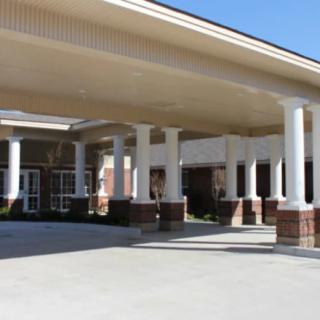

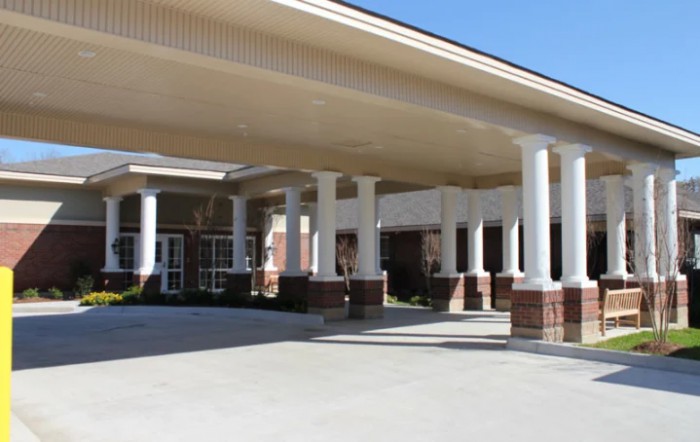
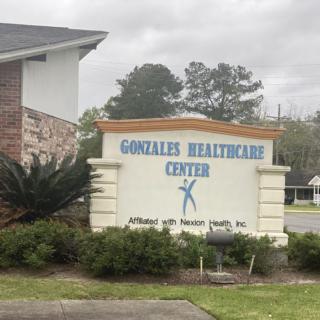
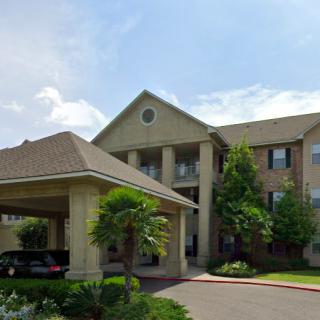
711 West Cornerview Road, Gonzales, LA 70737
For more information about senior living options: (866) 208-4318
Overall Review of Ascension Oaks Nursing & Rehabilitation Center
Pros
 Everyone there was extremely friendly and helpful, and they took excellent care of the residents while recuperating.
- The staff are all very nice and are very good to the residents.
- They always have fun activities for the residents to do and participate in.
- Great place to live.
- Mom has been very happy there, and she’s made good friends and keeps busy.
- The staff are great.
Cons
 They describe the place as a joke, saying nurses ignore residents and talk to them with attitudes.
- They would not recommend placing their parents or grandparents in this nursing home.
- They report neglect and a lack of supervised staff, poor food, and mistreatment of residents.
- They say CNAs are uncaring, often sitting on their phones or outside smoking instead of helping residents.
- They claim the facility is dirty, with broken equipment, traumatizing showers, and a lack of trained memory-care staff.
- They recount unsanitary conditions that led to dehydration and a bacterial infection, leaving their mother bedbound.
- They recount an incident where an aide cut their uncle's leg with a fingernail, resulting in infection.
- They state the staff is short-staffed and the facility is not clean, calling for upper management to change.
Review
Ascension Oaks Nursing & Rehabilitation Center in Gonzales is best suited for families that value an affordable option with social opportunities and are prepared to actively supervise and advocate for a relative with moderate care needs. The community can deliver moments of genuine warmth, as several residents and families praise friendly staff, meaningful activities, and smoother rehabilitation experiences when staff attention is present. In those instances, residents appear engaged, social, and connected to programs that keep them occupied and comfortable. The facility’s appeal rests largely on its ability to provide a livable, less-costly setting where residents can participate in events and receive basic support without immediately entering a higher-cost, more tightly monitored environment.
However, that potential is offset by a sustained pattern of serious concerns that make this community a risky choice for certain families. A sizeable portion of reviews allege neglect, rough handling, and dismissive attitudes from staff, with reports of unsanitary conditions, dirty rooms, and broken or poorly maintained equipment. Several accounts describe abrupt or insufficient supervision, leading to falls or near-misses that were not promptly communicated to families. When memory care or high-medical-need supervision is required, the lack of consistently trained staff and reliable 24/7 oversight becomes a decisive drawback. For families who cannot tolerate inconsistent care or who demand predictable, high-integrity operations, alternatives deserve serious consideration.
The strongest positives, when staff are attentive, compassionate, and available, do not consistently offset the heavier cons. The most compelling counterpoint is a consistently engaged care team, which can transform a difficult rehab stay into a meaningful recovery. Yet the recurrence of reports about rude interactions, staff distracted by phones, and a disregard for basic sanitary standards undermines trust. The contrast between occasional patient-centered moments and frequent complaints about neglect or unsafe conditions creates a volatile risk profile: short-term improvements may occur, but persistent gaps in safety and quality remain a persistent concern.
Prospective residents can mitigate risk by approaching tours with a rigorous checklist. Observe staffing levels across shifts and note response times to call lights; inspect common areas and patient rooms for cleanliness and maintenance habits; ask for recent incident logs, fall reports, and discharge summaries to gauge transparency. Inquire specifically about memory care capabilities and whether trained memory-support staff are on site, and request conversations with current residents or family representatives on multiple days and times. Probe how the administration handles complaints, how often caregivers are trained, and what corrective actions follow reported deficiencies.
The decision hinges on risk tolerance and care expectations. If the priority is a consistently clean, well-staffed environment with reliable communication and robust supervision, especially for memory care or higher-acuity needs, alternative communities are a safer bet. For families willing to advocate vigorously, and for residents who value an active social life and can benefit from an affordable option, Ascension Oaks may still offer workable promise, provided clear, ongoing oversight and explicit performance expectations are established. The judgment favors caution: this community can deliver quality experiences in the right circumstances, but the odds of encountering serious care lapses are nontrivial. Proceed only after a rigorous, in-depth evaluation and candid conversations with leadership and frontline staff.
 102 resident community capacity
 Skilled Nursing Facility
 Air-conditioning
 Beauty salon
 Cable or satellite TV
 Computer center
 Dining room
 Fitness room
 Fully furnished
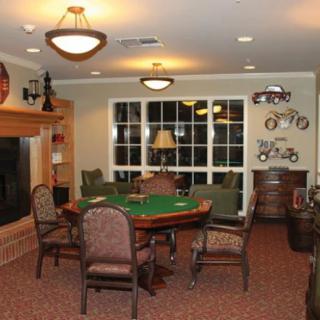
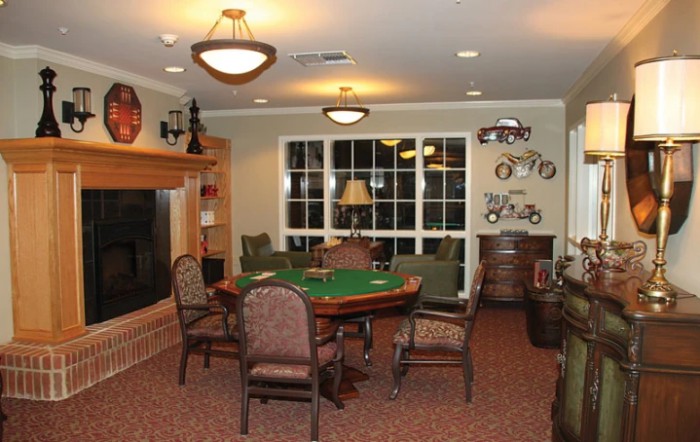
 Gaming room
 Garden
 Housekeeping services
 Kitchenette
 Move-in coordination
 Outdoor space
 Private bathrooms
 Restaurant-style dining
 Small library
 Telephone
 Wellness center
 Wi-Fi/high-speed internet available
 Baton Rouge Metropolitan (25 miles away)
 Community operated transportation
 12-16 hour nursing
 24-hour call system
 Activities of daily living assistance
 Assistance with bathing
 Assistance with dressing
 Assistance with transfers
 Diabetes diet
 Medication management
 Mental wellness program
 Special dietary restrictions
 Concierge services
 Planned day trips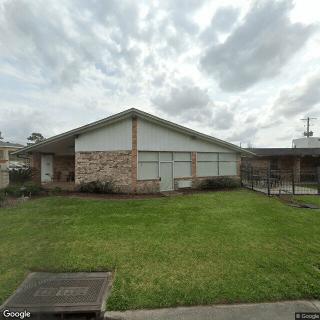




 Home Health Care Aides: Understanding Their Role and Supporting Your Family
 Urinary Tract Infections in Older Adults: Comprehensive Insights on Symptoms, Treatment, and Prevention
 California's Form 602A: An In-Depth Examination of Senior Care Assessment