
606 Latiolais Road, Breaux Bridge, LA 70517
For more information about senior living options: (866) 208-4318
Overall Review of St Agnes Healthcare And Rehab Center
Pros
 His stay there was excellent.
- The room was well-kept.
- The care was good.
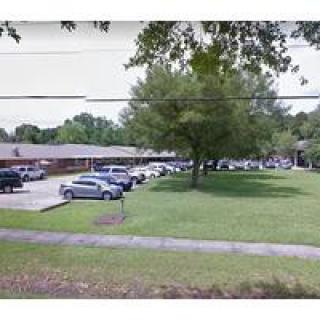
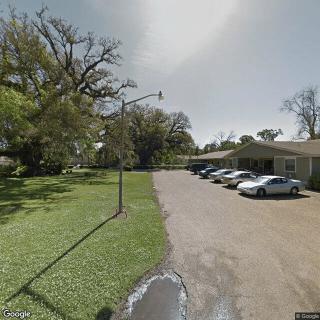
- The grounds were beautiful.
- The yard was well-kept.
- There are great staff members on the Alzheimer’s Ward.
Cons
 They claim the facility ignored the father's pneumonia and illnesses.
- They say the father's legs were dying and ignored.
- They state the hospital said St. Agnes was at fault.
- They claim the father needed leg amputation but couldn't because he was dying.
- They report his organs were shutting down and he couldn't breathe.
- They claim his beard was shaved off without his consent.
- They say he was malnourished and unable to feed himself.
- They report the father died a week after admission, in hospice care.
- They allege the administration is not interested in finding solutions and is very argumentative.
- They describe a CNA in the Alzheimer's ward with her head down and on her phone.
- They say cell phones should stay in the locker and not be used on duty.
Review
St Agnes Healthcare and Rehab Center in Breaux Bridge is best suited for seniors who are largely independent and can manage most activities of daily living with limited assistance. The most reliable value comes from residents who can self-direct basic tasks while enjoying a pleasant, home-like environment. Rooms are described as well-kept and the grounds as attractive, with visitors noting a calming, welcoming atmosphere. This is not a facility built for heavy medical oversight or complex care needs; its strongest appeal sits with those who require decent daily care but not constant, high-intensity medical intervention. For families prioritizing serenity and modest, predictable support, it can be a workable choice.
Explicitly, those who should consider alternatives include residents who cannot do for themselves and depend on steady, proactive medical management. The reviews raise persistent concerns about safety and responsiveness when health deteriorates, such as pneumonia or malnutrition, with accompanying calls to action that leadership fails to adequately address. Administrators are described as defensive and accusatory rather than collaborative, making it difficult to craft and sustain a shared care plan. For memory care or behavioral needs, there are warnings that attentiveness is inconsistent, and for families seeking a consistently responsive governance structure, the case for alternatives strengthens considerably.
Pros clearly exist and can offset some downsides when matched with the right resident profile. The facility’s environment, clean rooms and well-tended grounds, consistently earns praise, and basic care routines hold up in periods of stable staffing. A few caregivers on the Alzheimer's ward are highlighted as capable and caring, suggesting that skilled staff can provide meaningful quality of life. For families willing to act as active advocates, visiting regularly, coordinating with nursing staff, and tracking progress, these positives can translate into a reasonably comfortable daily experience. In short, independence plus a pleasant setting creates a solid baseline.
Yet the most serious cons are substantial. There are accounts of medical neglect tied to pneumonia and malnutrition, with a patient allegedly dying after transfer to hospice and hospital reports that fault the facility. Additional grievances include a lack of consent-based personal care, such as beard shaving, and a broader impression that administrative leadership fails to listen or respond effectively to concerns. A pattern of defensive communication and limited collaborative planning weakens trust and raises the stakes for vulnerable residents. These red flags cannot be dismissed lightly, especially for those with significant medical or nutritional risk factors.
Staff engagement appears uneven, and that inconsistency matters. One reviewer points to a CNA spending time on a cell phone rather than attending to residents, signaling distractions that compromise day-to-day care. The call to supervise daily or near-daily oversight by family members underscores a care model that relies heavily on outside input rather than internal reliability. While some CNAs in dementia care are praised for their dedication, the variability means outcomes hinge on who is on shift. For families evaluating a memory-care path, this mix of capable individuals and disjointed performance represents a meaningful risk if consistent, dependable care is non-negotiable.
Decision guidance: approach this facility with a concrete plan. Schedule meetings with the administrator and the Director of Nursing, request to review current staffing rosters, and observe a shift to gauge attentiveness and responsiveness. Talk to current residents and their families about response times, clarity of communication, and how care plans are created and updated. Review state inspection summaries and verify that care transitions and incident responses are documented and followed. Given the breadth of strong environment elements paired with significant safety and leadership concerns, St Agnes is not a universal solution. It can work for independent or lightly assisted residents where proactive family involvement is feasible, but for those needing dependable medical oversight and consistent leadership, stronger options will deliver far greater peace of mind.
 128 resident community capacity
 Skilled Nursing Facility
 Air-conditioning
 Beauty salon
 Cable or satellite TV
 Computer center
 Dining room
 Fitness room
 Fully furnished
 Gaming room
 Garden
 Housekeeping services
 Kitchenette
 Move-in coordination
 Outdoor space
 Private bathrooms
 Restaurant-style dining
 Small library
 Telephone
 Wellness center
 Wi-Fi/high-speed internet available
 Lafayette Regional (8 miles away)
 Community operated transportation
 12-16 hour nursing
 24-hour call system
 Activities of daily living assistance
 Assistance with bathing
 Assistance with dressing
 Assistance with transfers
 Diabetes diet
 Medication management
 Mental wellness program
 Special dietary restrictions
 Concierge services
 Planned day trips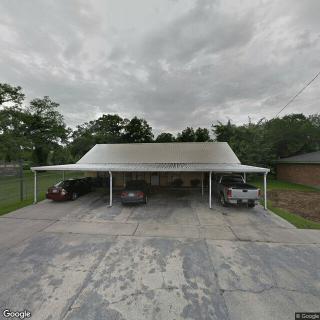





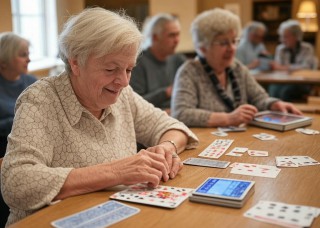 Effective Strategies for Keeping Seniors' Minds Active: A Deep Dive into Brain Games and Apps
 In-Depth Look at the VA Aid and Attendance Program
 Nurturing Our Loved Ones: A Daughter's Journey in Caring for Her Mother