5550 Thomas Road, Baton Rouge, LA 70811
For more information about senior living options: (866) 208-4318
Baton Rouge Health Care Center Costs & Pricing
At Baton Rouge Health Care Center, the monthly costs for private rooms range from $2,800 to $6,165, showcasing a competitive pricing structure compared to the broader East Baton Rouge Parish and the state of Louisiana. In East Baton Rouge Parish, the average cost for similar accommodations is around $4,435, while the state average stands at $4,521. This suggests that Baton Rouge Health Care Center offers a flexible pricing model that may appeal to a variety of budgets while maintaining quality care. Overall, these figures reflect a commitment to accessible healthcare in the region, making it an attractive option for those seeking specialized services.
| Floor plans | Baton Rouge Health Care Center | East Baton Rouge Parish | Louisiana |
|---|---|---|---|
| Private | $2,800 to $6,165 | $4,435 | $4,521 |
Overall Review of Baton Rouge Health Care Center
Pros
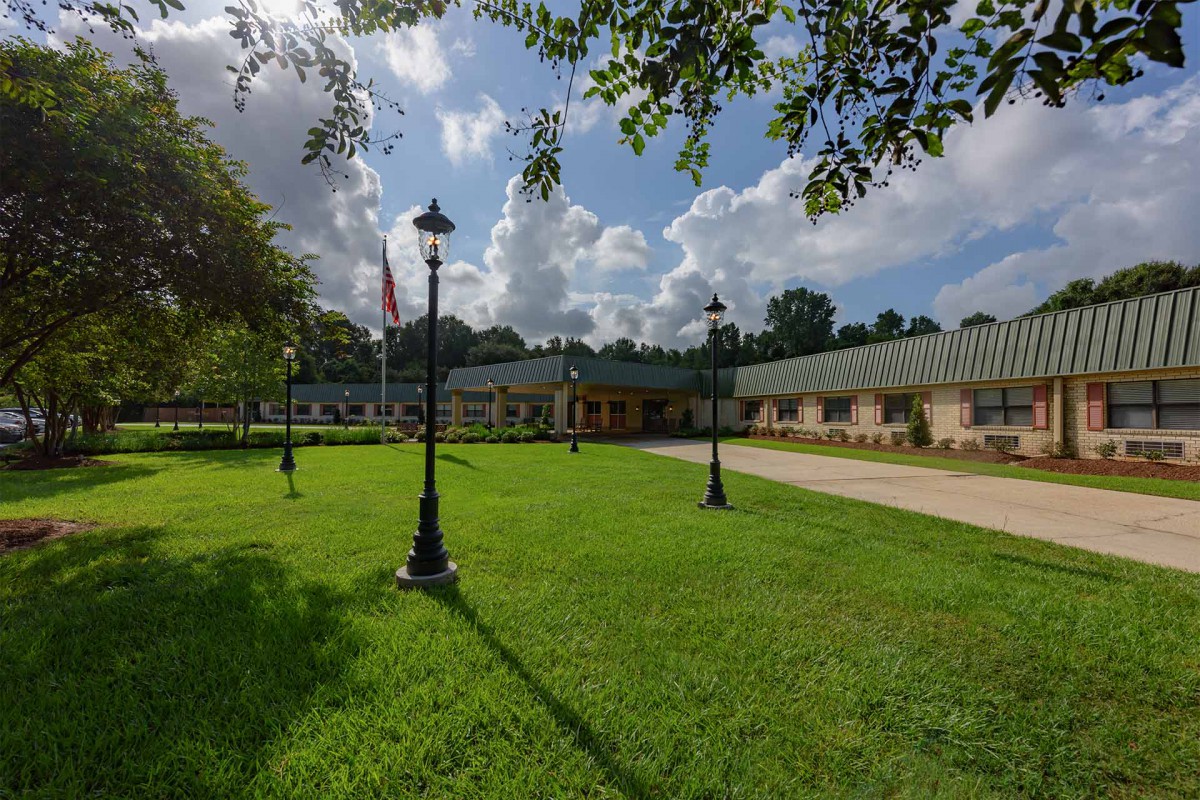
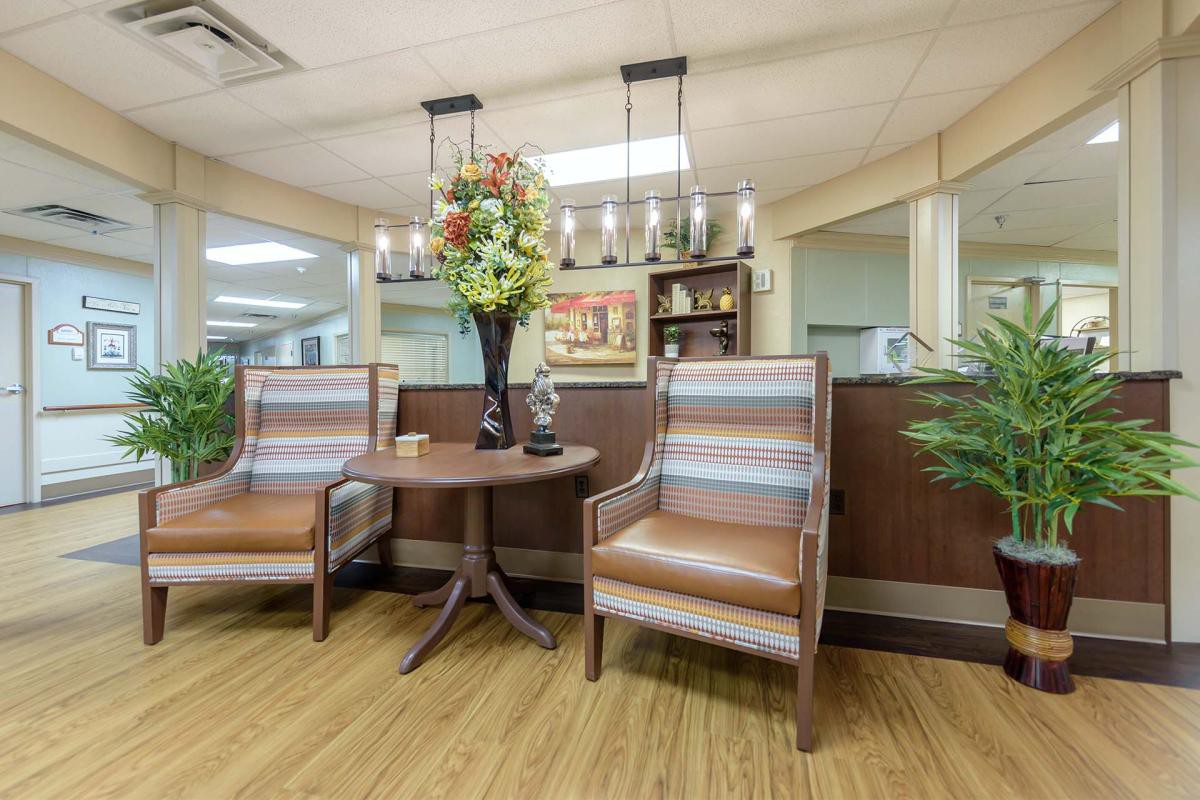
 The facility is well-kept.
- The food is reasonably good.
- Most of the staff are friendly and helpful.
- The staff consistently behaved professionally and helped her recover.
- The account manager interactions were pleasant and informative.
- The facility is recommended.
- The medical care is among the best the patient has ever received.
- The staff are kind, patient, understanding, respectful, and knowledgeable.
- They will do whatever they can to ensure the best care.
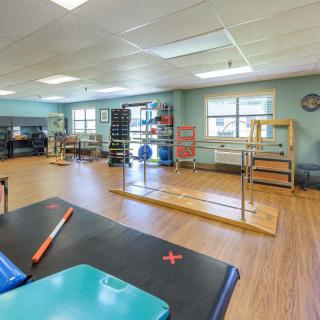
- The PT and OT therapists are exceptionally skilled.
- The administration is warm and welcoming.
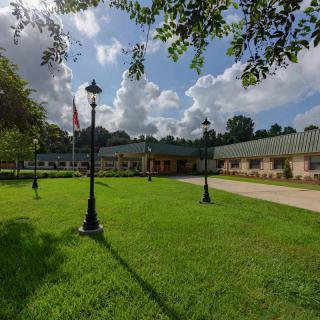
- The facility is beautiful.
- The staffing is exceptional.
- The stay was enjoyable and the patient was improving daily.
- Each staff member contributed to a joyful recovery.
Cons
 The staff were very unprofessional and lacked basic knowledge of patient care.
- They did not perform their duties unless a family member was present.
- The staff were extremely lazy and negligent.
- The facility neglected the patient, leading to a deteriorating condition and a severe UTI.
- The nursing home was horrible and did not deserve even one star.
- They did not provide needed therapies and the facility was not clean, showing a clear lack of care.
Review
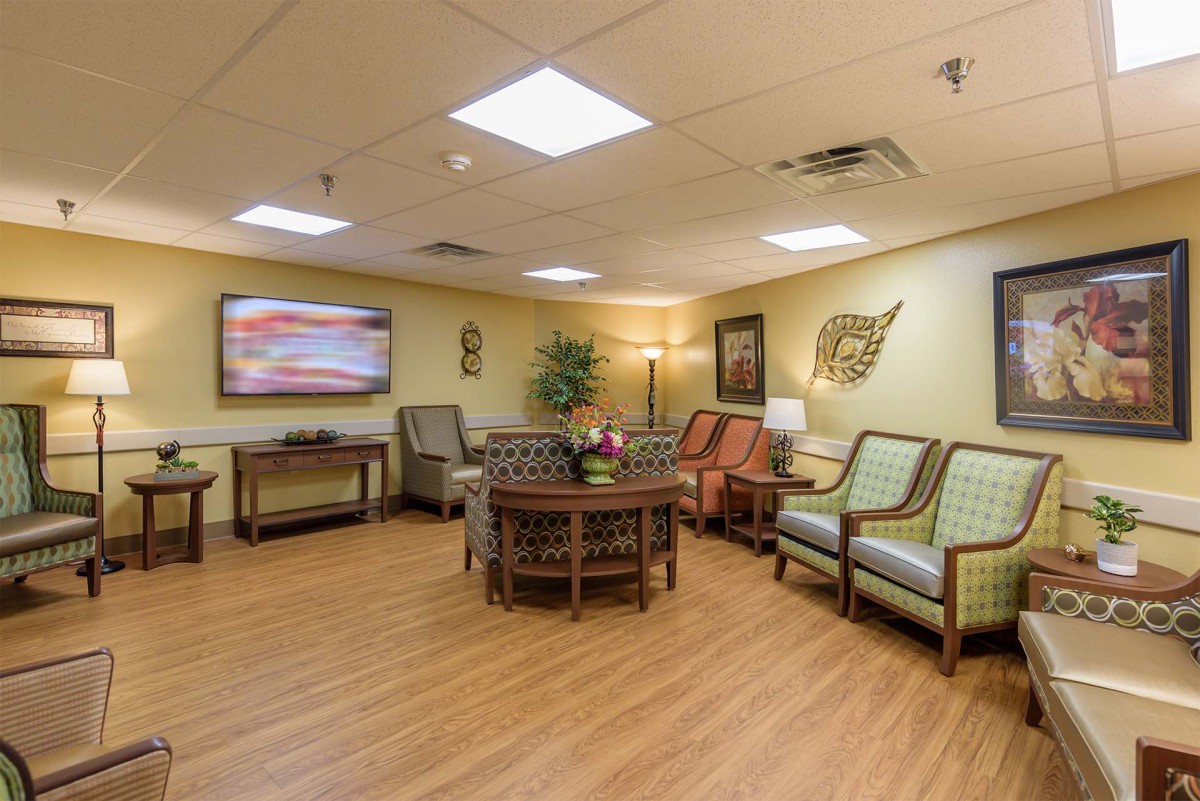
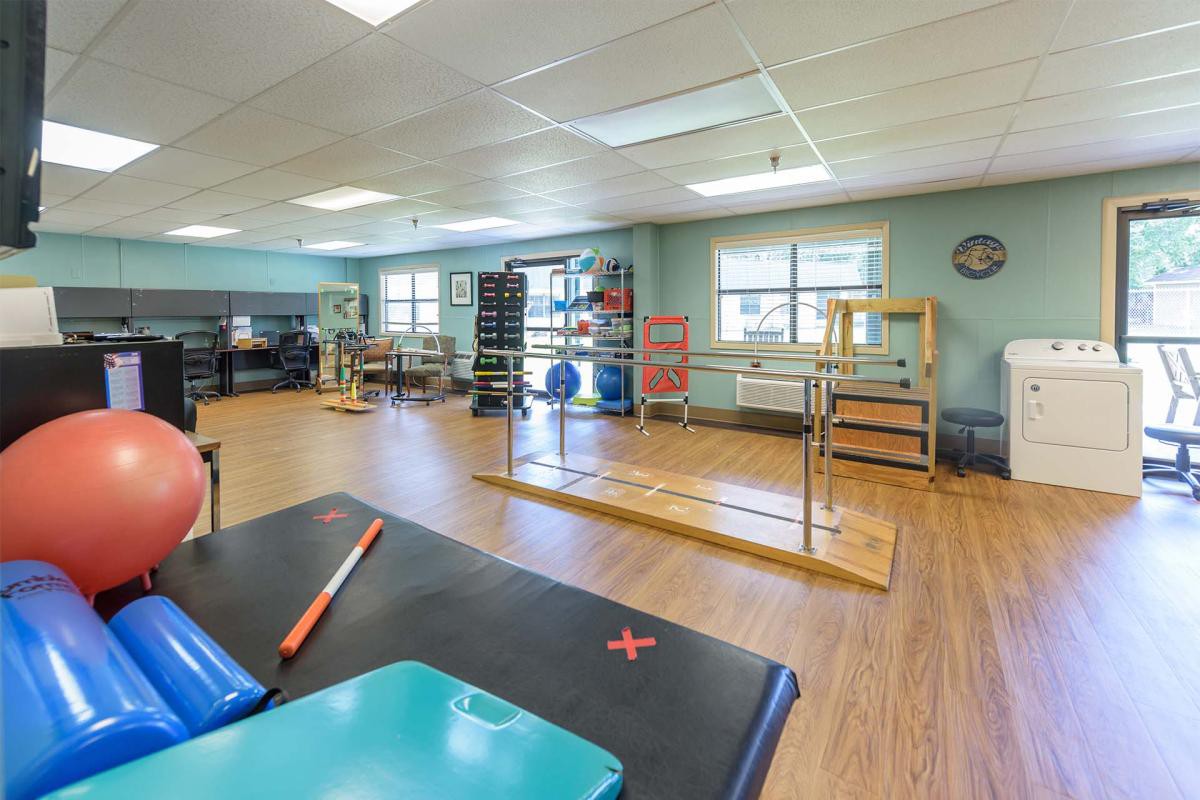
Baton Rouge Health Care Center is best suited for families pursuing short-term, post-acute rehabilitation in a clean, professionally run setting where skilled therapy can drive meaningful mobility gains. The standout asset is the rehabilitation program: several residents describe exceptional PT and OT that helped them move from limited function to walking with assistive devices or even a cane. The facility itself is noted as well-kept, with a pleasant, welcoming atmosphere and administration that communicates clearly. For families prioritizing a hopeful recovery trajectory, a bright, orderly environment, and a staff that can deliver focused rehabilitation, this center offers a compelling option.
This is not a one-size-fits-all choice. Alternatives should be considered by families that must minimize risk of inconsistent care or who have seen warning signs in staffing patterns. The reviews reveal a troubling split: some families report highly negative experiences with unprofessional or inattentive staff, neglect concerns, and even situations where a loved one deteriorated markedly during a short stay. Instances of poor cleanliness, missed therapies, and delays in hospital transfers are cited by several reviewers, including reports of transfers on a stretcher and “altered state” outcomes. When there is persistent concern about staff reliability or the possibility of serious lapses, other facilities with more consistently documented staffing stability and oversight warrant serious consideration.
On balance, the strongest positive threads, remarkable rehab outcomes, warmth from the administration, and a facility that feels inviting, can offset some concerns if the trajectory is short-term and closely monitored. The most persuasive testimonials come from people who saw real functional gains through dedicated PT/OT teams, and who appreciated the administrative ease and attention to individualized care. The combination of a clean, aesthetically pleasing setting and a therapy-forward approach creates a recovery atmosphere that many families want: reassurance that progress is possible, guided by professionals who know how to structure a rehab plan. When those conditions align, Baton Rouge Health Care Center can deliver outcomes that families rely on during a vulnerable transition.
Yet the other side of the ledger cannot be ignored. A number of reviews portray care that falls short of expectations, claims of laziness, lack of knowledge about basic caregiving, and even neglect that had serious consequences for the resident. Reports of poor cleanliness, a lack of timely therapy, and the perception that staff were not fully engaged with patient needs weigh heavily. The variability suggested by the mix of five-star experiences and one-star condemnations implies that quality is highly contingent on the day-to-day staff on duty and the degree of family involvement. For a family unable to be on site daily, these inconsistencies become even more consequential.
To navigate decisions effectively, families should demand specifics during tours and conversations. Ask for the latest staffing ratios, including how many therapists are assigned per patient and how continuously that team remains stable. Request a detailed rehabilitation plan for the prospective resident, with defined milestones and expected timelines for progress. Inquire about cleanliness audits, incident reporting, and how emergencies or deteriorations are escalated to hospital systems. Seek evidence of consistent administrative follow-through, appointments kept, care plans updated, and clear communication with families. If a trial period or short stay is possible, use it to observe daily care rhythms, responsiveness, and the ability of staff to implement a structured therapy regimen.
Ultimately, Baton Rouge Health Care Center represents a compelling option for short-term rehab when the care team is cohesive, the therapy program is robust, and the environment supports recovery. It is a strong fit for families who can actively engage, ask pointed questions, and insist on a disciplined, goal-oriented rehab plan. However, for families prioritizing unwavering consistency in every shift, or for those who cannot tolerate the risk of signaled lapses in care, it is prudent to compare alternatives with steadier track records and clearer accountability. The decision hinges on comfort with variability and the family’s capacity to supervise care closely; in the right circumstances, this center can be a decisive step back toward independence, but caution and due diligence are essential.
 145 resident community capacity
 Memory Care
 Skilled Nursing Facility
 Air-conditioning
 Beauty salon
 Cable or satellite TV
 Computer center
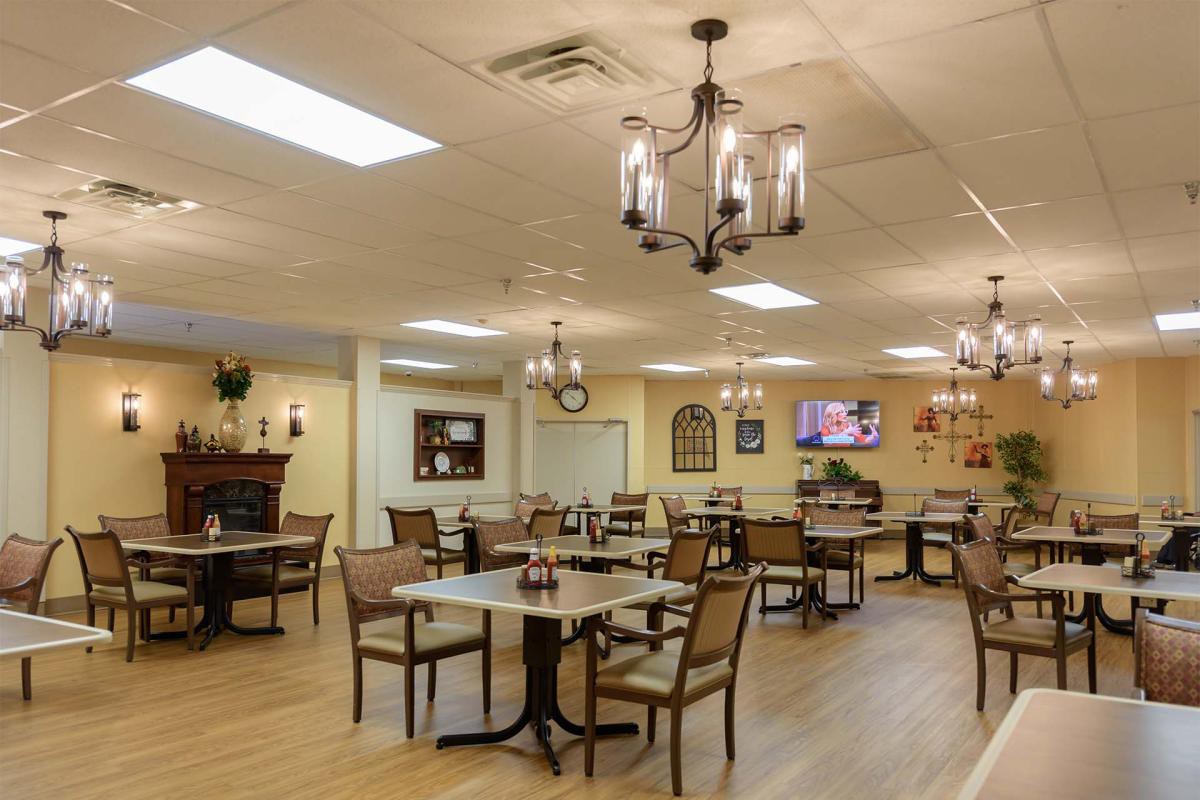
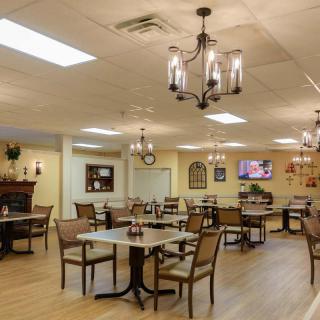
 Dining room
 Fitness room
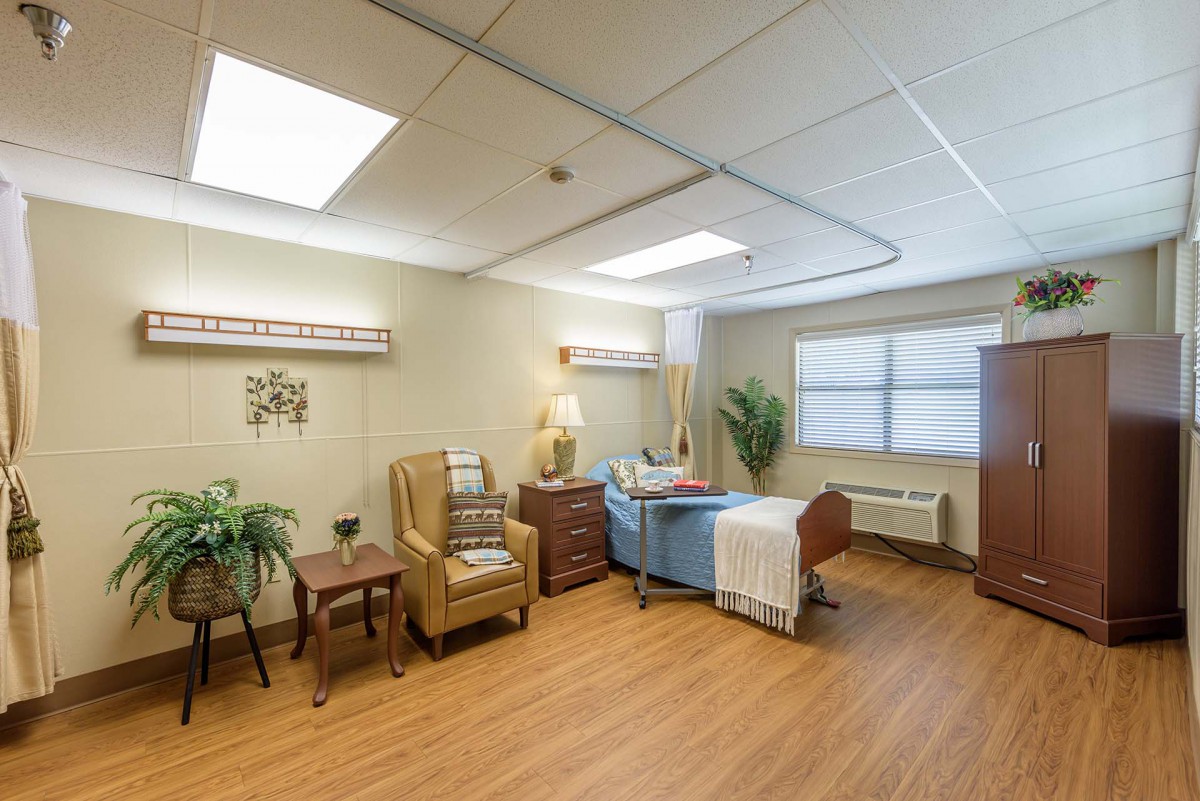
 Fully furnished
 Gaming room
 Garden
 Housekeeping services
 Kitchenette
 Move-in coordination
 Outdoor space
 Private
 Private bathrooms
 Restaurant-style dining
 Small library
 Telephone
 Wellness center
 Wi-Fi/high-speed internet available
 Baton Rouge Metropolitan (2 miles away)
 Community operated transportation
 12-16 hour nursing
 24-hour call system
 Activities of daily living assistance
 Assistance with bathing
 Assistance with dressing
 Assistance with transfers
 Diabetes diet
 Medication management
 Mental wellness program
 Special dietary restrictions
 Concierge services
 Planned day trips



 Delirium and Dementia: Unraveling the Key Differences
 Are Dementia and Alzheimer's Disease Lethal? A Comprehensive Exploration
 Exploring the Power of Reminiscence Therapy for Individuals With Dementia