
509 North Carrier Street, Morganfield, KY 42437
For more information about senior living options: (866) 208-4318
Overall Review of Morganfield Nursing And Rehabilitation Center
Pros
 The therapy department is described as the best and highly recommended.
- The nurses are great.
- Heather is outstanding and goes above and beyond to ensure the best care.
- The facility delivers the best experience and care.
- The staff are very attentive, with Cassie, Hope, Sara, and Tammy noted as exceptional.
- The housekeeping staff are very professional.
- The staff and residents feel like a second family.
- The facility is recommended to others seeking care near Union County.
Cons
 They hate it there since the new administrator arrived, saying it now feels like a detention center.
- They reported that the facility began using agency personnel, and that these staff ignore patients and shrug off requests.
- They criticized the rehabilitation equipment, noting there is only one bicycle machine and no pull-up apparatus or other equipment to strengthen the legs.
- They warned not to bring a loved one there if recovery is expected, saying the place is very bad.
- They described it as the worst place ever, with perhaps only one staff member who cares.
Review
Morganfield Nursing and Rehabilitation Center is best suited for families seeking aggressive, outcomes-driven post-acute rehab paired with steady nursing support in Morganfield, KY. The facility appears to excel for residents needing intensive therapy to regain mobility after fractures or neurological events, with multiple accounts of patients walking again and gaining use of limbs through dedicated therapy. Long-term residents who value a sense of community and continuity also find fit here, as several former residents describe the staff and residents as forming a close-knit, family-like environment. In short, this community is a strong choice for a recovery-focused path back home, rather than a purely custodial setting.
The strongest positives center on the rehabilitation program and the caregiving staff. Reviewers routinely praised the therapy department as a standout, with therapists delivering results that families view as transformative. Nursing staff receives consistently favorable remarks for attentiveness, reliability, and hands-on care, and several named team members are singled out for going above and beyond. The testimony about Heather, cited repeatedly as extraordinary in arranging admissions and coordinating care, signals a level of advocacy and responsiveness that can make a meaningful difference during a difficult transition. These elements combine to create an environment where rehabilitation progress can be sustained even amidst other challenges.
However, the experience is not without notable drawbacks that potential residents and families should weigh carefully. A recurring concern is administrative volatility and the perception of a more impersonal, even restrictive atmosphere under a newer leadership. One review explicitly described the vibe as a detention center, signaling that mood and culture can swing with management changes. Coupled with that are concerns about staffing consistency and the use of agency personnel, including worries about responsiveness and engagement with families. When agency staff predominate, gaps in communication and continuity of care can arise, eroding the otherwise solid foundation in therapy and nursing.
Equipment and resource gaps form the other meaningful set of cons. Several critics point to limited rehabilitation equipment beyond a single bicycle machine and a lack of aids for residents who need to pull up or strengthen their legs in bed. Such constraints can hinder progress for residents who require a broader range of tools to support mobility training and functional restoration. Compounding this are practical frustrations involving outside pharmacy logistics and prescription refills, where delays and access issues have been reported. Taken together, these factors suggest that recovery velocity may be uneven and heavily dependent on existing staff contact and the administration’s provisioning.
The core strengths can offset several of the drawbacks when the priority is clear: a goal-oriented rehab trajectory and consistently engaged nursing care. For families prioritizing rapid mobility gains and a caregiving team that is willing to mobilize aggressively around a therapy plan, Morganfield offers a compelling engine for change. The experiences of residents who formed lasting bonds with staff and who recall a “second family” atmosphere indicate that, when operations align, the community delivers genuine value beyond basic custodial care. Yet the offset is not automatic; the same reviews warn that organizational instability and equipment shortcomings can blunt the rehabilitation edge if not actively addressed.
For families choosing between Morganfield and alternatives, the decision hinges on three questions: Is the emphasis on high-intensity rehabilitation worth navigating potential administrative flux and staffing variability? Are the available therapy resources and equipment sufficient to support the specific recovery goals at hand? How important is a stable, consistently responsive administrative presence to the care plan and daily experience? If the answer leans toward “yes” to the rehab focus with tolerance for some organizational growing pains, Morganfield stands out as a practical, capable option. If stability, robust equipment, and immaculate consistency in administration are non-negotiable, it may be prudent to explore other nearby options with longer track records of seamless operations and broader therapy inventories.
In the end, Morganfield Nursing and Rehabilitation Center earns its reputation through real outcomes and genuine caregiver dedication, even as it wrestles with management transitions and resource limits. Prospective families should engage directly on the specifics: current therapy staffing levels, the exact equipment inventory, steps taken to stabilize administration, and realistic timelines for prescription processing. A candid discussion with the therapy director and the current administrator will illuminate whether the current trajectory aligns with the resident’s recovery plan and family expectations. If those elements line up, Morganfield can be a dependable partner in a successful transition back toward home life.
 60 resident community capacity
 Skilled Nursing Facility
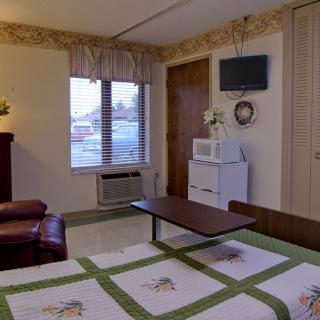
 Air-conditioning
 Beauty salon
 Cable or satellite TV
 Computer center
 Dining room
 Fitness room
 Fully furnished
 Gaming room
 Garden
 Housekeeping services
 Kitchenette
 Move-in coordination
 Outdoor space
 Private bathrooms
 Restaurant-style dining
 Small library
 Telephone
 Wellness center
 Wi-Fi/high-speed internet available
 Community operated transportation
 12-16 hour nursing
 24-hour call system
 Activities of daily living assistance
 Assistance with bathing
 Assistance with dressing
 Assistance with transfers
 Diabetes diet
 Medication management
 Mental wellness program
 Special dietary restrictions
 Concierge services
 Planned day trips




 Fecal Incontinence in Older Adults: A Comprehensive Guide
 Recognizing the Journey: Understanding and Navigating Anticipatory Grief
 Encouraging Participation in Adult Day Care: A Guide to Supporting a Hesitant Parent