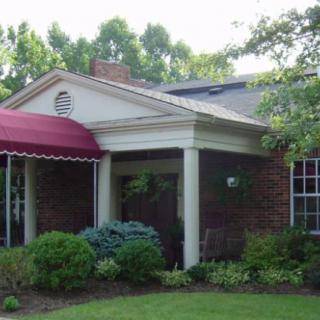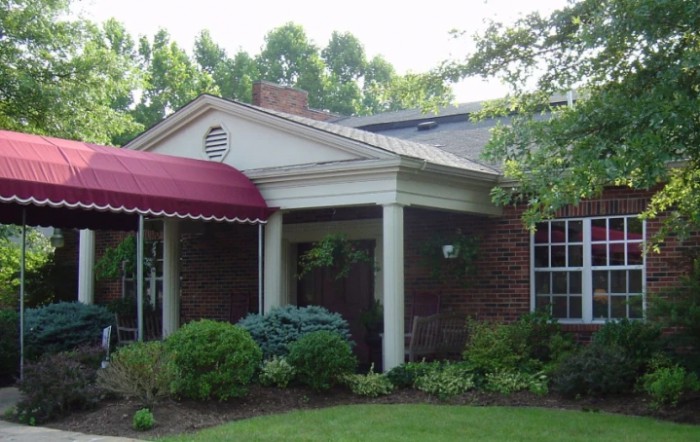
270 East Clayton Lane, Louisa, KY 41230
For more information about senior living options: (866) 208-4318
Overall Review of The Jordan Center
Pros
 The staff was awesome.
- They treated residents very well.
Cons
 The nursing home left a dirty feeding tube in Elsie, and it killed her.
- A lawsuit was filed against the facility and won, but it did not bring back the mother’s life.
- The reviewer wants the staff to be imprisoned for life.
- The reviewer warns others not to place their parents in Jordan Center, as they will not be cared for.
Review
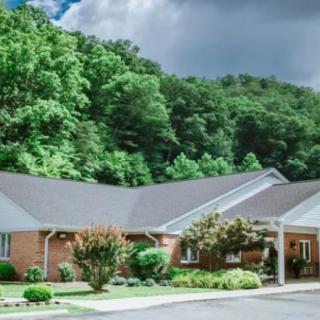
The Jordan Center in Louisa, KY is best suited for families seeking a small-town atmosphere where daily care feels personal and staff interactions are approachable. The community appears to work best for residents who need light to moderate assistance and who respond well to direct, friendly attention from caregivers. It is less suited for those with significant medical complexity or conditions requiring stringent safety protocols and highly professional risk management. Families with very high safety expectations or those needing strong, consistent clinical oversight should look at options with clearer, proven track records in incident prevention and regulatory accountability.
Those who may want to consider alternatives are precisely the families confronting stronger safety concerns or higher acuity needs. If a memory care or skilled-nursing focus with deep clinical oversight is non-negotiable, other facilities in the region with documented safety histories and stricter quality assurance practices should be pursued. Prospective residents and their families should also scrutinize state inspection results, licensure histories, and how adverse events are managed. With only a small number of reviews available, the balance of evidence warrants cautious comparison against similarly situated communities before committing.
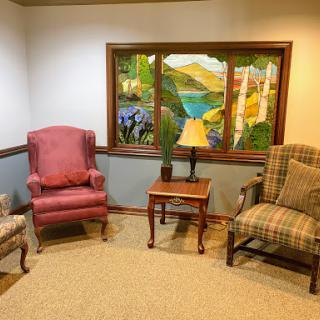
On the upside, several reviewers credit The Jordan Center with palpable warmth from staff. One account notes that the staff were “awesome,” and another describes a period of two months during which treatment traveled in a positive direction. These anecdotes point to a tangible, compassionate culture in day-to-day care and a facility environment that can feel comfortable and welcoming for residents who rely on routine assistance and responsive aides. Such experiences can translate into better mood, less anxiety, and a higher perceived quality of life for residents whose needs are not extreme.
Yet the most serious concern raised in the feedback cannot be overlooked. A reviewer alleges a fatal lapse tied to a feeding tube, resulting in a lawsuit and a demand for accountability. That allegation, whether viewed as isolated or indicative of broader practice gaps, raises fundamental questions about resident safety, clinical supervision, and the facility’s capacity to prevent avoidable harm. While not every resident will encounter comparable risks, this warning flag must be weighed heavily against any potential upside in daily care quality. The presence of harsh, outcome-focused feedback suggests a potential inconsistency in protocols and supervision that families cannot ignore.
For families evaluating care, several practical steps are essential. Begin with a candid tour focused on cleanliness, staffing presence during peak hours, and how medications and medical devices are managed. Ask for staff-to-resident ratios, nurse on duty hours, and the roster of clinicians overseeing care plans. Request to review the facility’s incident-reporting process, any corrective-action plans, and evidence of ongoing staff training in safety and infection control. Check state inspection findings and ask how adverse events are communicated to families. Speak with current residents and family members, and consider a short-term stay or trial period to observe for yourself how alarms, response times, and daily routines are managed.
Ultimately, The Jordan Center can be a strong fit for families prioritizing a warm, person-centered approach within a modest setting, where day-to-day interactions with attentive staff feel genuine and encouraging. However, the severity of the safety concern raised in one review means that safety-conscious families or those with higher care needs should not accept a best-guess assessment. If reliability, rigorous oversight, and a consistently safe care environment are non-negotiable, it is prudent to compare other local options with clearer safety records and documented quality-control practices. Careful due diligence is essential to determine whether this community can meet the particular balance of comfort and safety sought for a loved one.
 104 resident community capacity
 Skilled Nursing Facility
 Air-conditioning
 Beauty salon
 Cable or satellite TV
 Computer center
 Dining room
 Fitness room
 Fully furnished
 Gaming room
 Garden
 Housekeeping services
 Kitchenette
 Move-in coordination
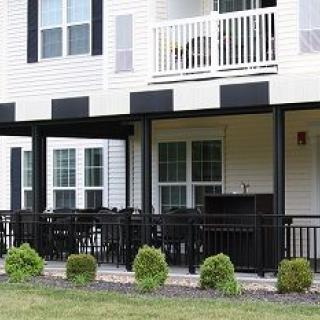
 Outdoor space
 Private bathrooms
 Restaurant-style dining
 Small library
 Telephone
 Wellness center
 Wi-Fi/high-speed internet available
 Tri-State Walker-Long (19 miles away)
 Community operated transportation
 12-16 hour nursing
 24-hour call system
 Activities of daily living assistance
 Assistance with bathing
 Assistance with dressing
 Assistance with transfers
 Diabetes diet
 Medication management
 Mental wellness program
 Special dietary restrictions
 Concierge services
 Planned day trips



 Comprehensive Insights and Practical Strategies to Help Older Adults Avoid Falls
 6 Crucial Ways an Elder Law Attorney Assists Families
 Navigating the Tax Landscape of Caregiving: Credits, Deductions, and Beyond