For more information about senior living options: (866) 208-4318
4.4 from 125 reviews
5 stars
98
4 stars
12
3 stars
0
2 stars
3
1 stars
12
Overall Review of Cardinal Hill Skilled Rehabilitation Unit
common34 reviews mention this
Staff is consistently described as caring
Residents repeatedly describe the care team as kind, professional, and supportive.
Across many reviews, residents and families describe nurses, therapists, and support staff as caring and responsive. Multiple guests highlight that staff took time to explain, addressed questions, and helped them feel comfortable during therapy and recovery. A few reviews also name specific team members for wound care, nursing help, and therapy support, reinforcing that residents saw personal attention—not just routine tasks.
differentiator15 reviews mention this
Rehabilitation therapy helps people improve
Many residents credit the rehab team with meaningful progress during their stay.
Several reviews focus on physical and occupational therapy (and sometimes speech or cognitive therapy) as the driver of improvement. People describe regaining mobility and strength, learning exercises to use at home, and building daily-function skills after surgery or complications. Even when reviews mention a tough period or a slow moment, they still often connect progress to working with therapists who tailored help to limits and goals.
caveat10 reviews mention this
Food is mixed, with some disappointment
Dining quality comes up often, with both praise and complaints.
Some residents say food was good and that nutrition staff checked in and helped them get meals that worked with preferences or dietary needs. Others say the food was not so good, leaves something to be desired, or needs improvement. A few reviews tie the experience to practical factors like meal satisfaction and how food served during their recovery affected day-to-day comfort.
caveat9 reviews mention this
Staffing and responsiveness concerns recur
A recurring theme is difficulty getting timely assistance and hands-on help.
Several negative reviews describe gaps in basic support—such as delays responding to calls for help, trouble getting assistance with toileting, or problems with how care needs were handled. A few residents and families also describe situations where communication or coverage felt inadequate, including concerns about staff availability at certain times. While many reviews are positive about the team, these recurring complaints point to uneven responsiveness during parts of the stay.
How we summarize
Counts show how many written reviews mention each theme; a review can touch several themes, and only frequently mentioned themes are displayed.
Features
Housing
74 resident community capacity
Types of Care
Skilled Nursing Facility
Amenities
Air-conditioning
Beauty salon
Cable or satellite TV
Computer center
Dining room
Fitness room
Fully furnished
Gaming room
Garden
Housekeeping services
Kitchenette
Move-in coordination
Outdoor space
Private bathrooms
Restaurant-style dining
Small library
Telephone
Wellness center
Wi-Fi/high-speed internet available
Transportation
Blue Grass (4 miles away)
Community operated transportation
Transportation arrangement
Transportation arrangement (non-medical)
Transportation to doctors appointments
Care Services
12-16 hour nursing
24-hour call system
24-hour supervision
Activities of daily living assistance
Assistance with bathing
Assistance with dressing
Assistance with transfers
Diabetes diet
Meal preparation and service
Medication management
Mental wellness program
Special dietary restrictions
Dining
Diabetes diet
Special dietary restrictions
Activities
Community-sponsored activities
Concierge services
Fitness programs
Planned day trips
Resident-run activities
Scheduled daily activities
Nearby Places of Interest
Physicians
Nicholas C. Elwert, DO, MS (0 miles)
Tharun Karthikeyan (1.2 miles)
Lexington Clinic: Ear, Nose, and Throat / Audiology (1.2 miles)
CHI Saint Joseph Health - Heart and Vascular Care (1.3 miles)
Urologic Associates Psc (1.3 miles)
Nephrology Associates of Lexington PSC (1.3 miles)
Kentucky Eye Institute (1.3 miles)
Restaurants
Tortilleria Y Taqueria Ramirez (0.6 miles)
McDonald's (0.6 miles)
Aguascalientes Restaurant (0.7 miles)
Domino's Pizza (1.2 miles)
The Rackhouse Tavern (1.2 miles)
First Watch (1.5 miles)
Cook Out (1.6 miles)
Cafes
Starbucks (0.7 miles)
Starbucks (1.6 miles)
Manchester Coffee (1.8 miles)
Cafe Central (2.5 miles)
Kentucky Native Café (2.6 miles)
Pharmacies
Health Mart Pharmacy (0.8 miles)
Office Park Pharmacy (1.3 miles)
CVS Pharmacy (1.5 miles)
Walgreens (1.5 miles)
Lexington Compounding Pharmacy (1.5 miles)
Walgreens (1.7 miles)
Pharmacy Shop (2.2 miles)
Hospitals
University of Kentucky, Uk Healthcare (2.1 miles)
Chandler Hosptial (2.1 miles)
UK Albert B. Chandler Hospital Pavilion HA (2.1 miles)
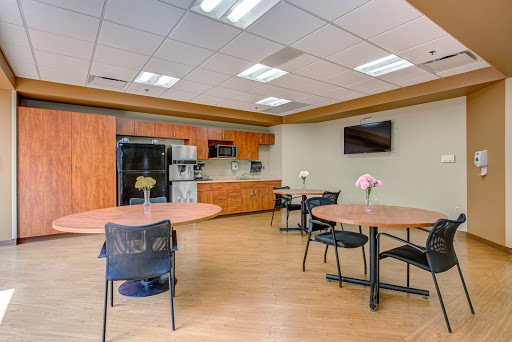
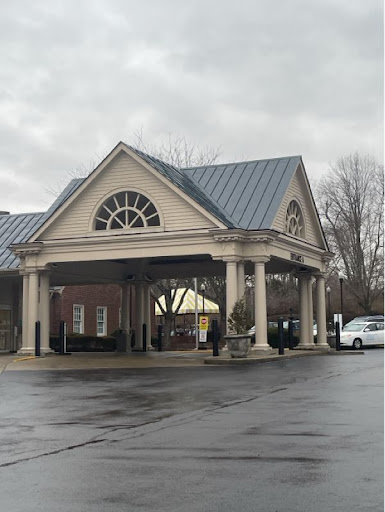
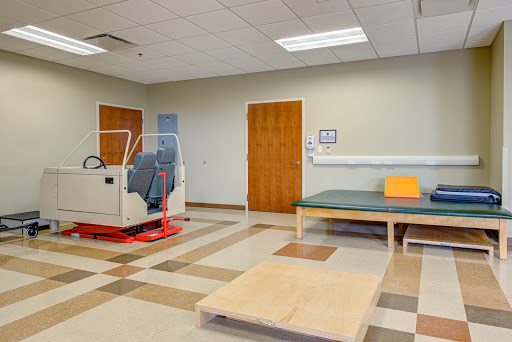
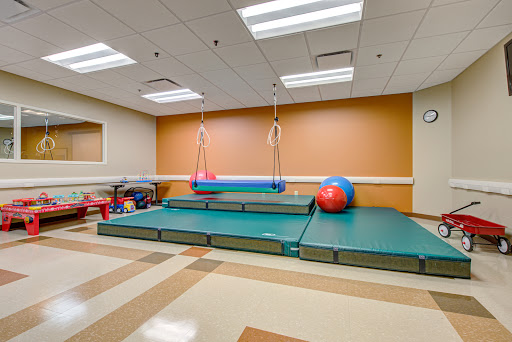
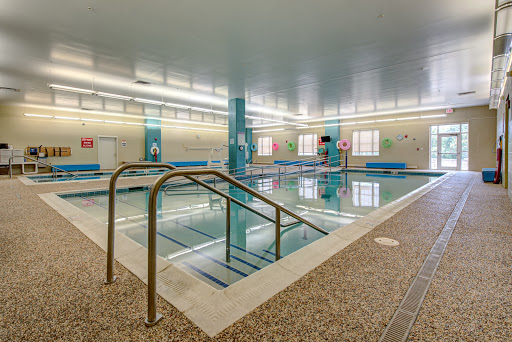
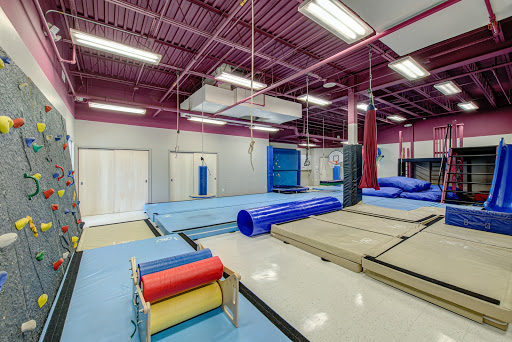
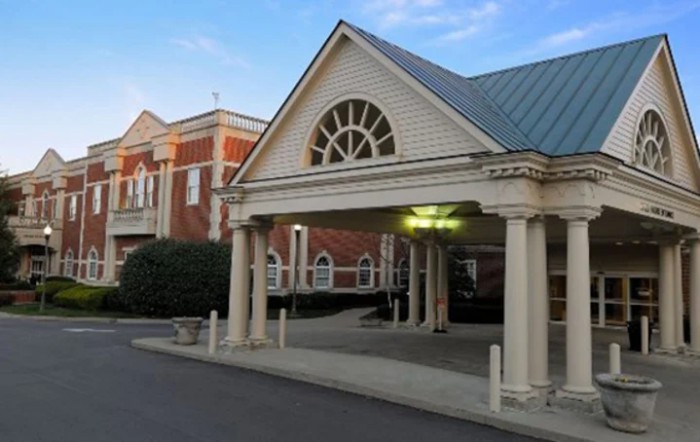
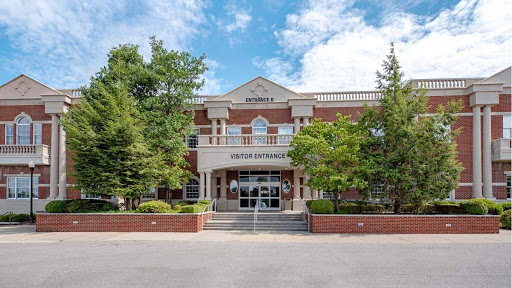
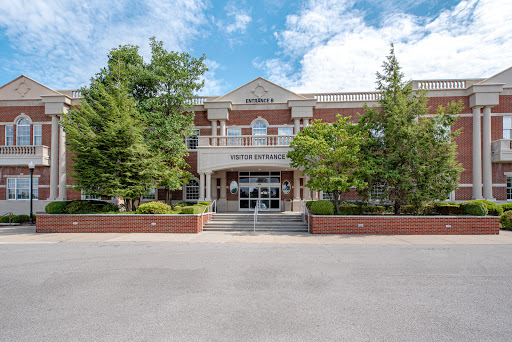
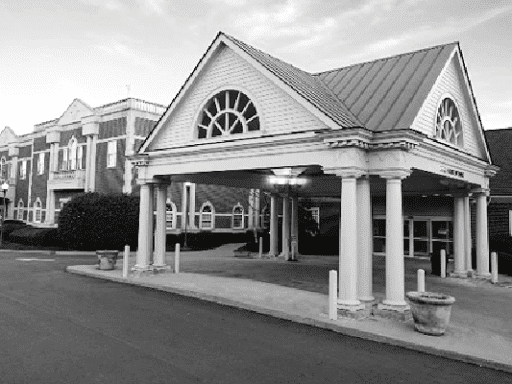
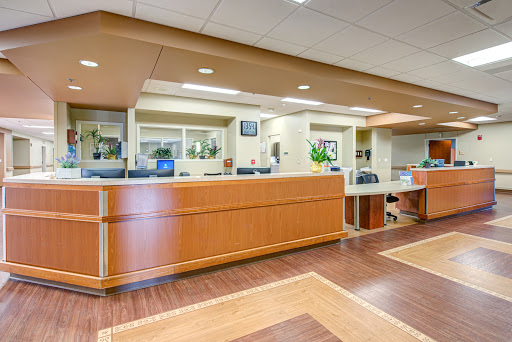
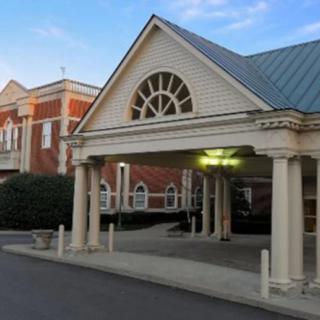
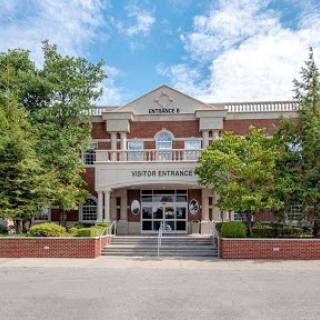
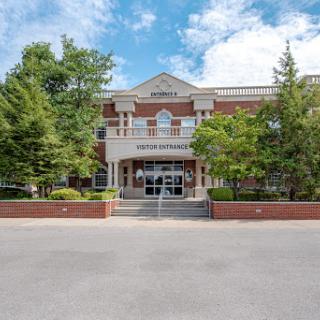
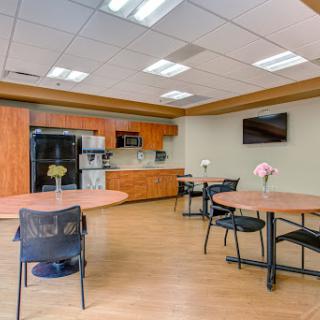
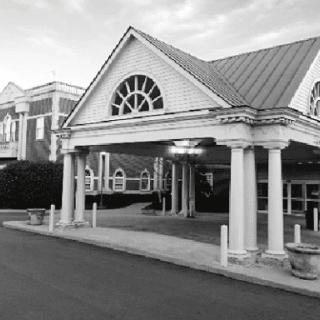
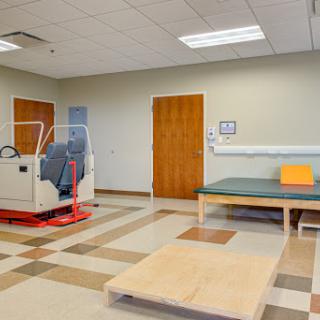
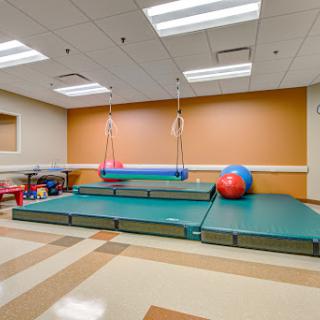
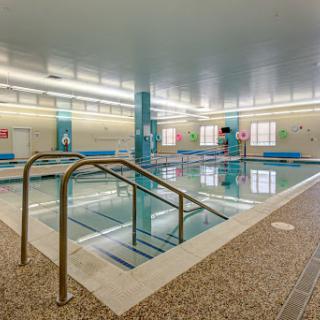
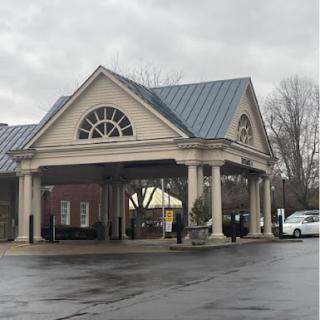
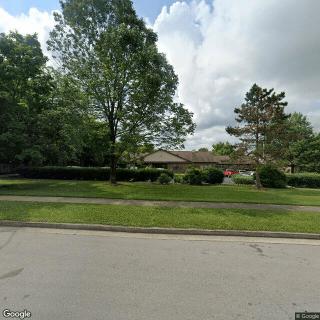
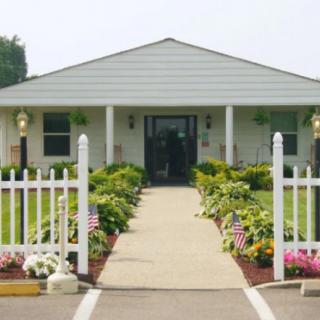
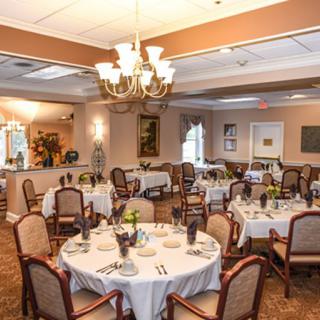
Cardinal Hill Skilled Rehabilitation Unit on seniors.fyi includes 11 photos including images showing building, architecture, entrance, exterior, office, urban, landscaping, interior, and more.
Nearby Communities
Providence Homestead
Lexington, KY
3.4 from 55 reviews
Strong communication and attentive, high-quality care.
Homestead Post Acute
Lexington, KY
3.4 from 59 reviews
Spacious rooms with strong rehab support and attentive staff.
Pine Meadows Post Acute
Lexington, KY
3.1 from 20 reviews
Comprehensive on-site amenities and services (dining with restaurant-style service, beauty salon, fitness/gaming rooms, library, transportation, wellness program) plus 24/7 supervision and medication management.
Pine Meadows Health Care
Lexington, KY
3.6 from 32 reviews
Specialized diabetic care with a variety of amenities that support social and physical well-being.
Cambridge Place Group
Lexington, KY
3.8 from 61 reviews
Attentive staff with on-site rehab and ongoing refurbishments.
Lexington Country Place
Lexington, KY
3.9 from 52 reviews
$4,410 / month
Caring staff with engaging activities and effective therapy services.
The Lafayette
Lexington, KY
4.4 from 67 reviews
$2,400 to $4,200 / month
Friendly staff and spacious, well-equipped apartments with active social programs.
Cedarhurst Of Beaumont
Lexington, KY
4.7 from 94 reviews
$4,050 to $5,750 / month
Caring, friendly staff in a clean, welcoming community with engaging activities.
Senior move management provides specialized support for older adults relocating by assisting with logistics, emotional challenges, and downsizing decisions to ensure a smooth transition to new living environments. These services address the unique needs of seniors and have become increasingly important as baby boomers retire and seek to downsize.
Weight training is vital for seniors to maintain muscle mass, bone density, and overall health, combating age-related declines through customized resistance exercises that enhance balance and well-being. Safe routines should start with realistic goals and proper form, while emphasizing gradual progress and consultations with healthcare providers to ensure safety and effectiveness.
The Sandwich Generation comprises adults managing the dual responsibilities of caring for aging parents and raising children, leading to significant emotional, logistical, and financial challenges. This situation is exacerbated by longer life expectancies and cultural expectations, necessitating effective coping strategies and support resources to alleviate caregiver stress and burnout.
Exercise Equipment, Rehabilitation, Physical Therapy, and Therapy Room
Exterior
Healthcare, Waiting Area, and Reception
Parking
Office
Gym
Exercise, Fitness Center, Indoor Pool, and Water
Additional Photos
Get PricingAsk A QuestionSchedule A TourContact Senior Advisor
By clicking submit, you agree to our Partner's Terms of Use. You
also consent to receive calls and texts, which may be autodialed, from our Partner. Your consent is not a condition to
using our Partner's service. Please visit our Partner's Privacy Policy for information about their privacy practices.

 74 resident community capacity
 Skilled Nursing Facility
 Air-conditioning
 Beauty salon
 Cable or satellite TV
 Computer center
 Dining room
 Fitness room
 Fully furnished
 Gaming room
 Garden
 Housekeeping services
 Kitchenette
 Move-in coordination
 Outdoor space
 Private bathrooms
 Restaurant-style dining
 Small library
 Telephone
 Wellness center
 Wi-Fi/high-speed internet available
 Blue Grass (4 miles away)
 Community operated transportation
 12-16 hour nursing
 24-hour call system
 Activities of daily living assistance
 Assistance with bathing
 Assistance with dressing
 Assistance with transfers
 Diabetes diet
 Medication management
 Mental wellness program
 Special dietary restrictions
 Concierge services
 Planned day trips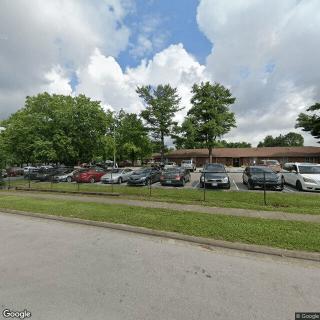
 Strong communication and attentive, high-quality care.




 Senior Move Management: Understanding the Role, Value, and Associated Costs
 Weight Training for Seniors: Building Strength and Vitality
 Understanding the Sandwich Generation: Stress and Responsibilities for Multigenerational Caregivers