
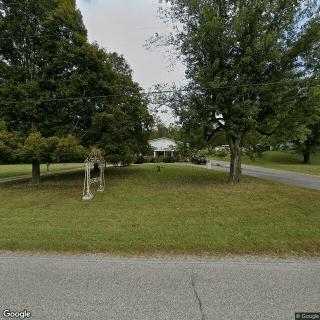
2500 State Route 5, Ashland, KY 41102
For more information about senior living options: (866) 208-4318
Overall Review of Kingsbrook Lifecare Center
Pros
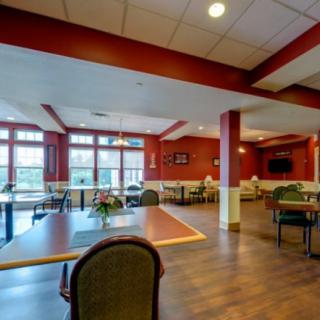
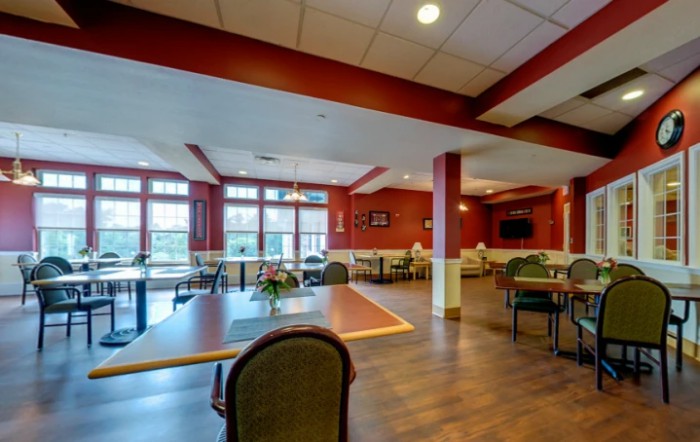
 The staff are very nice and there are activities for the residents, and the facility is modern, clean, and does not smell.
 - Kingsbrook is praised for its caring staff who listen to concerns and respond quickly, leading to very good care.
- The PT department staff are excellent, and the overall care is high quality.
- The care at Kingsbrook has led to improvements in residents’ physical, mental, and social well-being, with many noting wonderful staff.
- The atmosphere is peaceful and beautiful, and the residents enjoy the food.
- The staff are described as the best at taking care of residents’ needs and providing attentive, responsive support.
Cons
 The staff left a lot to be desired and residents were not consistently cared for properly.
- Residents did not receive sponge baths or showers during a week-long stay.
- A resident returned home bloodied in areas of the body and the smell was horrific.
- The room was not clean upon arrival, with black stuff in the sink and dead bugs in the shower.
- A supervisor stood in a patient’s room at 1:50 a.m. and stared at her.
- It took three hours to assist with bathroom needs, and the potty chair by the bed was wobbly.
- Staff did not announce themselves or answer call buttons, causing distress.
- The night supervisor behaved unprofessionally by standing in a dark room and staring at a patient.
- The staff were rude and blocked family members from calling to check on a loved one.
Review
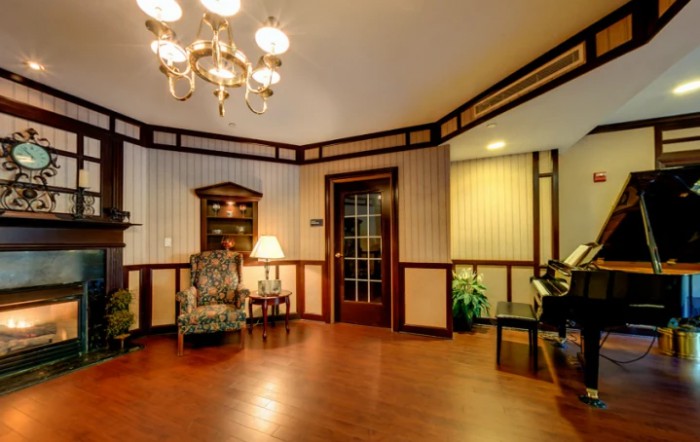
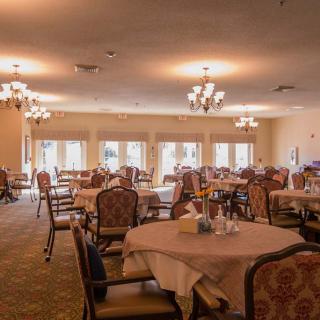
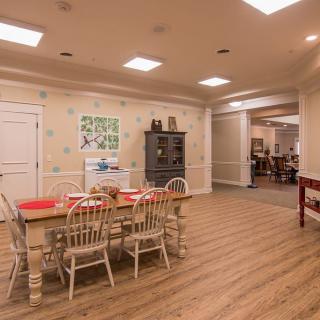
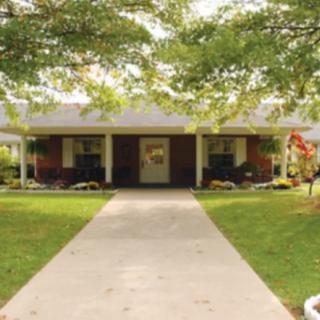
Kingsbrook Lifecare Center in Ashland, KY is best suited for families seeking a visually appealing, home-like setting with an active social calendar and credible therapy options, provided there is steady oversight to keep daily care on track. The facility presents as modern and clean, with pleasant common areas that encourage interaction and a sense of community. For residents needing rehabilitation after surgery or a stroke, the center can deliver meaningful gains when staffing is consistently attentive. It is less appropriate for highly dependent individuals who require constant monitoring or for families unwilling to risk uneven care, given repeated reports of delayed responses and inconsistent nursing attention.
Those weighing alternatives should particularly consider safety and reliability. Several accounts describe slow call-bell responses, inadequate personal care, and lapses in basic hygiene, sometimes with alarming consequences. Night workloads, staff shortages, and perceived management indifference surface in multiple narratives, raising questions about whether all residents will receive prompt, respectful treatment at all times. For loved ones with dementia or high medical fragility, these gaps can translate into meaningful risk, making a more consistently staffed facility a prudent option to explore.
On balance, the strongest point in Kingsbrook’s favor is the potential for positive, outcome-oriented care when the right staff are on duty. Families observe courteous aides, dedicated physical therapy teams, and a genuine emphasis on activity participation that keeps residents engaged and motivated. The environment often supports meaningful social interaction, with crafts and organized routines that can lift mood and cognitive engagement. However, these benefits are not guaranteed; when care episodes deteriorate, the same atmosphere becomes insufficient to offset the risk to skin integrity, hydration, and dignity, making the overall experience highly contingent on daily staffing reality.
From a practical standpoint, prospective residents should demand concrete assurances before placement. During tours, scrutinize staffing ratios, especially night coverage, and probe the timelines for response to bathroom needs or pain medication. Request candid input from current residents about daily life, and observe therapy sessions to gauge consistency and personalization. Verify cleanliness standards beyond first impressions, and ask about pest control, laundry hygiene, and the facility’s process for addressing complaints. Given some reports of leadership responsiveness or lack thereof, inquire about the medical director’s role and how procedural concerns are escalated and resolved.
If this option is pursued, set up a formal care plan with clear milestones, and appoint a family liaison to coordinate with nursing and therapy. Consider a trial rehabilitation admission to assess consistency over several weeks rather than a quick attritional evaluation. Establish explicit expectations for showering, bedside assistance, call-button responsiveness, and timely meal service. Create a risk-management framework focused on fall prevention, skin checks, and timely hydration, with explicit escalation steps if standards slip. Regular, scheduled family visits and proactive communication should be non-negotiable to guard against the uneven experiences reported by some families.
Ultimately, Kingsbrook Lifecare Center delivers a credible combination of pleasant surroundings, social engagement, and tangible therapy potential, but the uneven staffing and safety concerns cannot be ignored. For families willing to maintain strong oversight and insist on high responsiveness, it can be a workable home for rehab and recovery within a warm, community-oriented setting. For those prioritizing unwavering, hands-on care and hemmed-in risk management, it is sensible to look elsewhere and compare options with clearer evidence of consistent staffing and patient safety. The decisive judgment is practical: this community can be a solid fit for the right oversight-heavy family, but it should not be the default choice for residents requiring steady, uncompromised care.
 137 resident community capacity
 Skilled Nursing Facility
 Air-conditioning
 Beauty salon
 Cable or satellite TV
 Computer center
 Dining room
 Fitness room
 Fully furnished
 Gaming room
 Garden
 Housekeeping services
 Kitchenette
 Move-in coordination
 Outdoor space
 Private bathrooms
 Restaurant-style dining
 Small library
 Telephone
 Wellness center
 Wi-Fi/high-speed internet available
 Tri-State Walker-Long (11 miles away)
 Community operated transportation
 12-16 hour nursing
 24-hour call system
 Activities of daily living assistance
 Assistance with bathing
 Assistance with dressing
 Assistance with transfers
 Diabetes diet
 Medication management
 Mental wellness program
 Special dietary restrictions
 Concierge services
 Planned day trips



 Weight Training for Seniors: Building Strength and Vitality
 Understanding the Sandwich Generation: Stress and Responsibilities for Multigenerational Caregivers
 8 Essential Assistive Devices for Older Adults