

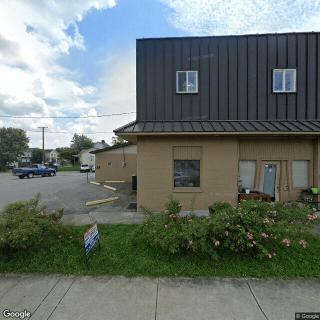
1529 Greenup Ave, Ashland, KY 41101
To contact a resident: (606) 324-2491
For more information about senior living options: (866) 208-4318
Overall Review of Family Home Health Care
Pros
 They were very professional.
- They all were very nice.
- Mr. Fry's nurses and his physical therapy were awesome and very nice.
- The OT and PT girls were awesome.
- Nurses were detailed in their exams and made the patient feel at ease.
- Top-notch professional care.
- Angie was the nurse and she was absolutely the best.
Cons
 They were slow to start the home care, delaying the initial visit.
- Insurance was part of the problem.
- There was an expression of disgust, captured by "Ew yuck."
Review
This community is best suited for families seeking robust in-home medical support, nursing, physical therapy, occupational therapy, and speech therapy, delivered in a warm, professional home-visit setting. It shines for seniors who want to stay in their own environment while receiving skilled rehabilitation and medical oversight, especially after a hospital stay or surgery when a structured rehab plan is essential. The emphasis on individualized attention from nurses and therapists makes it a strong match for those who value detailed exams, clear explanations, and steady progress in recovery without relocating to a facility. For families prioritizing continuity of care at home, this provider offers a reassuring, hands-on approach that keeps the aging process visible and navigable.
Those weighing options should consider alternatives if two elements matter most: speed of service and 24/7 care or social programming. The record notes that initiation of home care can be slower than ideal, with insurance coordination posing obstacles at the outset. If a rapid start is non-negotiable or if daily, around-the-clock supervision and a bustling on-site social milieu are required, a residential option or a different agency with stronger onboarding guarantees may be preferable. Additionally, any family with complex insurance arrangements or billing questions should plan for extra time to resolve coverage before services ramp up fully. In short, the path is strong on clinical skill but not without onboarding friction.
The strongest case rests on the clinical depth and the human quality embedded in the care team. Reviews repeatedly praise the professionalism and kindness of the nurses, therapists, and speech-language pathologists. Nurses conduct thorough examinations and convey findings clearly, which helps families feel informed and at ease. The physical therapy and occupational therapy staff are described as caring, capable, and effective, with particular therapists highlighted for their exceptional bedside manner and practical, home-centered approaches. The home setting itself becomes an asset, allowing therapists to tailor exercises to real-life routines and safety needs. When the team members, Angie among them, are singled out for excellence, it underpins a reliable daily experience and a sense of genuine partnership in recovery.
Nevertheless, the few cautions deserve sober weighting. The main drawbacks center on a slower-than-ideal start to services and the complications surrounding insurance. These are not minor quirks but real friction points that can delay momentum in rehab and create confusion during the transition from hospital or clinic to home-based care. Yet the documented pro strengths, consistent, attentive clinicians; a cohesive nursing-therapy team; and a palpable commitment to comfort and reassurance, tend to offset these drawbacks for families who can tolerate a modest onboarding period. The care culture here emphasizes respect, patience, and a steady hand, which matters when trust must be built quickly with a recovering loved one.
For families actively planning a choice, the practical path is clear. Confirm the expected intake timeline and request a concrete start date, then map how insurance coordination will unfold with a dedicated contact. Prioritize securing continuity with a preferred nurse or therapist if possible, and ask for a sample week of visits to visualize scheduling, travel time, and expected therapy frequencies. Seek clarity on how the team communicates progress to the family and primary physicians, and verify that all needed disciplines (nursing, PT, OT, SLP) will be consistently available. If the goal is rigorous, compassionate in-home care wrapped in professional warmth, this provider delivers, and the overall value is strong enough to outweigh onboarding bumps for most families.
In the end, this community presents a compelling choice for those who prize skilled, in-home rehabilitation backed by a thorough nursing presence and empathetic therapists. The documented strengths, detailed exams, respectful interactions, and genuinely effective therapy, create a trustworthy framework for healing at home. The main caveat is the onboarding hurdle tied to speed of startup and insurance logistics; weigh that against the predictable, high-quality care once services are fully engaged. For families who can navigate the initial setup with clarity and a little patience, the payoff is clear: a home-based care experience that feels both capable and compassionate, with real potential to support meaningful recovery without uprooting daily life.
 Skilled Nursing Facility
 Tri-State Walker-Long (9 miles away)






 Is a Geriatric Care Manager the Right Choice for Your Family?
 Compassionate Conversations: How to Comfort Someone Who Is Grieving
 Home Health Care Aides: Understanding Their Role and Supporting Your Family