

3000 Central Avenue, Ashland, KY 41101
For more information about senior living options: (866) 208-4318
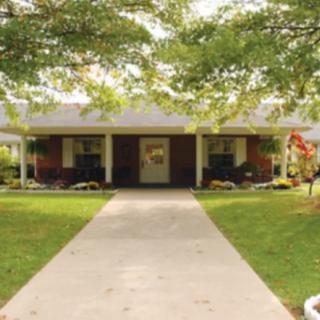
Overall Review of Artrips Personal Care Home
Pros
 He has formed friendships with a few residents.
- The reviewer notes positive social connections with some residents.
Cons
 The reviewer would give this place negative 155 stars if possible.
- The reviewer describes it as no more than a house with boarders that family members have given full guardianship over their loved ones, not a real retirement home.
- The reviewer notes almost daily incidents, including fights among residents, a fire alarm triggered by a lit cigarette, and a resident dying from starvation.
- The reviewer claims there is no certified medical professional on site.
- The reviewer states there is no curfew and residents wander the neighborhood at all hours.
- The reviewer reports residents being solicited for cigarettes or money, including a resident soliciting a passing car for money with offers of salacious acts, and a threat to the reviewer.
- The reviewer argues residents are not properly managed and are kept to generate income for payees, with little chance of leaving.
- The reviewer asserts medications are given but do not improve and often worsen mental health, with some residents becoming clearly insane, and labels the place a scam that should be shut down.
Review
Artrips Personal Care Home in Ashland, KY is best suited for families seeking the absolute lowest-cost lodging with a home-like feel and who are prepared to provide hands-on oversight. This setting appears to work only for residents who can tolerate a very loosely structured environment, with minimal professional supervision and little formal care coordination. It is not appropriate for seniors who need licensed medical oversight, regular medication management, fall prevention, or emergency response. In short, the match here is a cost-conscious, family-managed arrangement rather than a professionally supervised assisted-living option.
For those weighing alternatives, this facility should not be the first choice for anyone with predictable medical needs or safety concerns. Licensed assisted living facilities with on-site nursing staff, daily meal planning, and established care plans are far more suitable for individuals with chronic conditions, dementia, mobility limitations, or behavioral risk. If the health picture may deteriorate or require routine medical attention, or if memory care or skilled nursing might eventually be required, stronger, more regulated options are the prudent path. Home health services or aging-in-place arrangements with trained caregivers can offer safer, more reliable oversight than the described setting.
In terms of trade-offs, the apparent home-like ambiance and potential affordability can seem appealing on the surface, but these perceived benefits are overwhelmed by the core care deficiencies. One positive review exists, yet it does not counterbalance the broad concerns raised by multiple reports about safety, governance, and basic daily needs. The lack of licensed medical staff, absence of predictable structure, and vague or absent care plans mean that any potential cost savings come at a serious compromise in reliability, safety, and overall quality of life.
The most compelling red flags center on safety and management failures. Accounts describe near-daily incidents, including resident fights, a fire alarm triggered by a cigarette indoors, and a resident dying from starvation, all without apparent professional oversight. Residents reportedly roam the neighborhood at all hours, face solicitations, and in one case threats. Medication handling is described as ineffective, with no clear evidence of meaningful health improvement. The informal guardianship model and the apparent independence from formal accountability raise ongoing concerns about nutrition, hydration, and overall well-being.
When evaluating this option, pursue a rigorous due-diligence process. Confirm licensing status and the qualifications of all on-site caregivers, and determine whether a registered nurse or licensed practical nurse is regularly present. Demand access to daily care plans, meal programs, medication administration records, and explicit safety protocols, including emergency response and fire safety. Visit at different times to assess supervision levels, resident interactions, and the overall atmosphere. Speak with current residents and families about safety, care quality, and satisfaction. Look for red flags such as wandering, lack of structured meals, dehydration or malnutrition, and any history of disciplinary actions or abrupt changes in operation. If this option is considered, insist on clear terms, ongoing family updates, and defined escalation procedures to protect against repeat issues.
Ultimately, Artrips Personal Care Home represents a high-risk choice for anyone requiring consistent supervision and professional care. For seniors with medical needs, cognitive challenges, or safety risks, the prudent route is toward facilities with licensed staff, formal oversight, and robust safety measures. If choosing this setting despite concerns, implement stringent safeguards, maintain active family involvement, and establish explicit contingency plans. The guiding principle remains, to secure a living arrangement that reliably upholds basic health, safety, and dignity, rather than accepting a low-cost option marked by uncertain governance and care.
 22 resident community capacity
 Assisted Living
 Activities on-site
 Beauty salon
 Cable or satellite TV
 Devotional services off-site
 Dining room
 Fully furnished
 Garden
 Housekeeping services
 Indoor common areas
 Kitchenette
 Move-in coordination
 Outdoor space
 Telephone
 Wi-Fi/high-speed internet available
 Tri-State Walker-Long (8 miles away)
 24-hour call system
 Ambulatory care
 Assistance with bathing
 Assistance with dressing
 Assistance with transfers
 Diabetes diet
 Diabetic care
 Meal preparation and service
 Medication management
 Mental wellness program
 Special dietary restrictions
 Transportation arrangement (medical)
 Transportation to doctors appointments







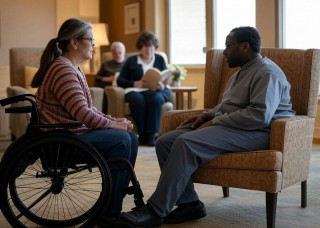 Comprehensive Residential Support and Assisted Living Solutions for Individuals with Disabilities
 Comprehensive Supportive Living Arrangements for Adults with Disabilities
 Funding and Affording Assisted Living: A Thorough Overview