Therapy is repeatedly described as effective for regaining strength and mobility.
A large share of residents and families describe meaningful progress with physical and occupational therapy, including getting back to walking, standing, and completing daily tasks. Reviews also highlight attentive therapy teams that adjust to individual needs and encourage participation in rehab goals. Several comments specifically tie improvement to therapy’s consistency and hands-on work across inpatient and outpatient stays.
common46 reviews mention this
Care teams feel caring and supportive
Many reviews describe staff who are kind, helpful, and supportive throughout care.
Across reviews, families and residents often mention being greeted warmly and receiving help with needs as they come up. Nursing and front-office staff are frequently described as responsive, patient, and professional when residents have concerns. At the same time, a smaller set of reviews raise issues around neglect, staffing, and professionalism, so experiences vary by unit and timing.
common18 reviews mention this
Facility cleanliness is a frequent point
Residents often call out the facility’s cleanliness and upkeep.
Multiple reviews describe the building as clean and well kept, with bright, cared-for common areas. Some also mention cleanliness alongside friendly interactions from housekeeping and other staff. A few critical reviews go the other direction, describing dirty conditions and inadequate cleaning, which contributes to mixed perceptions overall.
caveat14 reviews mention this
Food quality is sometimes praised
Food experiences are mixed, with praise for meals but recurring delivery and temperature problems.
Some residents describe meals as good, delicious, and sometimes hot, including comments about good portions. Others report meals arriving missing items, served cold, or not matching dietary restrictions, including concerns tied to swallowing needs and meal accuracy. There are also complaints that meal requests are not consistently fulfilled, which can outweigh the positive food mentions.
common10 reviews mention this
Activities provide structure and engagement
Residents and families often mention activities that make days feel more engaging.
Reviews frequently cite an activity calendar and specific options like crafts, movie nights, puzzles, bingo, and ice-cream socials. Some describe social workers and activities staff as helpful in coordinating what people want to do. A few reviews also indicate weekend staffing issues, which may affect how consistently activities run.
How we summarize
Counts show how many written reviews mention each theme; a review can touch several themes, and only frequently mentioned themes are displayed.
Features
Housing
120 resident community capacity
Types of Care
Skilled Nursing Facility
Amenities
Air-conditioning
Beauty salon
Cable or satellite TV
Computer center
Dining room
Fitness room
Fully furnished
Gaming room
Garden
Housekeeping services
Kitchenette
Move-in coordination
Outdoor space
Private bathrooms
Restaurant-style dining
Small library
Telephone
Wellness center
Wi-Fi/high-speed internet available
Transportation
Wichita Mid-Continent (9 miles away)
Community operated transportation
Transportation arrangement
Transportation arrangement (non-medical)
Transportation to doctors appointments
Care Services
12-16 hour nursing
24-hour call system
24-hour supervision
Activities of daily living assistance
Assistance with bathing
Assistance with dressing
Assistance with transfers
Diabetes diet
Meal preparation and service
Medication management
Mental wellness program
Special dietary restrictions
Dining
Diabetes diet
Special dietary restrictions
Activities
Community-sponsored activities
Concierge services
Fitness programs
Planned day trips
Resident-run activities
Scheduled daily activities
Nearby Places of Interest
Physicians
Via Christi Clinic (0.1 miles)
Ascension Via Christi Sleep Center on Carriage Parkway (0.1 miles)
Grene Vision Group (0.4 miles)
Via Christi Clinic (1.4 miles)
Valarie Kerschen (1.5 miles)
Kansas Surgical Consultants (1.5 miles)
Wesley Family Medicine (1.6 miles)
Parks
Edgemoor Park (0.3 miles)
College Hill Park (1.5 miles)
Cafes
Il Primo Espresso Caffe (0.5 miles)
Panera Bread (1.5 miles)
Starbucks (2 miles)
Starbucks (3.2 miles)
Restaurants
McDonald's (0.5 miles)
The Hill Bar & Grill (0.9 miles)
Walt's Sports Bar Grill (1.3 miles)
Chick-Fil-A (1.4 miles)
Olive Garden (1.4 miles)
Bubba's 33 (1.6 miles)
BJ's Restaurant & Brewhouse (1.8 miles)
Pharmacies
CVS Pharmacy (0.6 miles)
Walgreens (0.9 miles)
Walgreens (1.5 miles)
Health Mart Pharmacy (2 miles)
Walgreens (2.2 miles)
CVS Pharmacy (2.7 miles)
Walgreens (3 miles)
Places of Worship
Saint Marks Church of God in Christ (0.7 miles)
St Thomas Aquinas (1 miles)
Blessed Sacrament Catholic Church (1.3 miles)
World Impact (1.4 miles)
Galilee Church of God in Christ (2.8 miles)
Chapel of the Sorrowful Mother (3.4 miles)
Hospitals
Ascension Via Christi Rehabilitation Hospital (1.4 miles)
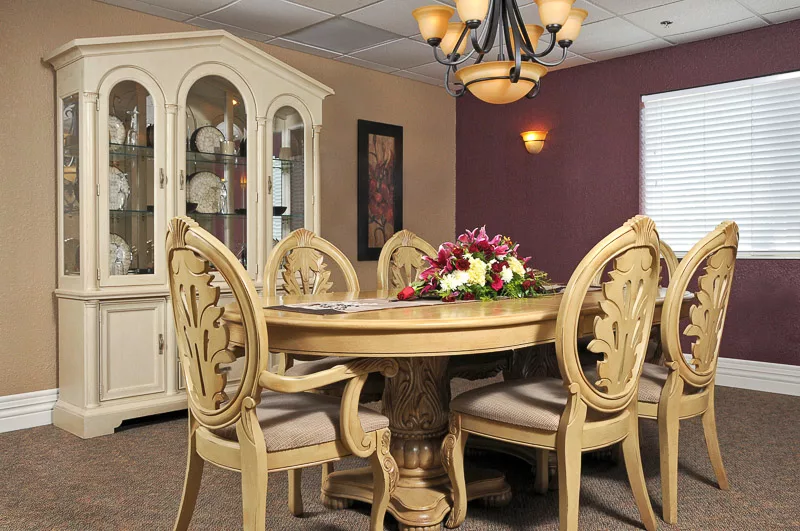
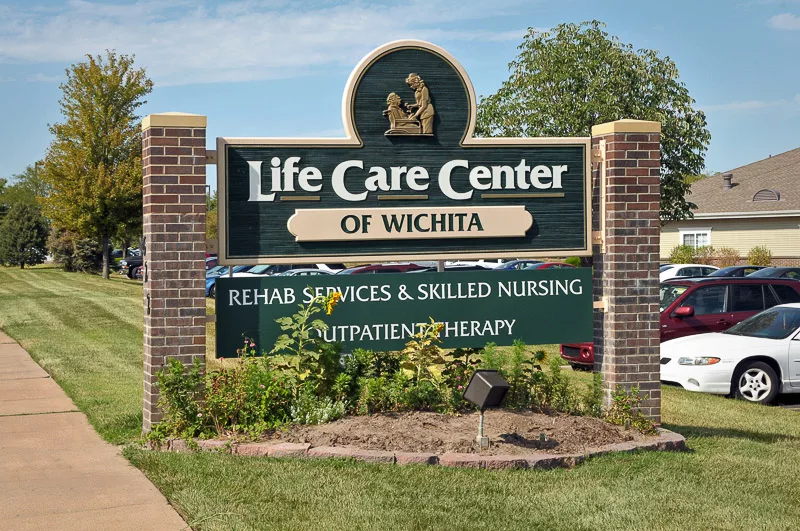
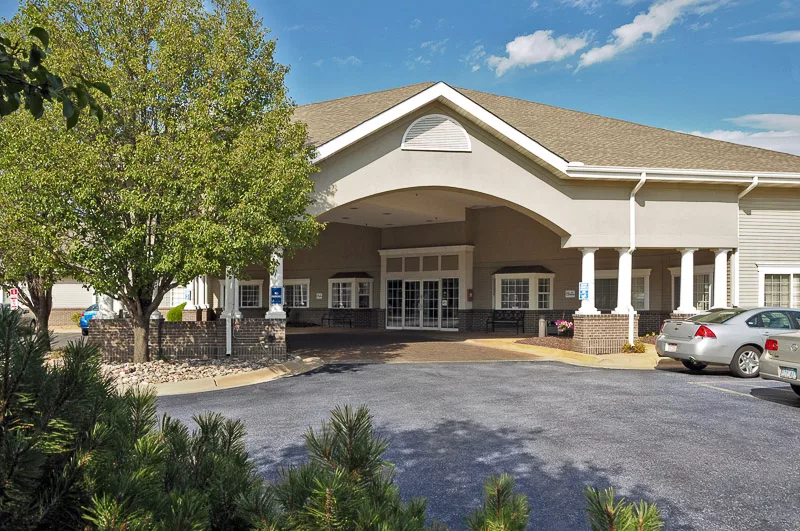
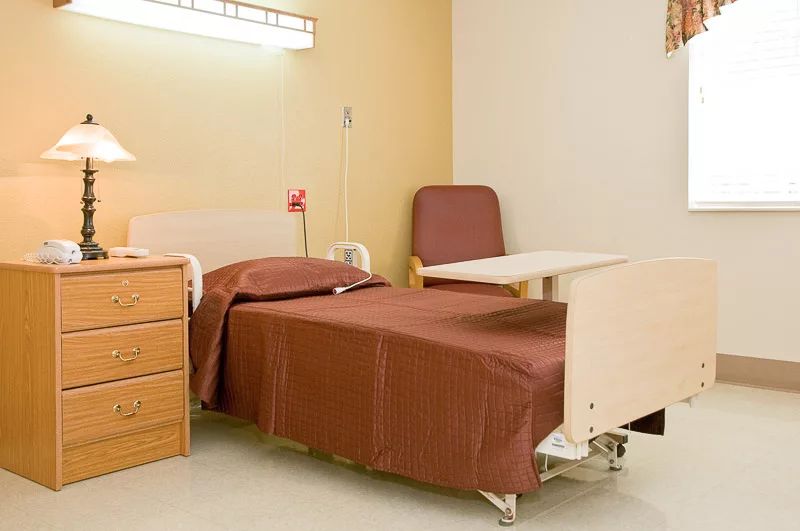
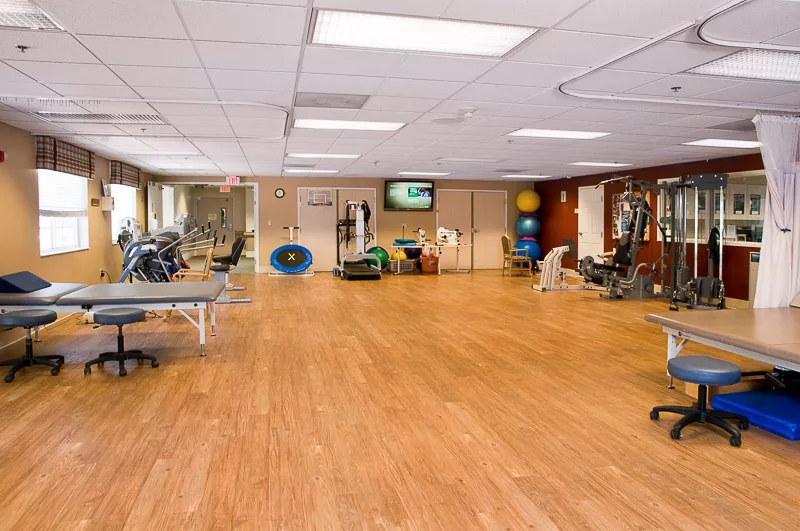
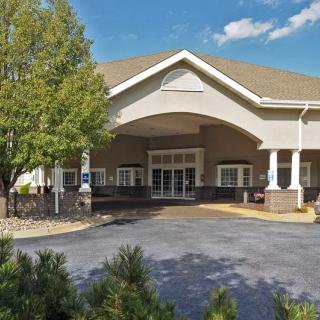
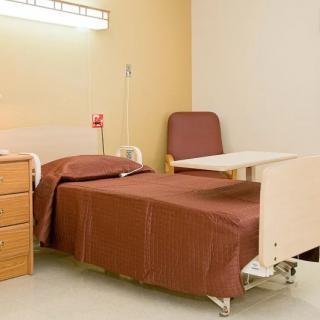
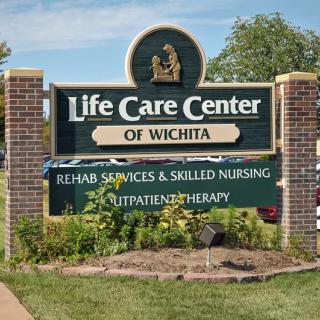
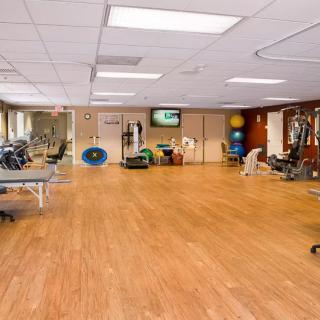
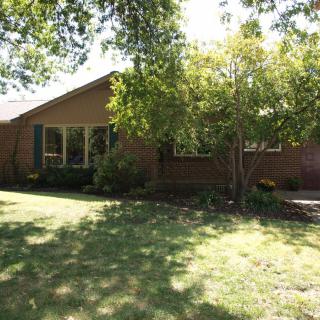
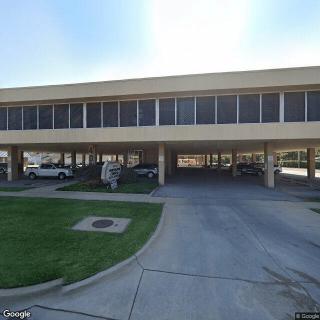
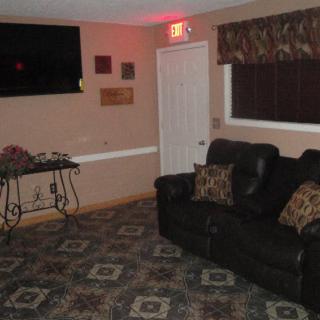
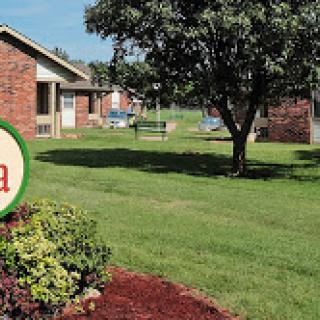
Life Care Center Of Wichita on seniors.fyi includes 6 photos including images showing interior, healthcare, fitness center, spacious, dining, nursing home, chandelier, rehabilitation, and more.
Nearby Communities
Wellsprings Of Wichita
Wichita, KS
3.7 from 6 reviews
Small, intimate community with comprehensive care and on-site amenities.
Arbor Homes-Marjorie
Wichita, KS
$3,800 to $4,200 / month
Affordably priced private/semi-private rooms with extensive nearby amenities.
Home Away from Home Senior Living
Wichita, KS
5 from 22 reviews
$2,500 to $5,000 / month
Competitive memory care pricing relative to local and state averages.
Wellsprings Of Wichita #2
Wichita, KS
$4,500 / month
Competitive private-room price of $4,500/mo with extensive amenities and comprehensive assisted-living services.
Keepsake Kottage #2
Wichita, KS
1 from 1 review
Fully furnished apartments with meals, housekeeping, 24/7 supervision, and care coordination
Complete Home Health Care
Wichita, KS
Convenient location with broad access to amenities and healthcare nearby.
Hospice care focuses on providing comfort and support for individuals nearing the end of life, with Medicare Part A covering services like nursing care and counseling for patients with a terminal illness and a life expectancy of six months or less. While most hospice services are low-cost for eligible patients, families should be aware that certain expenses, such as room and board, may not be covered.
Caregiver burnout is a common issue resulting from the intense physical, emotional, and mental demands of caregiving, leading to symptoms like fatigue and social withdrawal. To prevent burnout, caregivers should recognize early warning signs and implement self-care strategies, seek support, and prioritize their own well-being alongside that of those they care for.
Caregiver exhaustion, or burnout, stems from the relentless demands of caregiving, leading to emotional and physical depletion characterized by stress, frustration, and neglect of personal needs. Addressing this burden is essential to prevent long-term consequences, with early recognition and support being crucial for caregivers to maintain balance and implement self-care.
Exercise Equipment, Gym, Spacious, and Fitness Center
Healthcare
Library and Reading Area
Get PricingAsk A QuestionSchedule A TourContact Senior Advisor
By clicking submit, you agree to our Partner's Terms of Use. You
also consent to receive calls and texts, which may be autodialed, from our Partner. Your consent is not a condition to
using our Partner's service. Please visit our Partner's Privacy Policy for information about their privacy practices.




 120 resident community capacity
 Skilled Nursing Facility
 Air-conditioning
 Beauty salon
 Cable or satellite TV
 Computer center
 Dining room
 Fitness room
 Fully furnished
 Gaming room
 Garden
 Housekeeping services
 Kitchenette
 Move-in coordination
 Outdoor space
 Private bathrooms
 Restaurant-style dining
 Small library
 Telephone
 Wellness center
 Wi-Fi/high-speed internet available
 Wichita Mid-Continent (9 miles away)
 Community operated transportation
 12-16 hour nursing
 24-hour call system
 Activities of daily living assistance
 Assistance with bathing
 Assistance with dressing
 Assistance with transfers
 Diabetes diet
 Medication management
 Mental wellness program
 Special dietary restrictions
 Concierge services
 Planned day trips
 Small, intimate community with comprehensive care and on-site amenities.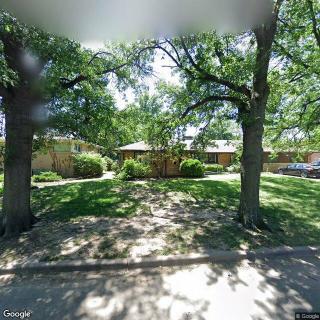

 Comprehensive Guide to Medicare Coverage for Hospice Care
 Caring for Those Who Care: Recognizing, Understanding, and Overcoming Caregiver Burnout
 Caregiver Exhaustion: Recognizing the Signs and Restoring Your Well-Being