
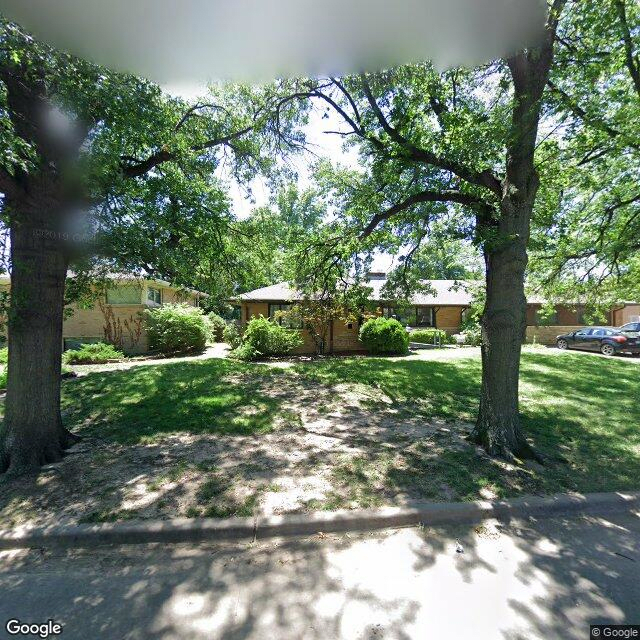
6311 East Marjorie Street, Wichita, KS 67208
To contact a resident: (316) 613-3670
For more information about senior living options: (866) 208-4318
Wellsprings Of Wichita Costs & Pricing
Wellsprings of Wichita offers competitive pricing for its services compared to the wider market in Sedgwick County and the state of Kansas. For a semi-private room, residents can expect to pay $4,800 per month, which is slightly below the county average of $4,937 but higher than the state average of $4,562. In contrast, the cost for a one-bedroom unit at Wellsprings is set at $5,000 per month, positioned above both local and state averages of $3,868 and $3,859 respectively. This pricing structure reflects the quality of care and amenities provided by Wellsprings of Wichita while also highlighting its alignment with regional cost trends.
| Floor plans | Wellsprings Of Wichita | Sedgwick County | Kansas |
|---|---|---|---|
| Semi-Private | $4,800 | $4,937 | $4,562 |
| 1 Bedroom | $5,000 | $3,868 | $3,859 |
Overall Review of Wellsprings Of Wichita
Pros
 They care for families.
- They take pride in their work.
- They are positive and upbeat.
Cons
 The company has poor management.
- It shows poor communication toward staff.
- They are always short-staffed.
- Management has a poor attitude.
- They would not recommend the company.
Review
Wellsprings Of Wichita is best suited for families seeking a warm, home-like atmosphere where caregivers take pride in their work and residents receive personal attention. The community appears to reward hands-on, positive interactions rather than a strictly corporate cadence, making it a good fit for seniors who flourish in a smaller, family-owned setting. If daily warmth from the caregiving team and visible, personable staff matters, this option can deliver that sense of belonging that larger facilities sometimes miss. It also appeals to households working with a modest budget who still value genuine connections with front-line caregivers. Regular in-person visits should be part of the plan to keep a clear read on day-to-day care and mood on the floor.
At the same time, potential residents should consider alternatives if airtight administrative discipline and steady staffing are non-negotiable. The absence of a consistently organized governance structure can translate into uneven communication and gaps in coverage, which detracts from reliability. For residents with complex medical needs or those requiring robust oversight, communities with stronger centralized management and retention programs may provide the predictability and formal care planning that Wellsprings currently lacks. Families should weigh turnover and leadership responsiveness carefully, ensuring that any medical or behavioral needs will still be met promptly and with clear accountability.
On balance, the environment can feel uplifting when frontline caregivers are fully engaged. The strongest praise centers on staff pride and a positive, encouraging tone that resonates with residents. A small, community-focused culture often translates into caregivers who know preferences, routines, and personal histories, contributing to meaningful daily experiences for those who do not demand intensive medical intervention. For families prioritizing daily companionship, social interaction, and accessible, friendly support, Wellsprings offers real, tangible advantages that can markedly improve quality of life when the care team is cohesive and motivated.
However, the downside cannot be ignored. Persistent concerns about management quality and communication signal potential inconsistencies in scheduling, training, and responsiveness. Short-staffing compounds these risks, heightening the chance of delayed tasks or rushed care, especially during evenings and weekends. A leadership style described as aloof or punitive can erode staff morale, which in turn may undermine resident trust and continuity of care. Taken together, these factors represent the most material risk to a stable, satisfying living experience, and they require careful scrutiny before making a decision.
The positive aspects can offset the negatives if governance and staffing stabilize. A tightly knit team that genuinely takes pride in its work can deliver excellent day-to-day experiences when leadership remains accessible and proactive. Prospective families should insist on transparent, current staffing metrics, turnover data, and a concrete plan to improve coverage and training. If management can demonstrate open channels of communication and a track record of addressing concerns promptly, the warmth and personal attention on offer become a meaningful differentiator rather than a risk. The ultimate decision hinges on whether current leadership responsiveness and staffing stability align with the resident’s medical needs and the family’s expectations for reliable care.
Recommendation: Wellsprings Of Wichita can serve well for households seeking warmth, visible caregiver dedication, and a home-like tone, provided management and staffing stability are verified. The strongest positives are the personal, attentive care delivered by engaged staff and a genuinely positive energy on the floor. The main caveats are leadership communication gaps and ongoing staffing shortages, which demand concrete assurances and ongoing monitoring. The prudent path is to schedule a thorough tour, speak with direct-care staff, review the latest staffing schedules, and request a trial period if offered. If these checks pass and the administration can demonstrate tangible improvements, this community becomes a practical, well-suited option; if not, it’s wise to keep exploring alternatives with stronger governance and more consistent staffing.
 8 resident community capacity
 Assisted Living
 Board and Care Home
 Memory Care
 Cats allowed
 Dogs allowed
 Activities off-site
 Beautician on-site
 Cable or satellite TV
 Dining room
 Fully furnished
 Garden
 Housekeeping services
 Indoor common areas
 Move-in coordination
 Outdoor common areas
 Private bathrooms
 Telephone
 Wheelchair accessible showers
 Wi-Fi/high-speed internet available
 Wichita Mid-Continent (10 miles away)
 24-hour supervision
 Assistance with bathing
 Assistance with dressing
 Assistance with transfers
 Diabetes diet
 Diabetic care
 High acuity care
 Incontinence care
 Meal preparation and service
 Medication management
 Special dietary restrictions
 Transportation arrangement (medical)
 Transportation to doctors appointments





 Comprehending Evening Confusion in Dementia: Causes, Manifestations, and Support
 Delirium and Dementia: Unraveling the Key Differences
 Are Dementia and Alzheimer's Disease Lethal? A Comprehensive Exploration