For more information about senior living options: (866) 208-4318
3.2 from 50 reviews
5 stars
26
4 stars
1
3 stars
1
2 stars
0
1 stars
22
Overall Review of Smoky Hill Rehabilitation Center
common19 reviews mention this
Staff care is a strong point
Many reviewers describe the staff as kind, caring, and professional in day-to-day support.
Across multiple reviews, residents and families say staff members are friendly and professional, and that they take time to make people feel supported. Several reviewers specifically mention excellent nursing and aid care, along with compassion during hospice or rehab stays. A few others also note the team approach, helpfulness, and keeping loved ones informed.
caveat13 reviews mention this
Cleanliness has mixed reviews
Some reviews praise cleanliness, but others describe strong odors and dirty or unhygienic conditions.
Several reviewers report a clean facility and updated improvements, including noticing cleanliness on arrival and describing the environment as clean. Others raise serious concerns, including strong urine smells, rooms not being clean, and instances involving used beds or hygiene issues. A few reviews also connect cleanliness problems to broader care concerns like delayed personal care or insufficient housekeeping.
caveat7 reviews mention this
Staff responsiveness is inconsistent
Reviews frequently criticize delays in getting help, especially with call light response.
Some reviewers say nurses or staff were hard to find and that call lights went unanswered. Others describe long waits for call light help, or having to go locate staff to get assistance. A few reviews also point to staffing shortfalls, including residents needing help with daily needs and feeling that the schedule did not support timely care.
caveat5 reviews mention this
Communication with families varies
Families mention both improved updates and significant communication breakdowns during care.
Some reviewers report that staff kept them informed and updated them on condition changes, including help for families who live far away. Others describe communication gaps between administration, hospital, and family members, including poor follow-through and ongoing concerns without clear resolution. One review also calls out a need for consistency in how communication is handled and completed.
caveat3 reviews mention this
Food quality draws criticism
Food is a recurring complaint, with concerns ranging from meal timing to dietary quality.
A few reviewers criticize the dining experience, including describing the food as overly high in carbs or mentioning specific meals like corn soup. Others mention delays or missed portions, including needing longer for meals to arrive or having food provided hours after it was prepared. While the community offers restaurant-style dining, these reviews focus mainly on problems with day-to-day meal execution.
How we summarize
Counts show how many written reviews mention each theme; a review can touch several themes, and only frequently mentioned themes are displayed.
Features
Housing
90 resident community capacity
Types of Care
Skilled Nursing Facility
Amenities
Air-conditioning
Beauty salon
Cable or satellite TV
Computer center
Dining room
Fitness room
Fully furnished
Gaming room
Garden
Housekeeping services
Kitchenette
Move-in coordination
Outdoor space
Private bathrooms
Restaurant-style dining
Small library
Telephone
Wellness center
Wi-Fi/high-speed internet available
Transportation
Community operated transportation
Transportation arrangement
Transportation arrangement (non-medical)
Transportation to doctors appointments
Care Services
12-16 hour nursing
24-hour call system
24-hour supervision
Activities of daily living assistance
Assistance with bathing
Assistance with dressing
Assistance with transfers
Diabetes diet
Meal preparation and service
Medication management
Mental wellness program
Special dietary restrictions
Dining
Diabetes diet
Special dietary restrictions
Activities
Community-sponsored activities
Concierge services
Fitness programs
Planned day trips
Resident-run activities
Scheduled daily activities
Nearby Places of Interest
Places of Worship
Salina First Free Methodist (0.1 miles)
Cornerstone Community Church (0.1 miles)
Joseph Sisters of Saint (0.3 miles)
Open Door Ministry (0.7 miles)
First United Methodist Church (0.8 miles)
Fresh Wind Church of God (0.9 miles)
Community Of Christ Church (1.5 miles)
Restaurants
Taco Bell (0.1 miles)
Gourmet to go & Loft Catering (0.4 miles)
Bravo Sliders-n-Bites (0.4 miles)
Taco John's (0.5 miles)
Bicentennial Center (0.5 miles)
Tony's Pizza Events Center (0.5 miles)
Burger King (0.6 miles)
Parks
Lakewood Park Natural Area (0.4 miles)
Oxbow Park (1.4 miles)
Pharmacies
B & K Prescription Shop (0.4 miles)
CVS Pharmacy (1 miles)
Key Rexall Health Mart Pharmacy (1 miles)
Walgreens (1.9 miles)
Physicians
Linda M Lawrence (0.4 miles)
WPM Pathology Laboratory (0.5 miles)
Drs Driver and Clark (0.5 miles)
Vein Clinic The At Salina Surgical Arts (0.7 miles)
Weight training is vital for seniors to maintain muscle mass, bone density, and overall health, combating age-related declines through customized resistance exercises that enhance balance and well-being. Safe routines should start with realistic goals and proper form, while emphasizing gradual progress and consultations with healthcare providers to ensure safety and effectiveness.
The Sandwich Generation comprises adults managing the dual responsibilities of caring for aging parents and raising children, leading to significant emotional, logistical, and financial challenges. This situation is exacerbated by longer life expectancies and cultural expectations, necessitating effective coping strategies and support resources to alleviate caregiver stress and burnout.
The article highlights eight essential assistive devices that improve the independence and safety of older adults, addressing issues related to mobility, balance, vision, hearing, and dexterity. It emphasizes the importance of proper selection guided by healthcare professionals to enhance seniors' quality of life while allowing them to age in place.
Get PricingAsk A QuestionSchedule A TourContact Senior Advisor
By clicking submit, you agree to our Partner's Terms of Use. You
also consent to receive calls and texts, which may be autodialed, from our Partner. Your consent is not a condition to
using our Partner's service. Please visit our Partner's Privacy Policy for information about their privacy practices.

 90 resident community capacity
 Skilled Nursing Facility
 Air-conditioning
 Beauty salon
 Cable or satellite TV
 Computer center
 Dining room
 Fitness room
 Fully furnished
 Gaming room
 Garden
 Housekeeping services
 Kitchenette
 Move-in coordination
 Outdoor space
 Private bathrooms
 Restaurant-style dining
 Small library
 Telephone
 Wellness center
 Wi-Fi/high-speed internet available
 Community operated transportation
 12-16 hour nursing
 24-hour call system
 Activities of daily living assistance
 Assistance with bathing
 Assistance with dressing
 Assistance with transfers
 Diabetes diet
 Medication management
 Mental wellness program
 Special dietary restrictions
 Concierge services
 Planned day trips
 Friendly, attentive staff with a strong sense of community and free transportation to medical appointments.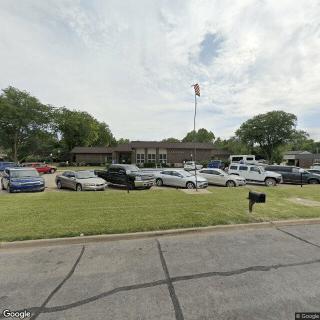



 Weight Training for Seniors: Building Strength and Vitality
 Understanding the Sandwich Generation: Stress and Responsibilities for Multigenerational Caregivers
 8 Essential Assistive Devices for Older Adults