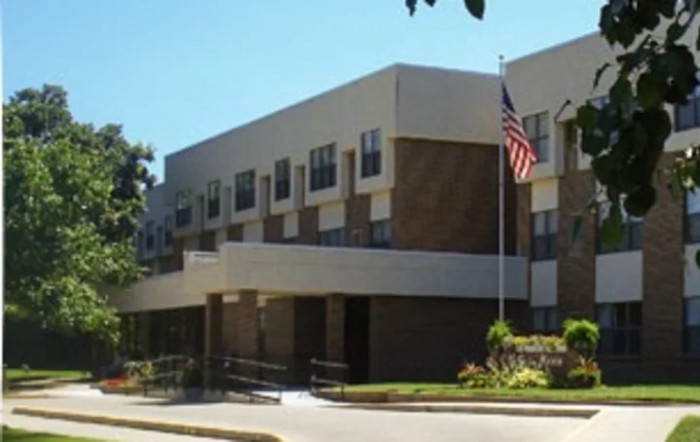


623 South 3Rd Street, Salina, KS 67401
For more information about senior living options: (866) 208-4318
Overall Review of Legacy At Salina
Pros
 The staff were excellent, very helpful, and kind.
- The care provided by Legacy at Salina’s staff was excellent; they took care of everything needed to help residents get back on their feet.
- There are many good employees who seem to care about residents.
- The staff were very professional.
- The staff were attentive to residents’ needs and to their families’ needs.
- They answered questions promptly and handled issues with professionalism and expediency.
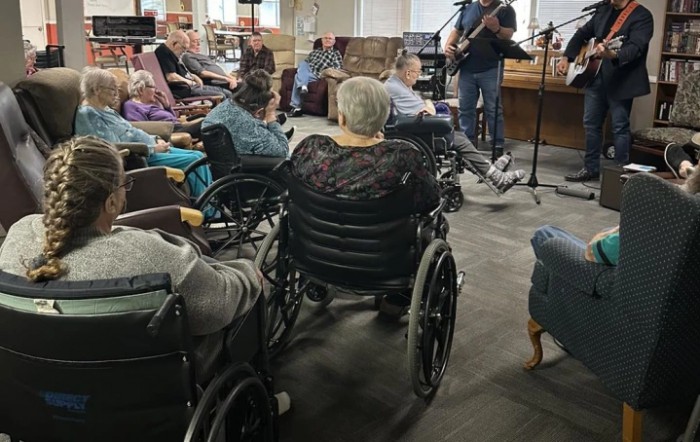
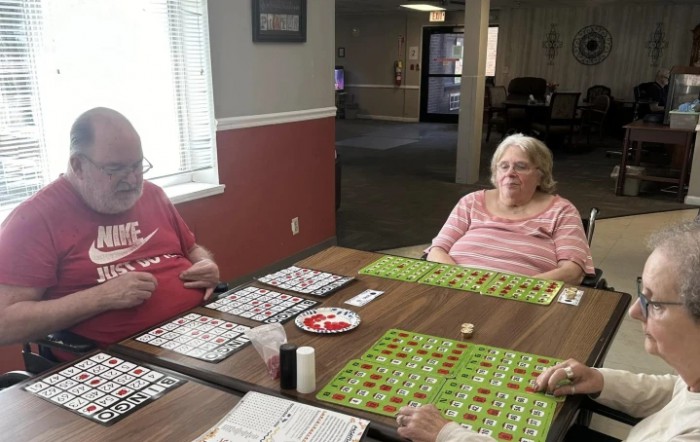
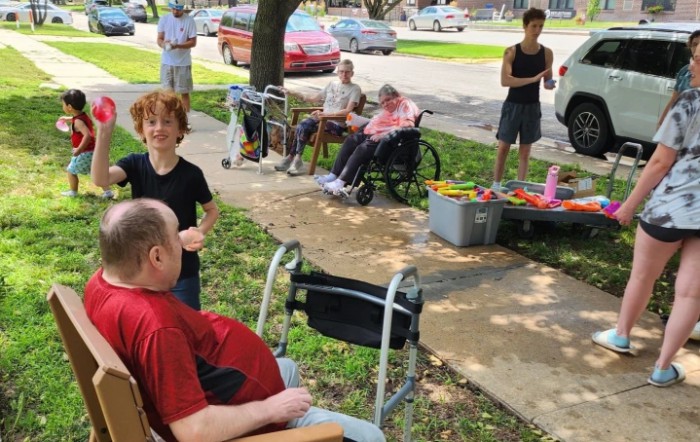
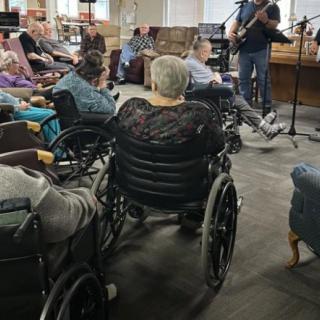
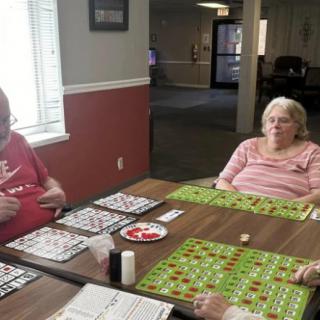
- The activities director was amazing.
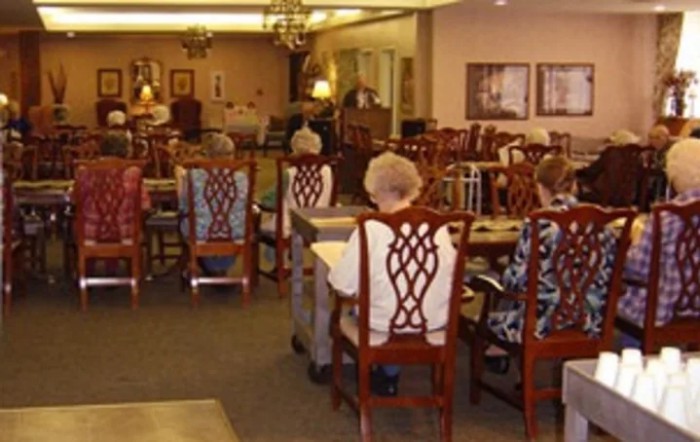
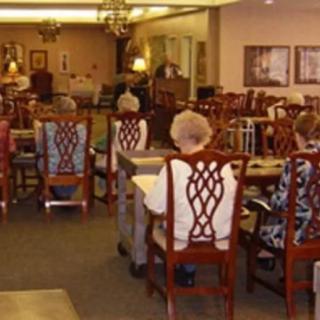
- They offered restaurant-style dining that allowed families to dine with residents.
Cons
 The facility is described as allowing too much to go on and treating residents poorly.
 - Staff are said to leave the place dirty and expect other staff to clean up the mess.
- There are concerns that behind-closed-doors issues are hidden and only selective information is disclosed.
- The way some staff talk to colleagues is described as sad.
- The place is claimed not to be the best in town, despite the impression given.
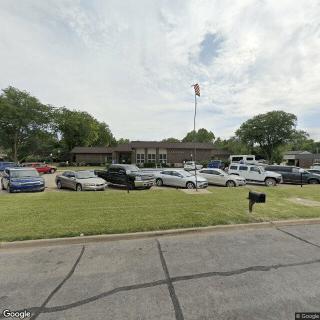
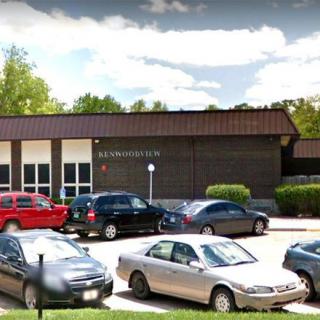
- Legacy employees reportedly park on the street, blocking spaces and not leaving enough room for other tenants.
- The designated employee parking lot is underused (only a couple of stalls taken) while staff park on the street.
- A resident was left unattended at the dining table for hours and later found in a distressed state.
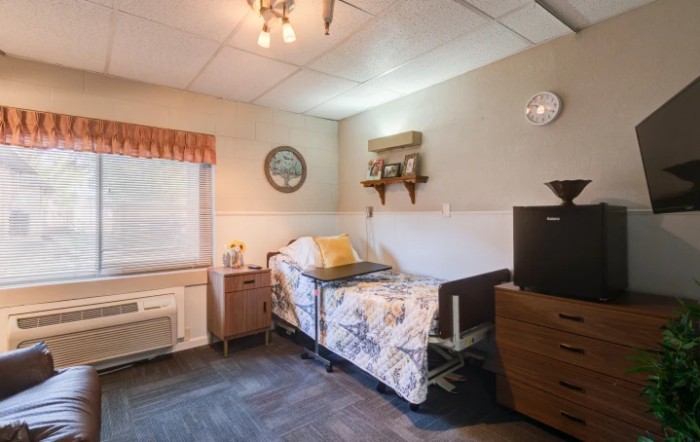
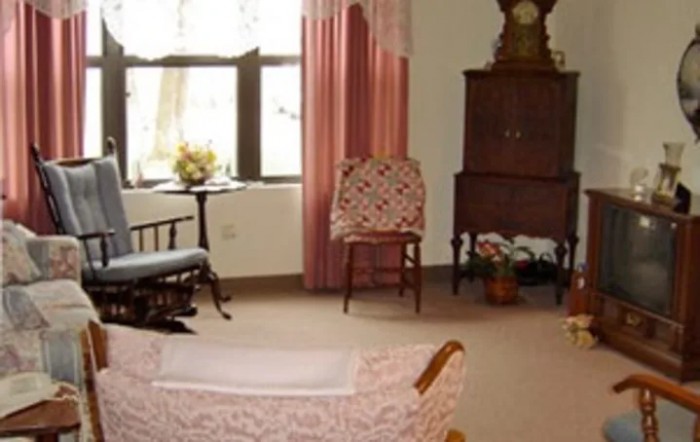
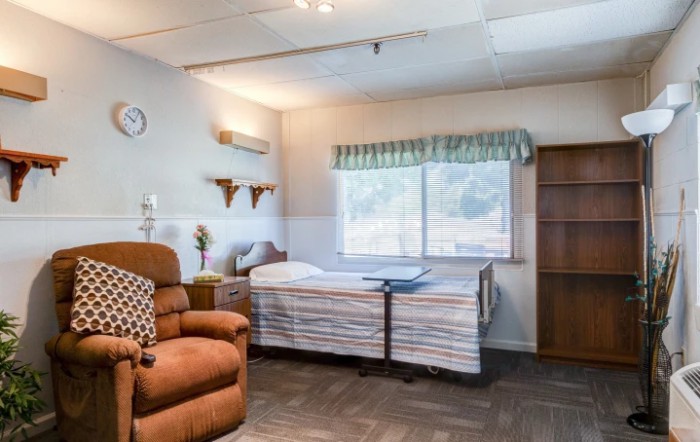
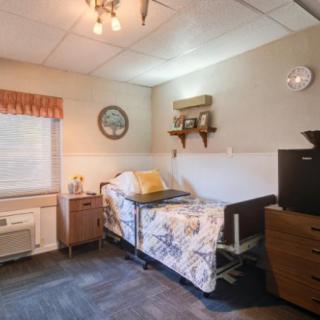
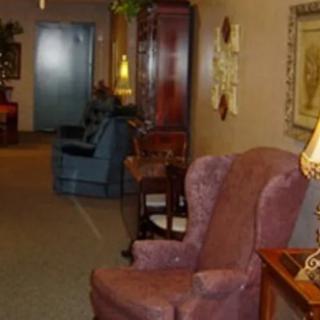
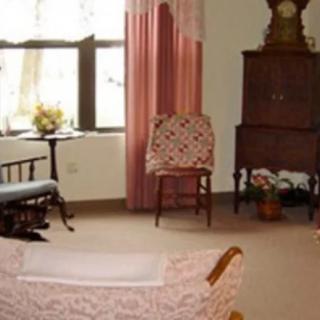
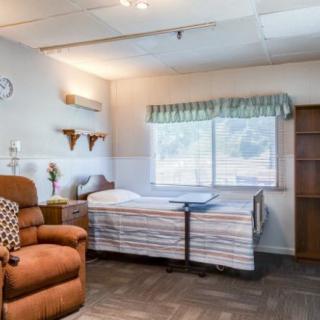
- The rooms are described as small.
- Most meals arrive cold by the time they are served.
Review
Legacy At Salina is best suited for families seeking a warm, relationship-driven care environment where staff build real, ongoing connections with residents and their relatives. The community tends to excel for long-term placement, offering care plans and regular updates that families can follow even from a distance. It rewards involvement, with opportunities for care conferences and direct access to caregivers, so relatives feel informed and engaged rather than shut out. For seniors who need steady assistance but do not require ultra-high acuity medical oversight, this setting can feel like a supportive, home-like home. Those prioritizing a modern, expansive facility or minimal parking friction may want to explore alternatives.
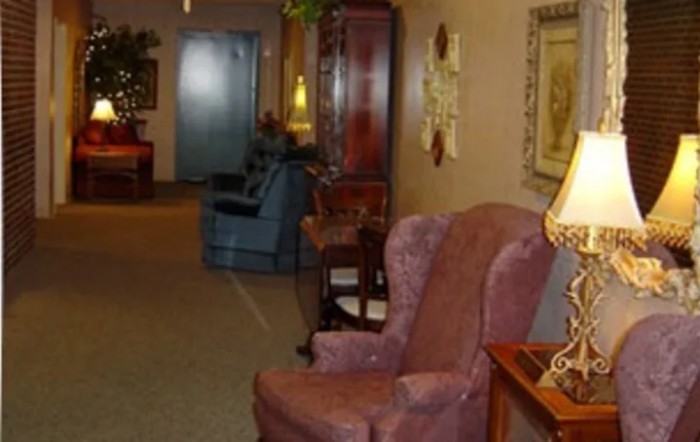
On the upside, the resident experience frequently centers on strong human connections. Multiple reviews praise the staff as attentive, professional, and genuinely kind, across nursing, dietary, housekeeping, and administration. The facility is described as clean, and many families say the care team feels like family, providing reassurance even when relatives are far away. Regular communication formats, including structured updates and family conferences, help keep everyone aligned on changes in health or medications. The dining experience is cited as a highlight, restaurant-style options and the ability to share meals with loved ones, along with an active activities program that supports social engagement and daily purpose.
Yet there are notable drawbacks that families must weigh. Several accounts raise concerns about how some staff interact with residents and about transparency in issue resolution. Perceptions of disrespectful language, inconsistent handling of problems, and a sense that not all information is disclosed promptly can erode trust if they prove representative. Operational gaps also surface: parking arrangements that push staff into public lots, occasional meals arriving cold, and at least one report of a resident being left unattended for an extended period. These factors don’t negate the positives, but they demand direct follow-up and clear expectations during tours and conversations with leadership.
The practical math of this community hinges on the balance between relational quality and operational hiccups. The relational strengths, competent, caring staff; meaningful family involvement; and reliable communication, can offset many risk factors for families who value a trustworthy, homey atmosphere and are willing to monitor day-to-day care. The dining and activities contribute to quality of life, especially for residents who thrive on social connection and routine. However, persistent concerns about interpersonal dynamics, transparency, and safety lapses are meaningful red flags for some families. For those who place safety, flawless execution, and unambiguous accountability at the top of their list, alternatives may deliver greater peace of mind.
Families considering other options should weigh whether the community’s relational strengths align with the resident’s needs and tolerance for occasional gaps. If robust safety oversight, consistent meal quality, and worry-free parking logistics are non-negotiable, it may be prudent to compare with facilities known for tighter operational reliability. Likewise, if there is heightened sensitivity to staff interactions or to transparent communication about issues, exploring other communities could reduce anxiety and simplify decision making. The key is a candid assessment of whether the emotional and social benefits truly compensate for the potential gaps in consistency and process.
Practical next steps are clear. Schedule a thorough in-person visit with a focus on observing mealtime dynamics, resident supervision, and front-line caregiver interactions. Request time with both caregiving staff and leadership to discuss turnover, incident handling, and your specific care plan. Review recent care conferences and ask how family input is incorporated into decisions. Inspect the facility for comfort, safety, and visitor access, including parking logistics. If impressions remain favorable after due diligence, lean into the established communication channels and the sense of family to shape a concrete, ongoing care plan. If concerns persist, keep surveying other communities until the fit aligns with expectations for safety, consistency, and clarity.
 45 resident community capacity
 Skilled Nursing Facility
 Beauty salon
 Cable or satellite TV
 Dining room
 Fully furnished
 Garden
 Housekeeping services
 Kitchenette
 Move-in coordination
 Outdoor space
 Restaurant-style dining
 Small library
 Telephone
 Wi-Fi/high-speed internet available
 24-hour call system
 Activities of daily living assistance
 Assistance with bathing
 Assistance with dressing
 Assistance with transfers
 Diabetes diet
 Medication management
 Mental wellness program
 Special dietary restrictions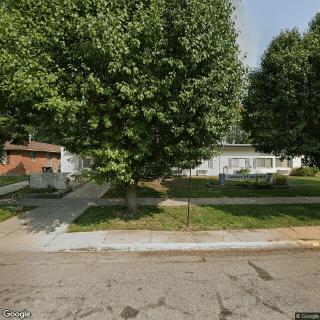



 California's Form 602A: An In-Depth Examination of Senior Care Assessment
 Comprehensive Look at Senior Blood Pressure Charts: Normal and Elevated Levels by Age
 Top Canine Companions for Older Adults