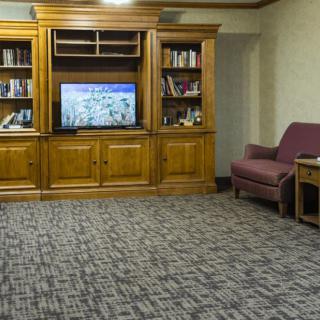
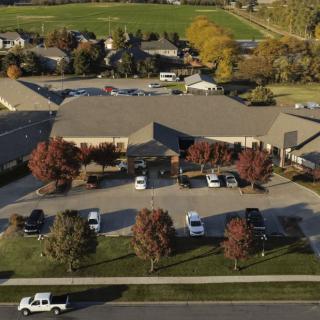
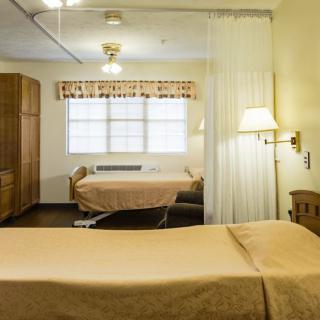
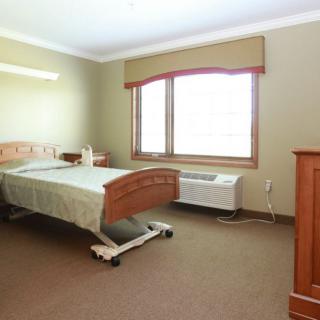
2825 Resort Drive, Salina, KS 67401
For more information about senior living options: (866) 208-4318
Overall Review of Holiday Resort Health & Rehab
Pros
 The rehab staff were warm and delivered excellent care.
- The husband was sad to leave because they looked after him so well.
- The facility was described as the cleanest the reviewer had seen and had the happiest residents.
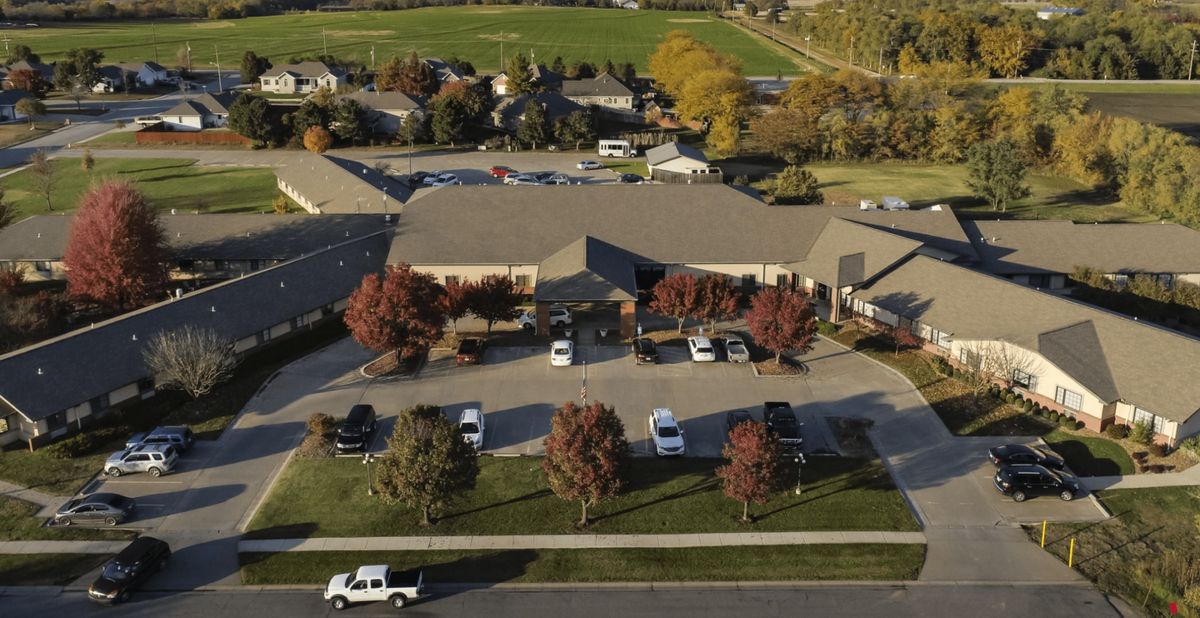
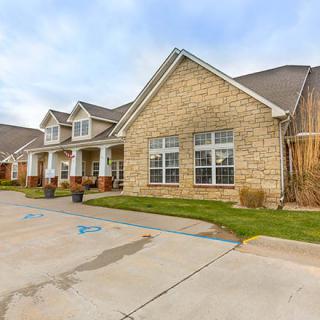
- The location was described as beautiful.
- Even with Covid and staff shortages, the care remained excellent.
Cons
 The facility experiences bedbug infestations every few months.
- Cleaning is mediocre at best.
- Residents are left sitting in recliner chairs drenched in urine and covered by bed pads.
- Call lights go unanswered for hours.
- Food is inedible and always late.
- Nurses refuse to get up from the desk when asked for help.
- Medication is not given on schedule and sometimes not given at all.
- The maintenance man does not live in town, raising safety concerns.
- The establishment does not have the fire alarms and security system it should have.
- The front office was open with no one there and personal and financial records were thrown everywhere.
Review
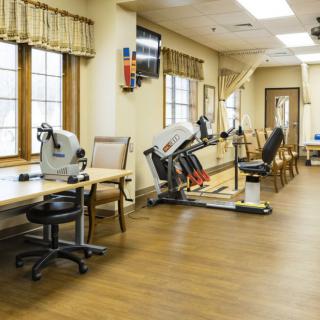
Holiday Resort Health & Rehab in Salina is best suited for families seeking a short-term rehab stay with a noticeably warm, attentive staff and a facility that, on good days, presents as clean and pleasant. It is not a one-size-fits-all option; the decision hinges on tolerance for inconsistent safety systems and uneven day-to-day operations. In practice, this community earns its strongest marks from people who prioritize the human touch during recovery, while accepting that some core safety and service benchmarks may not be consistently met.
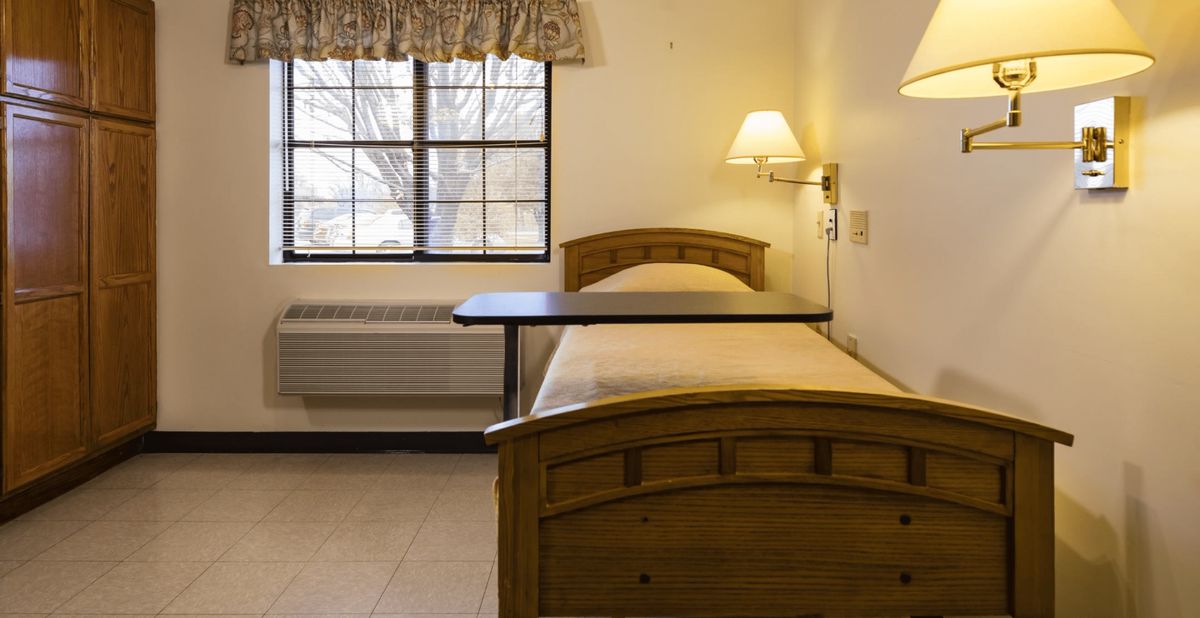
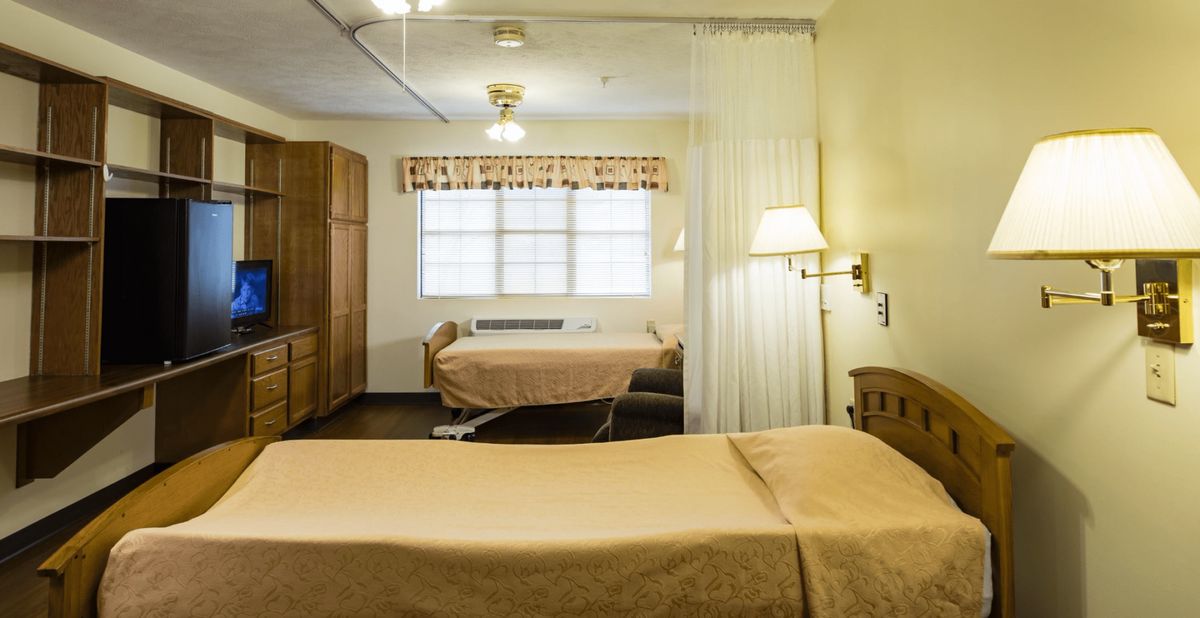
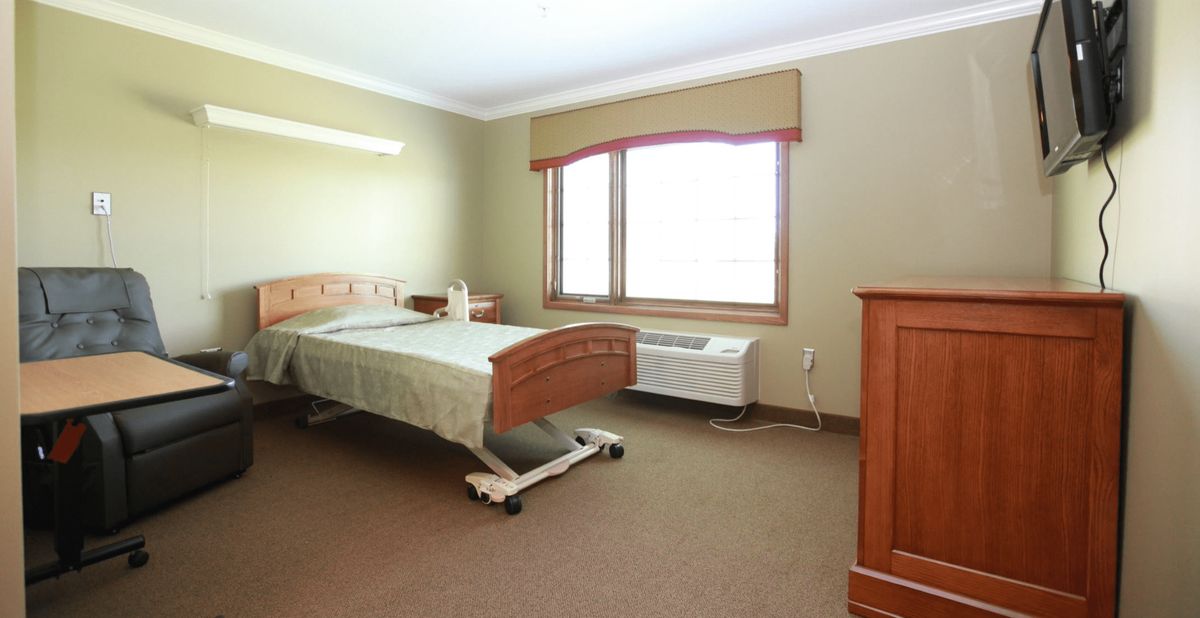
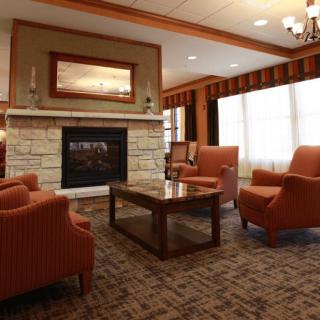
On the upside, several reviews highlight genuine warmth and engagement from frontline staff in rehab moments. One family described a husband’s two-month rehabilitation stay as shaped by kind, attentive caregivers who made the stay feel better despite challenges. A separate observation praised the facility as the cleanest they’d seen, with residents who appeared happy. These positive threads suggest that when care staff are present and engaged, residents can experience real comfort and therapeutic attention, a critical element for recovery-oriented stays.
However, the downsides are substantial and repeatedly documented, and they cannot be dismissed. Recurrent bed bug infestations every few months raise real concerns about pest control and ongoing comfort. Cleanliness is described as mediocre at best, with episodes of inappropriate patient care environments, residents left in chairs drenched in urine and medical supplies or bedding. Call lights go unanswered for hours, and medication timing can be erratic or incomplete. Food quality and timeliness are problematic for many residents, and the pattern of nurses staying seated at desks rather than assisting directly undermines daily care. These factors converge to create an atmosphere where safety and daily reliability feel inconsistent.
Safety and organizational shortcomings further undermine the appeal. Reports of fire alarms or security systems that are not up to standard, and a sense that administrative operations are chaotic or under-resourced, edge the facility away from what families should expect for long-term peace of mind. Privacy and record handling concerns, front office issues described as disorderly and HIPAA- or identity-theft-risk prone, compound the sense that the facility’s governance and day-to-day systems are not consistently robust. For families weighing long stays or complex needs, these red flags weigh heavily against Holiday Resort as a reliable long-term home.
The key question is whether the visible care and occasional cleanliness wins can compensate for the pervasive operational gaps. For a short rehab window where the goal is skilled, compassionate therapy and a positive caregiver presence, the facility can deliver meaningful value. But for families evaluating long-term living, safety-critical systems, consistent medication administration, reliable dining, and a predictable care routine matter far more. The pros, warm staff in moments of need and sometimes clean, pleasant surroundings, do not fully offset repeated, systemic cons that threaten daily safety and dignity.
Who should consider alternatives? Those with higher risk tolerance for operational volatility should approach cautiously, and families prioritizing rigorous safety, predictable staffing, and dependable, transparent administration should look elsewhere. If possible, compare with nearby facilities with stronger fire/safety records, steadier housekeeping, and consistently timely medication delivery. Prospective residents with prior bed bug experiences or sensitivities to cleanliness lapses will want to move quickly toward a facility with a documented, proactive pest control program and an unambiguous commitment to resident comfort and safety.
To make a well-supported decision, plan a targeted, on-site visit with a concrete checklist: current pest control status and remediation measures; recent fire/safety system testing and fire drill records; exact nurse-to-patient ratios on day and night shifts; a tour of a typical meal service and the kitchen; specific call-light response times; a review of medication administration processes and any recent scheduling lapses; room and bathroom cleanliness quality, including resident d rolling; HIPAA training and privacy practices at the front desk and during admissions. In short, demand evidence of sustained improvement in the most frequently cited problem areas. If the facility can demonstrate consistent improvements across cleanliness, safety systems, and timely care, it may warrant consideration for a short-term rehab plan. If not, families should pursue alternatives that better align with the non-negotiables of safe, reliable long-term living.
 80 resident community capacity
 Skilled Nursing Facility
 Air-conditioning
 Beauty salon
 Cable or satellite TV
 Computer center
 Dining room
 Fitness room
 Fully furnished
 Gaming room
 Garden
 Housekeeping services
 Kitchenette
 Move-in coordination
 Outdoor space
 Private bathrooms
 Restaurant-style dining
 Small library
 Telephone
 Wellness center
 Wi-Fi/high-speed internet available
 Community operated transportation
 12-16 hour nursing
 24-hour call system
 Activities of daily living assistance
 Assistance with bathing
 Assistance with dressing
 Assistance with transfers
 Diabetes diet
 Medication management
 Mental wellness program
 Special dietary restrictions
 Concierge services
 Planned day trips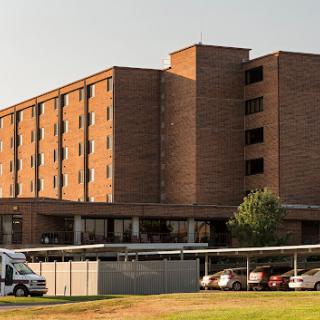




 8 Essential Assistive Devices for Older Adults
 Navigating the Financial Road to Nursing Home Care: In-Depth Guidance and Resources
 Supportive Employee Benefits That Help Caregivers Attain Better Work-Life Harmony