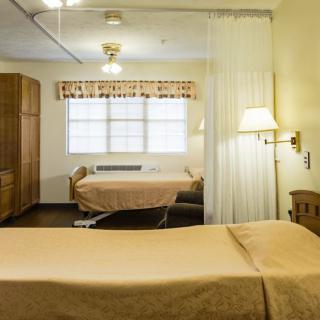
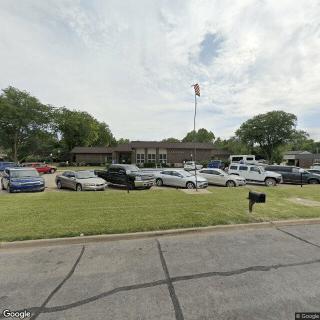
Presbyterian Manors VI in Salina, KS

Information last verified:

2601 East Crawford Street, Salina, KS 67401

For more information about senior living options: (844) 490-3973

3.9 from 27 reviews
5 stars
16
4 stars
4
3 stars
0
2 stars
2
1 stars
5

Overall Review of Presbyterian Manors VI

Pros

  • pro The staff are kind, compassionate, and dedicated to the residents’ well-being.
  • pro Residents recovering from surgery receive excellent care from nurses, aides, and the therapy team.
  • pro The Manor is a clean, welcoming community with a positive, breath-of-fresh-air vibe.
  • pro Families consistently note that staff treat loved ones with respect and even like family.
  • pro The therapy and activities programs are engaging, supportive, and designed to help residents thrive.
  • pro The Manor has a long-standing reputation for compassionate care and devoted staff.

Cons

  • pro Most staff were unkind, lacked compassion and treated most patients as less than human.
  • pro They were not willing to provide individualized care for the patients.
  • pro The Manor is in decline, with subpar food services and staff leaving one right after another; not a top-notch facility.
  • pro There was not enough staff to meet the needs of the patients, and staff were not always pleasant or responsive.
  • pro On more than one occasion their calls for help were not answered.
  • pro Food from the dining room leaves plenty of opportunity for improvement.
  • pro There was a lack of employee training, accountability and understaffing compared to years past.

Review

Presbyterian Manor in Salina is best suited for families seeking a warm, relationship-driven senior living home where rehabilitation, memory care, and long-term care come together under one roof. The community earns its strength from a consistent, caring staff and a family-like atmosphere that many families describe as a lifeline during transitions. It works particularly well for residents who value accessible therapy services, dependable nursing attention, and opportunities to stay socially engaged through activities and communal dining. For those who want a campus that supports aging in place, from independent living through healthcare, this is a viable option when the core appeal is trust, continuity, and personal connections.

But there are clear caveats that potential movers should weigh. Alternatives merit consideration for families prioritizing 24/7, rock-solid staffing reliability, consistently high-quality meals, and uniformly responsive care. Some reviews flag staffing shortages, uneven responsiveness to calls for help, and notable turnover that can disrupt daily routines. For residents who require very consistent, high-frequency assistance or who are especially sensitive to dining quality, exploring other options with stronger assurances in these areas is prudent. Additionally, those seeking a more modern facility experience or a location with different amenities may find other communities more aligned with their preferences.

The strongest positives are practical and enduring: compassionate, often lengthy engagement from the nursing and therapy teams; a clean, well-maintained environment; and a wealth of activities that promote social connection and physical well-being. Several families describe staff who treat residents with respect, celebrate milestones in meaningful ways, and help with smooth transitions across care levels, an essential factor for families navigating dementia care or post-acute rehabilitation. The therapy program is repeatedly highlighted as motivating and professional, with residents, whether recovering or aging in place, feeling supported in reaching personal goals. In many cases, the atmosphere itself, friendly, welcoming, and anchored by long-tenured staff, contributes to a sense of peace for both residents and families.

Another recurring strength is the sense of community that grows over years. Families report trust built through consistent, attentive care, with staff remembering residents’ preferences, dietary needs, and routines. The facility’s spectrum, from independent living to assisted living, memory care, and health care, offers a coherent path for aging in place, which reduces the stress of relocation as care needs increase. Personal touches, like staff going the extra mile or families noticing genuine, ongoing investment in a loved one’s happiness, add up to a living environment that many describe as supportive and, for some, transformative.

However, the negative threads cannot be ignored. Several reviews point to uneven staffing levels and delayed responses, which can erode confidence in 24/7 care. Food quality and consistency are mentioned as areas needing improvement, and some families report turnover that disrupts continuity of care. There are also notes of frustration where communication between staff, families, and, at times, management appears fragmented. While these concerns are not universal, they represent real risk factors that influence daily life, especially for residents with high medical or emotional needs. Any evaluation should includes direct questions about current staffing ratios, response times, and how dining services are managed and monitored.

The bottom-line guidance is practical and decisive: Presbyterian Manor is a solid choice for families who prize a heartfelt, community-centric environment with strong rehab and long-term care capabilities, and who are prepared to monitor staffing stability and meal quality over time. Those who cannot tolerate frequent gaps in response or who require consistently exemplary dining and 24/7 vigilance should weigh other options more heavily. Prospective families should request current staffing metrics, observe a meal service, tour the therapy gym, and speak with several current residents and relatives to gauge whether the daily rhythm matches the care expectations. This community rewards patience and engagement with meaningful relationships, but it asks for vigilance in areas that, if misaligned, can significantly impact daily safety and satisfaction.

Features

Housing

  • 50 resident community capacity 50 resident community capacity

Types of Care

  • Assisted Living Assisted LivingAssisted living facilities provide crucial support and care for seniors who may need help with daily tasks such as medication management, bathing, and meal preparation. These communities offer a safe and comfortable environment where seniors can maintain their independence while receiving the assistance they need to thrive in their golden years.
  • Continuing Care Retirement Community (CCRC) Continuing Care Retirement Community (CCRC)Continuing Care Retirement Communities (CCRCs) are important for seniors because they provide a range of housing options and care services all in one location. This allows seniors to age in place and receive the level of care they need as their health changes, without having to move to a new facility. CCRCs provide a sense of security and peace of mind for seniors and their families, knowing that they will be taken care of no matter what the future holds.
  • Skilled Nursing Facility Skilled Nursing FacilitySkilled Nursing Facilities are crucial for seniors as they provide round-the-clock medical care, rehabilitation services, and assistance with daily activities. These facilities ensure that seniors receive the specialized care they need to maintain their health and well-being as they age.

Amenities

  • Beauty salon Beauty salonBeauty salons are important for seniors because they provide a space for them to feel pampered, socialize, and maintain their personal grooming and hygiene. Regular visits to a beauty salon can help boost seniors' self-esteem and overall well-being.
  • Cable or satellite TV Cable or satellite TVCable or satellite TV is important for seniors because it provides entertainment, news, and companionship, helping to combat loneliness and boredom. It also offers a wide range of programming options tailored to different interests and preferences.
  • Dining room Dining roomDining rooms are important for seniors as they provide a space for socialization, connection, and nutritious meals. They offer opportunities for residents to bond over shared meals, foster a sense of community, and promote healthy eating habits. Dining rooms also ensure that seniors have access to well-balanced meals tailored to their dietary needs and preferences.
  • Fully furnished Fully furnishedFully furnished senior living communities are important for seniors because they provide convenience, comfort, and a hassle-free moving experience. Seniors can easily settle into their new living space without the stress of having to buy and move furniture. This allows them to focus on enjoying their new home and community.
  • Garden GardenGardens are important for seniors as they provide a peaceful and therapeutic environment for relaxation, physical activity, and socialization. Being in nature has been shown to reduce stress, improve mood, and promote overall well-being. Gardens also offer opportunities for seniors to engage in gardening activities, which can improve mobility, flexibility, and cognitive function. Additionally, gardens create a sense of community and connection with others who share a passion for plants and outdoor spaces.
  • Housekeeping services Housekeeping servicesHousekeeping services are important for seniors because they help maintain a clean and safe living environment, promote independence, and reduce the risk of accidents or illnesses. Additionally, having assistance with household chores can alleviate physical strain and allow seniors to focus on other aspects of their well-being.
  • Kitchenette KitchenetteKitchenettes are important for seniors living in senior living communities because they provide the convenience and independence of being able to prepare simple meals and snacks in the comfort of their own living space. This can help promote a sense of autonomy and well-being for seniors, allowing them to maintain some level of control over their dietary choices and daily routines.
  • Move-in coordination Move-in coordinationMove-in coordination is important for seniors because it helps ease the transition into their new living environment. It ensures that all logistics, such as packing, organizing movers, and setting up utilities are taken care of, allowing seniors to focus on settling in and adjusting to their new home. Having a smooth move-in process can alleviate stress and anxiety, making the transition smoother and more enjoyable for seniors.
  • Outdoor space Outdoor spaceOutdoor spaces are important for seniors as they provide opportunities for physical activity, social interaction, exposure to natural light and fresh air, and a sense of connection to nature. Having access to outdoor spaces can improve overall well-being and quality of life for older adults living in senior communities.
  • Telephone TelephoneTelephones are important for seniors as they provide a lifeline for communication with loved ones, emergency services, and healthcare providers. They offer a sense of security and independence, enabling seniors to stay connected and access assistance when needed.
  • Wi-Fi/high-speed internet available Wi-Fi/high-speed internet availableWi-Fi/high-speed internet is important for seniors to stay connected with loved ones, access online resources, and participate in virtual activities to combat feelings of loneliness and isolation. It also allows them to easily manage healthcare needs, access entertainment, and engage in lifelong learning opportunities.

Care Services

  • 24-hour call system 24-hour call system24-hour call systems are important for seniors because they provide peace of mind and immediate assistance in case of emergencies. This technology ensures that help is always available, promoting safety and security for elderly individuals living alone or in assisted living facilities.
  • 24-hour supervision 24-hour supervision24-hour supervision is important for seniors to ensure their safety, well-being, and access to immediate assistance in case of emergencies or health issues. This constant support provides peace of mind for both seniors and their loved ones, allowing them to age in place with dignity and security.
  • Activities of daily living assistance Activities of daily living assistanceActivities of daily living assistance are important for seniors because they provide essential support with tasks such as eating, bathing, dressing, and mobility. This assistance helps seniors maintain their independence, dignity, and overall quality of life as they age.
  • Assistance with bathing Assistance with bathingAssistance with bathing is crucial for seniors as it helps maintain personal hygiene, prevents infections, and ensures their overall well-being and comfort. It also provides a sense of dignity and independence for seniors who may struggle with this task on their own.
  • Assistance with dressing Assistance with dressingAssistance with dressing is important for seniors because it helps maintain their independence, promotes personal hygiene, prevents accidents and injuries, and improves overall quality of life. This service ensures that seniors can continue to dress comfortably and confidently, despite any physical limitations they may have.
  • Assistance with transfers Assistance with transfersAssistance with transfers is crucial for seniors as it helps prevent falls and injuries, maintains their independence, and ensures they can safely navigate their living environment. It also provides peace of mind for both seniors and their loved ones.
  • Coordination with health care providers Coordination with health care providersCoordination with health care providers is crucial for seniors to ensure proper medical care, medication management, and overall well-being. This collaboration helps prevent overlapping treatments, track progress more effectively, and provide comprehensive support tailored to individual needs.
  • Diabetes diet Diabetes dietA diabetes diet is crucial for seniors as it helps manage blood sugar levels, reduce risks of complications, and improve overall health and well-being. By following a balanced and nutritious diet tailored to their specific needs, seniors can better control their diabetes and enhance their quality of life.
  • Meal preparation and service Meal preparation and serviceMeal preparation and service are crucial for seniors as they may have limited mobility or energy to cook nutritious meals. Having access to healthy and convenient food options can ensure they are getting the proper nutrition needed to maintain their overall health and well-being.
  • Medication management Medication managementMedication management is crucial for seniors to ensure they are taking the right medications at the correct dosages and times. This helps prevent adverse drug interactions, reduces the risk of medication errors, and promotes overall health and well-being. Proactive management also allows for adjustments as needed based on changing health conditions or new prescriptions.
  • Mental wellness program Mental wellness programMental wellness programs are essential for seniors as they promote cognitive stimulation, emotional support, and social engagement. These programs help prevent isolation, depression, and cognitive decline, ultimately enhancing the overall quality of life for older adults.
  • Special dietary restrictions Special dietary restrictionsSpecial dietary restrictions are important for seniors because age-related changes in metabolism and health conditions can make it difficult for their bodies to process certain foods. By following a diet tailored to their specific needs, seniors can maintain their overall health and well-being, manage chronic conditions, and reduce the risk of complications such as malnutrition or food interactions with medications.
  • Transportation arrangement (medical) Transportation arrangement (medical)Transportation arrangements for medical purposes are essential for seniors as they may have difficulty driving themselves to appointments or accessing public transportation. Having reliable and safe transportation options ensures that seniors can receive timely medical care and maintain their health and well-being.
  • Transportation to doctors appointments Transportation to doctors appointmentsTransportation to doctors' appointments is crucial for seniors as it ensures they have access to necessary medical care and support for their health needs. Without reliable transportation, seniors may struggle to attend important appointments, leading to potential delays in treatment and health complications. Providing transportation services helps seniors maintain their overall well-being and quality of life.
Dining

  • Diabetes diet Diabetes dietA diabetes diet is crucial for seniors as it helps manage blood sugar levels, reduce risks of complications, and improve overall health and well-being. By following a balanced and nutritious diet tailored to their specific needs, seniors can better control their diabetes and enhance their quality of life.
  • Special dietary restrictions Special dietary restrictionsSpecial dietary restrictions are important for seniors because age-related changes in metabolism and health conditions can make it difficult for their bodies to process certain foods. By following a diet tailored to their specific needs, seniors can maintain their overall health and well-being, manage chronic conditions, and reduce the risk of complications such as malnutrition or food interactions with medications.

Activities

  • Community-sponsored activities Community-sponsored activitiesCommunity-sponsored activities are important for seniors as they provide opportunities for social interaction, mental stimulation, and physical activity. These activities can help improve overall well-being, combat loneliness and isolation, and promote a sense of belonging and purpose among older adults.
  • Scheduled daily activities Scheduled daily activitiesScheduled daily activities are important for seniors because they provide structure, socialization, mental stimulation, and physical activity. Engaging in regular activities can improve overall well-being and quality of life for seniors living in a community setting.

Description

Presbyterian Manors VI is an assisted living community located in Salina, KS. This community offers a range of care services, including Continuing Care Retirement Community (CCRC) and Skilled Nursing Facility options.

Residents at Presbyterian Manors VI can enjoy various amenities such as cable or satellite TV, a dining room, fully furnished accommodations, a garden area, housekeeping services, a kitchenette, and access to outdoor spaces. They also have access to telephone and Wi-Fi/high-speed internet services.

The care services provided at this community include 24-hour supervision, assistance with activities of daily living such as bathing and dressing, assistance with transfers, coordination with health care providers, specialized diabetes diets, medication management, and meal preparation and service. There is also a mental wellness program available for residents.

Presbyterian Manors VI ensures that residents with special dietary restrictions are catered to in their dining options. Additionally, scheduled daily activities are organized to engage and entertain the residents.

This community boasts excellent proximity to various amenities in the area. Residents can find 3 cafes, 2 parks, 4 pharmacies, 34 physicians nearby for medical needs, 36 restaurants for dining out options, 2 transportation options for convenience,and 17 places of worship nearby for spiritual needs. In case of any medical emergencies or treatments required outside the community's scope of care services,a hospital is within close proximity.

Overall Presbyterian Manors VI provides comfortable assisted living accommodations and a comprehensive range of care services that cater to the unique needs of each resident.

Nearby Places of Interest

Physicians

  • Central Care Cancer Center (0.4 miles)
  • Drs Driver and Clark (1.5 miles)
  • Linda M Lawrence (1.6 miles)
  • Great Plains Periodontics (1.7 miles)
  • Occupational Health Partners (1.7 miles)
  • Comcare (1.7 miles)
  • Occupational Performance Corporation (1.7 miles)

Parks

  • Oxbow Park (1.4 miles)
  • Lakewood Park Natural Area (1.9 miles)

Restaurants

  • Bravo Sliders-n-Bites (1.6 miles)
  • Gourmet to go & Loft Catering (1.6 miles)
  • McDonald's (1.6 miles)
  • La Curva (1.7 miles)
  • Imperial Garden Express IV (1.8 miles)
  • Taco Bell (1.8 miles)
  • Jimmy John's (1.9 miles)

Pharmacies

  • CVS Pharmacy (1.6 miles)
  • Key Rexall Health Mart Pharmacy (1.7 miles)
  • B & K Prescription Shop (2.3 miles)
  • Walgreens (3.3 miles)

Places of Worship

  • Emmanuel Foursquare Church (1.8 miles)
  • Cornerstone Community Church (1.9 miles)
  • Salina First Free Methodist (1.9 miles)
  • Presbytery of Northern Kansas (2 miles)
  • First Covenant Church (2 miles)
  • Joseph Sisters of Saint (2.2 miles)
  • Seventh-Day Adventist Church (2.5 miles)

Cafes

  • Coffee Cafe (2 miles)
  • Scooters Coffee (2.2 miles)
  • Panera Bread (3.3 miles)

Hospitals

  • Morrison House (2.6 miles)

Transportation

  • Bobs Creative Taxidermy (2.8 miles)
  • Bob's Creative Taxidermy (2.9 miles)

Theaters

  • AMC CLASSIC Salina 1 (3.1 miles)

Frequently Asked Questions

Where is Presbyterian Manors VI?

Nearby Communities

  • Salina Presbyterian Manor

    Salina Presbyterian Manor

    Salina, KS

    4.3 from 50 reviews
     

    pro Compassionate staff, engaging activities, and well-maintained facilities.

  • Sterling Cottage

    Sterling Cottage

    Salina, KS

    4.8 from 31 reviews
     

    pro Off-site devotional services and welcoming indoor common areas.

  • Brookdale Salina Fairdale

    Brookdale Salina Fairdale

    Salina, KS

    4.8 from 130 reviews
    $3,975 to $4,540 / month

    pro Welcoming staff with a caring, active community and good dining.

  • Holiday Resort Health & Rehab

    Holiday Resort Health & Rehab

    Salina, KS

    3.5 from 11 reviews
     

    pro Extensive on-site amenities with 24/7 care and restaurant-style dining.

  • Dignity Care Home

    Dignity Care Home

    Salina, KS

    3.9 from 10 reviews
     

    pro 24/7 supervision with ADL assistance, medication management, and diabetes-friendly dining.

  • Kenwoodview Health and Rehabilitation

    Kenwoodview Health and Rehabilitation

    Salina, KS

    3.7 from 73 reviews
     

    pro Clean, well-maintained facility with helpful staff and noticeable rehab progress.

  • Eaglecrest Retirement Community

    Eaglecrest Retirement Community

    Salina, KS

    4.7 from 18 reviews
    $2,310 to $3,090 / month

    pro Friendly, responsive staff in a clean, well-maintained community with engaging activities.

Related Resources

  • independent living vs assisted livingExploring the Path to Senior Living: A Comprehensive Look at Independent Living and Assisted Living

    The article examines senior housing options, detailing the distinctions between independent living and assisted living, along with the emerging "independent assisted living" model that blends both approaches. It highlights the importance of assessing individual needs, preferences, and financial factors in making informed decisions about suitable living arrangements for seniors.

  • is assisted living tax deductibleIs Assisted Living Deductible on Your Taxes? Understanding the Complexities of Assisted Living Expenses and Deductions

    The deductibility of assisted living expenses on taxes hinges on factors like the individual's medical condition and service nature, typically requiring the resident to be "chronically ill" per IRS definitions. Taxpayers may deduct eligible medical expenses related to personal care services but generally not rent unless primarily for medical care, and they should maintain thorough documentation to support claims while considering itemizing versus standard deductions.

  • va benefits for assisted livingAssisted Living Support for Veterans: A Complete and Detailed Overview

    The guide highlights the importance of assisted living facilities for aging veterans needing daily support, discusses unique challenges they face, and outlines available financial assistance from the VA, including the Aid and Attendance program. It emphasizes understanding eligibility criteria and navigating the VA system to access necessary benefits effectively.