
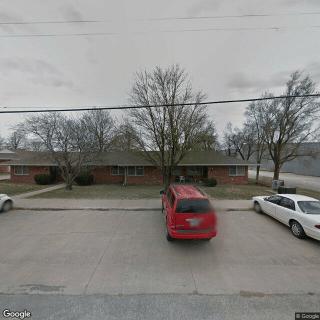
535 South Freeborn, Marion, KS 66861
For more information about senior living options: (866) 208-4318
Overall Review of St Luke Living Center
Pros
 The staff provided excellent care and communicated with the family through her final days.
- Mom receives good care.
- The staff are attentive to residents and visitors.
- The facilities are truly fantastic.
- The environment is very clean and inviting.
Review
St Luke Living Center in Marion, Kansas, is best suited for families seeking steady, compassionate care in a clean, welcoming setting where communication with loved ones is dependable and visible in daily practice. The facility earns affirmation from three independent positive verdicts, all awarding five-star impressions, which signals a consistent baseline of quality in everyday caregiving, atmosphere, and staff responsiveness. This is not a place for those chasing high-drama programming or niche medical specialization; it is a practical, reliable home for seniors who require regular assistance, friendly social contact, and transparent updates to families.
The core strength here is the caregiving staff’s attentiveness and reliability. Reviews repeatedly highlight good, attentive care that aligns with residents’ needs, coupled with meaningful, ongoing communication with family members. In the most pivotal moments, such as the decline in a loved one’s health, the staff’s steadiness and willingness to keep families informed become a decisive comfort. This is not superficial friendliness; it translates into predictable routines, timely assistance with activities of daily living, and a general sense that caregivers know each resident’s preferences and concerns. For families who prize consistent caregiver engagement and visible accountability, this is a decisive advantage.
Cleanliness and an inviting physical environment reinforce the caregiving quality. The facility is described as very clean and welcoming, with an atmosphere that feels cared for and home-like rather than clinical. An environment that looks, smells, and feels well maintained reduces stress for residents and relieves family members of constant worry about basic standards. When walking through a place is part of the positive experience, rather than a compromise, it amplifies trust in the daily operations and in the people responsible for day-to-day welfare. The combination of tidy spaces, well-kept common areas, and a comfortable resident-centric setting matters as much as any specific care protocol, because it underpins every interaction, from meals to leisure to personal assistance.
The social and community dimension also stands out. The sentiments expressed about the residents’ camaraderie and the overall vibe suggest a space where people who value a sense of belonging will thrive. The residents appear to form a friendly, accepting milieu, and the staff are perceived as welcoming to visitors as well as residents. This matters greatly for families who cannot be on-site constantly; a warm, intact community with accessible staff means updates and involvement remain practical, not burdensome. In such environments, meaningful social engagement tends to accompany dependable care, reducing isolation risks and supporting emotional well-being, factors that often become decisive in choosing a long-term home.
No explicit negatives surface in these accounts, which means the strongest cons are effectively neutralized by the demonstrated pros. However, this absence should not translate into complacency. For families with more complex medical needs, such as advanced wound care, high-acuity monitoring, or specialized memory support, the plain-language strength of staff communication becomes especially critical, and it’s prudent to verify that the level of medical oversight and therapy services meets current requirements. Likewise, those seeking a broader array of programming, more extensive therapeutic options, or a campus with greater capacity may want to compare other communities in the region. Alternatives may offer enhanced specialty services or different activity rosters, depending on the health trajectory and personal preferences of the resident.
In practical terms, this is a decision shaped by clear, steady care, clean and welcoming surroundings, and a communal atmosphere that supports both residents and their families. Prospective movers should inquire about staffing ratios during peak hours, frequency and format of family updates, and the specific routines that translate “great care” into day-to-day living, meals, mobility assistance, medication management, and the availability of social or spiritual programming. Questions about how care plans adapt to changing health needs, how goals of care are communicated to families, and how transitions between levels of support are managed will reveal how well St Luke Living Center aligns with individual expectations. For families entering this decision with a priority on dependable, compassionate care in a warm, tidy home setting, the choice is compelling.
Ultimately, St Luke Living Center presents a practical, well-rounded option for seniors whose needs revolve around reliable caregiving, transparent family communication, and a peaceful, neighborly environment. The strongest case rests on attentive staff, clean facilities, and a resident-centered culture that makes daily life smoother for both residents and their families. Those whose priorities include highly specialized medical supervision, expansive enrichment programs, or a large-scale campus with a broader menu of amenities may want to explore alternatives to ensure a perfect fit. For many households navigating care planning, this community offers a solid, experience-backed path forward, one that prioritizes dignity, clarity, and quiet consistency in the daily rhythms of aging in place.
 32 resident community capacity
 Skilled Nursing Facility
 Beauty salon
 Cable or satellite TV
 Dining room
 Fully furnished
 Garden
 Housekeeping services
 Kitchenette
 Move-in coordination
 Outdoor space
 Restaurant-style dining
 Small library
 Telephone
 Wi-Fi/high-speed internet available
 24-hour call system
 Activities of daily living assistance
 Assistance with bathing
 Assistance with dressing
 Assistance with transfers
 Diabetes diet
 Medication management
 Mental wellness program
 Special dietary restrictions




 Seniors and Modern Transportation: Exploring Uber, Lyft, and Other Ride-Hailing Options
 Comprehensive Guide to Qualifying for Home Health Care Services
 Powerful Realities of Elder Abuse and the Most Effective Ways to Report It