200 North Eisenhower Road, Marion, KS 66861
For more information about senior living options: (866) 208-4318
Marion Assisted Living Costs & Pricing
Marion Assisted Living offers competitive pricing for its residents, particularly when compared to the broader market rates in Marion County and across Kansas. For a studio apartment, the monthly cost is $3,125, which is significantly lower than the county average of $3,842 and the state average of $4,094. Similarly, for a one-bedroom unit, Marion Assisted Living charges $3,325, which not only undercuts the county's rate of $3,864 but also remains on par with the state average of $3,859. These pricing structures reflect a commitment to providing affordable options while maintaining quality care and services within a welcoming community setting.
| Floor plans | Marion Assisted Living | Marion County | Kansas |
|---|---|---|---|
| Studio | $3,125 | $3,842 | $4,094 |
| 1 Bedroom | $3,325 | $3,864 | $3,859 |
Overall Review of Marion Assisted Living
Pros
 The staff are very caring and consistently go above and beyond to meet residents' individual needs.
- Communication with families is strong, and staff often exceeds expectations.
- Families feel confident and positive about their loved ones being in Marion Assisted Living.
- The facility’s small, family-oriented environment fosters meaningful connections among staff, residents, and families.
- The staff handle challenging situations with exceptional care and compassion.
- Residents enjoy engaging social, recreational, and wellness activities provided by the facility.
- Marion Assisted Living is highly recommended for those seeking a caring, home-like setting for loved ones.
Cons
 There are sometimes difficulties in finding new employees to replace those who have moved on.
- The parents wish their apartment were a little larger.
- The reviewer rated the food a four and felt inflation makes it difficult for the staff.
- One resident was described as a difficult patient who knew best how to manage his health and medications.
Review
Marion Assisted Living is best suited for seniors who prize a small, home-like atmosphere where staff develop steady, personal relationships with residents and families. The community excels for those who value social engagement, gentle wellness programming, and dependable daily care without the complexities of a larger campus. It works well as a long-term home or as a comfortable recuperation stop after illness, with residents often describing staff as genuinely caring and attentive. The stories of parents, spouses, and even a final-years caregiver highlight a culture built on connection and a dependable, present caregiving staff. In short, Marion Assisted Living fits families seeking warmth, familiarity, and a tightly knit care team over sprawling amenities.
Those evaluating alternatives should note that the setting is intentionally small. This size enables intimate relationships and highly personalized attention, but it also means fewer staff to rely on when turnover occurs and occasional variability in daily coverage. For households with higher medical needs, the most advanced memory support, or requirements for very large private living spaces, the fit may be less ideal. One resident’s wish for a larger apartment underscores space limitations, while inflationary pressures affecting food quality reflect broader operational constraints. For families prioritizing extensive clinical oversight or a more expansive campus vibe, exploring options with broader staffing and larger facilities could be prudent.
Yet the upside is substantial. The strongest advantages center on authentic, connection-driven care and clear, proactive communication. Staff are consistently described as caring and willing to go above and beyond for individual residents, and families repeatedly value the transparency they receive. Residents benefit from engaging social calendars, exercise and wellness activities, and the sense that caregivers know their routines and preferences. The ability of the staff to stay connected with families during transitions or crises, moving a loved one from hospital back to the facility and coordinating care, provides continuity that cushions the impact of inevitable staffing gaps.
End-of-life care is another defining strength. Across accounts, staff are celebrated for compassion and steady support during final years, easing the burden on families and ensuring dignity in difficult moments. The small-team dynamic fosters a family atmosphere where residents are treated as individuals with histories, preferences, and needs. Even challenging personalities, such as highly independent residents or those with strong medical knowledge, receive patient management and thoughtful handling. The consistent presence of a dependable team during critical transitions reinforces the sense that Marion Assisted Living is a humane, person-centered home rather than a clinical stopover.
Food and space represent the most tangible trade-offs. While inflation pressures have touched the dining experience, and apartments are not oversized, the core appeal remains: a staff-driven culture of care and a cohesive community. The kitchen staff typically respond with attentiveness, and meals stay functional within a small facility framework. These practical frictions do not erase the overarching strengths, genuine caregiver dedication, meaningful resident relationships, and a stable routine, that many families prize above glamorous amenities. For households prioritizing daily life quality and a secure, homelike rhythm, these factors often outweigh the drawbacks.
Decision-makers should view Marion Assisted Living as an excellent match for families seeking an intimate, compassionate environment where staff know residents by name and daily life centers on quality of life and steady oversight. It is particularly compelling for those wanting end-of-life or post-hospital recovery support delivered with dignity and warmth. Families needing larger apartments, more extensive clinical services, or a broader campus should consider alternatives. A practical next step is to engage with staff about turnover strategies, individualized care plans, medication management processes, and sample daily schedules to ensure alignment with the loved one’s priorities and expectations.
 22 resident community capacity
 Assisted Living
 Activities on-site
 Beauty salon
 Cable or satellite TV
 Devotional services off-site
 Dining room
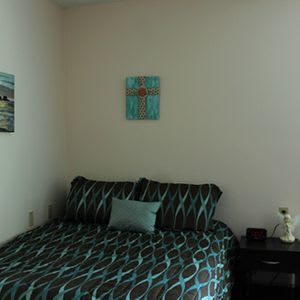
 Fully furnished
 Garden
 Housekeeping services
 Indoor common areas
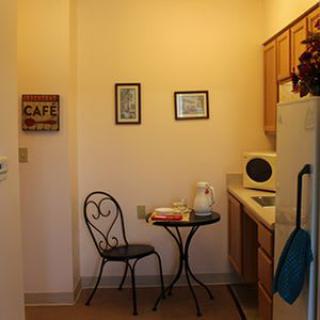
 Kitchenette
 Move-in coordination
 Outdoor space
 Telephone
 Wi-Fi/high-speed internet available
 24-hour call system
 Assistance with bathing
 Assistance with dressing
 Assistance with transfers
 Diabetes diet
 Diabetic care
 Meal preparation and service
 Medication management
 Mental wellness program
 Special dietary restrictions
 Transportation arrangement (medical)
 Transportation to doctors appointments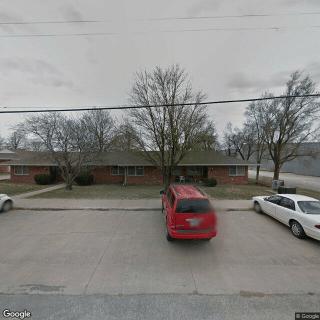






 Assisted Living Expenses and Long-Term Care Insurance: A Comprehensive Exploration
 Securing Financial Support for Assisted Living: A Comprehensive Overview
 Social Security Benefits and Assisted Living: Navigating Options Across the U.S.