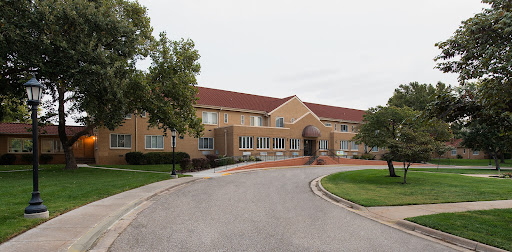
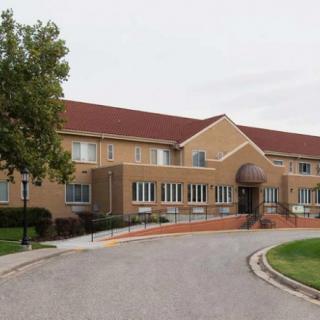
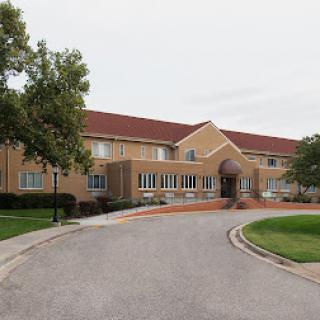
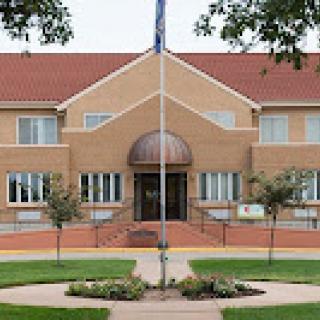
1200 E 7th St, Newton, KS 67114
To contact a resident: (316) 283-5400
For more information about senior living options: (866) 208-4318
Newton Presbyterian Manor Costs & Pricing
At Newton Presbyterian Manor, the monthly costs for accommodations are competitively aligned with both Marion County and the broader Kansas state averages. For a semi-private room, residents can expect to pay $4,500, which is consistent with the county rate but slightly lower than the state average of $4,562. In contrast, the private room option is priced at $5,500, matching Marion County's rate while being notably higher than Kansas' statewide average of $5,137. These pricing structures reflect a commitment to providing quality care in a nurturing environment while remaining mindful of local economic conditions.
| Floor plans | Newton Presbyterian Manor | Marion County | Kansas |
|---|---|---|---|
| Semi-Private | $4,500 | $4,500 | $4,562 |
| Private | $5,500 | $5,500 | $5,137 |
Assisted Living communities with a similar price nearby
-
About the same
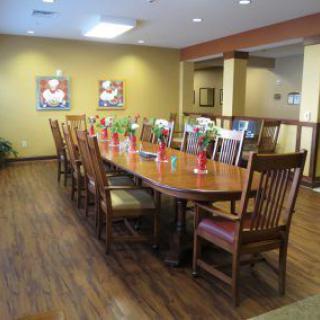
Asbury Park
$4,402 to $5,333 / month2.0 miles away -
from +$500 / mo
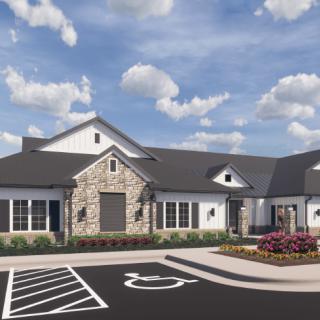
Comfort and Love Wichita
$5,000 / month24.6 miles away -
from -$195 / mo
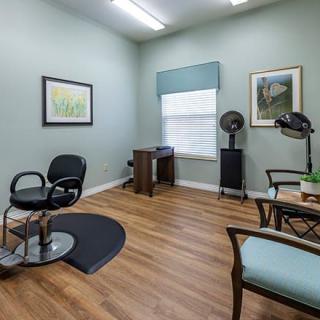
Brookdale Tallgrass
$4,305 to $5,365 / month23.2 miles away -
from +$210 / mo
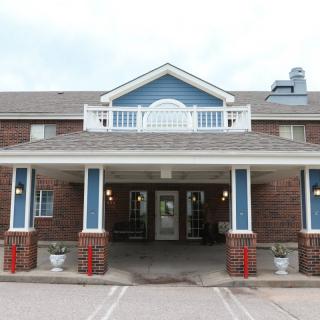
Vintage Park at Waterfront
$4,710 to $5,595 / month24.7 miles away -
from -$730 / mo

Homestead Estates of Wichita
$3,770 to $3,905 / month23.5 miles away
Overall Review of Newton Presbyterian Manor
Pros
 PM offered mom a much-needed independent living environment within a loving, caring community.
- The nursing staff and Estaban provided compassionate support during the move to Assisted Living.
- The family feels blessed knowing mom is in a community of staff and residents she loves.
- Presbyterian Manor Newton provides residents with freedom and daily dignity, with genuine care from the staff.
- The transition to Presbyterian Manor Newton was smooth, thanks to Esteban's assistance.
- Memory Care residents are comfortable and well-adjusted, with morning exercises and in-house activities.
- The staff are helpful and focused on providing the best care, making the process easier for families.
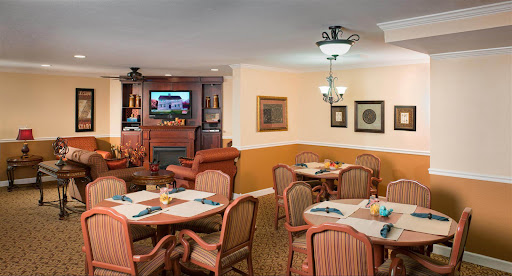
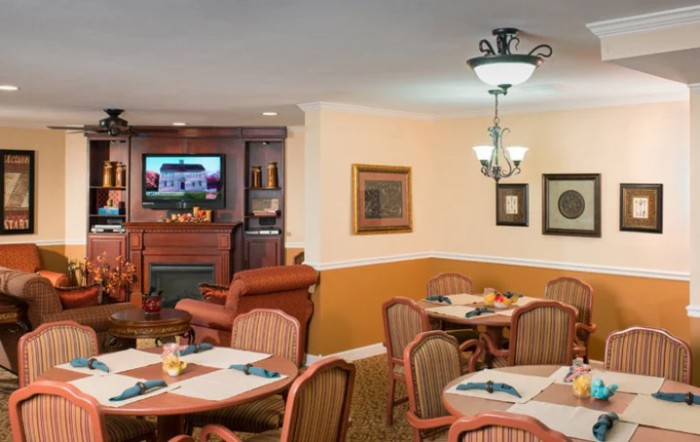
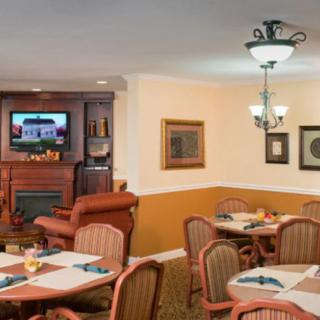
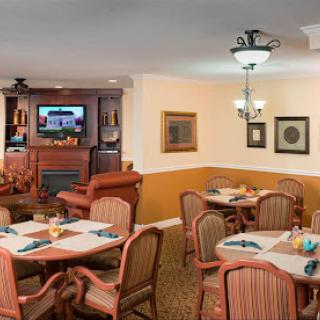
- The dining area is pleasant with good, varied meals, and residents are treated like family.
Cons
 The nursing home was described as the worst ever.
- They did not help her with her exercises, not once.
- The nurses allegedly stole her medication.
- A reviewer warned families not to place a loved one at that facility.
Review
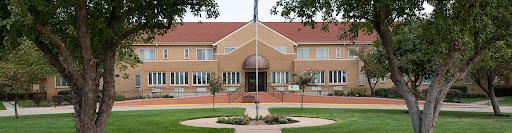
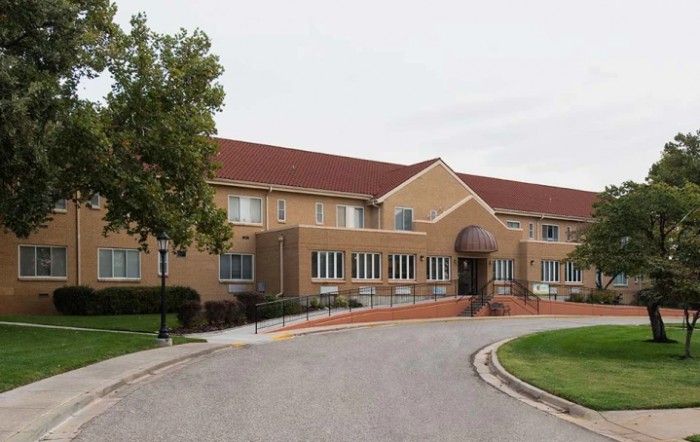
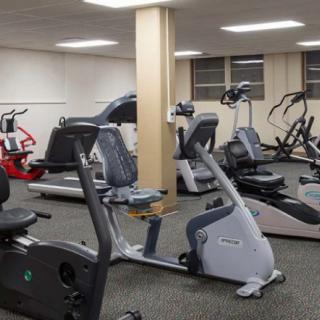
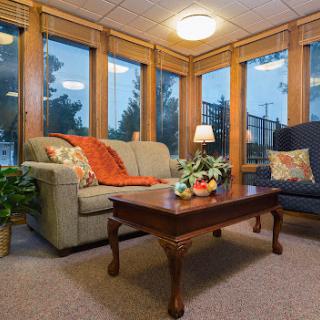
Newton Presbyterian Manor in Newton, Kansas is best suited for seniors who want a warm, service-focused campus that supports independent living while offering a clear pathway to assisted living and memory care on the same site. Families seeking a long-term home where daily life is anchored by a caring staff, robust programming, and familiar faces will find this community compelling. The campus excels at creating a sense of belonging: well-maintained facilities, responsive maintenance, dependable housekeeping, and dining options that sustain variety and nourishment. For residents who prize stability, social connection, and the peace of mind that comes from a multi-level care continuum, this is a strong match.
Those weighing alternatives should be mindful that not every senior fits this exact mold. For individuals requiring high-acuity medical oversight or constant hands-on clinical management, other campuses with a more intensive medical model may be a better fit. Families with tight budgets or those who fear potential variability in care quality on certain shifts may wish to compare pricing structures and move-in incentives elsewhere. A single, strongly positive experience is not universal, and a sharp eye for how memory care and assisted living are staffed, supervised, and integrated into daily life is essential.
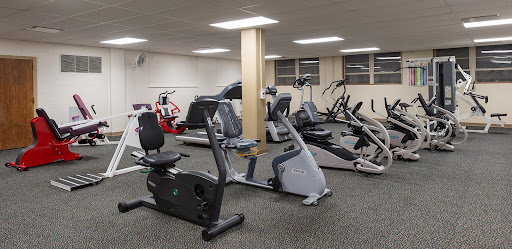
The strongest pros here, genuine staff care, a safe and pleasant environment, and meaningful opportunity for social engagement, tend to offset most of the common concerns. Residents benefit from attentive, approachable caregiving, well-organized activities, and intergenerational programming that keeps the campus lively. The memory care unit is a meaningful option, enabling a smooth transition if needs escalate, while independent living residents enjoy a calendar of in-house events and excursions. Cleanliness and hospitality are consistently noted, reinforcing the sense that residents are treated like family and not just occupants. In short, the care ethos and community atmosphere are the anchors that compensate for the inherent trade-offs of any mid-size senior campus.
But one must acknowledge the cautions that exist in the user experiences. A particularly harsh review highlights potential lapses in care within the dementia wing and even alleges medication-handling issues; while such experiences are atypical and not representative of every resident’s path, they underscore the necessity of rigorous due diligence. Prospective families should verify care standards directly with the memory care team, request current care plans, and tour during peak and off-peak times to observe staff responsiveness. The campus’s overall tone remains positive, yet the reality is that dementia care demands heightened supervision, consistent routines, and transparent communication, areas that should be scrutinized before moving a loved one into a continuing on-campus pathway.
Practical due diligence should focus on what matters day-to-day: staffing ratios by shift, the cadence of care planning, meal quality and flexibility, housekeeping reliability, and the availability of transportation and medical coordination. Engage with front-line staff, directors, and current residents to gauge consistency of experience, especially in the assisted living and memory care zones. Ask about trial periods, the process for escalating care, and how transitions are managed if a resident’s needs change. This is not a facility to assume is flawless; it is a place to confirm that the culture of care matches the family’s expectations and the resident’s needs.
Financial clarity is essential. Residents report reasonable rates and a transparent, bundled approach to services, but the full long-term cost picture depends on the level of care, contracts, and potential rate increases. Families should request a detailed cost breakdown for independent living, assisted living, and memory care, along with a clear outline of what is included (meals, housekeeping, activities, transportation) and what may incur extra charges. Understanding these components helps determine whether Newton Presbyterian Manor remains a financially sustainable option as needs evolve, reducing the risk of disruptive moves later on.
Ultimately, Newton Presbyterian Manor offers a compelling blend of warmth, reliability, and a proven care continuum for seniors who value a community that feels like home and supports aging in place. It is a practical choice for families seeking stability, engaging programming, and a staff-driven culture of genuine care. Those who prioritize intensive medical oversight, or who are budget-constrained to the point of requiring aggressive cost containment, should explore alternatives carefully. A purposeful tour, candid conversations with staff, and a review of current resident experiences will confirm whether this campus aligns with the resident’s trajectory and family expectations.
 1-bedroom apartments
 Condos / townhomes
 Assisted Living
 Independent Living
 Memory Care
 Skilled Nursing Facility
 Activities on-site
 Beautician on-site
 Devotional services off-site
 Dining room
 Full kitchen
 Garden
 Housekeeping services
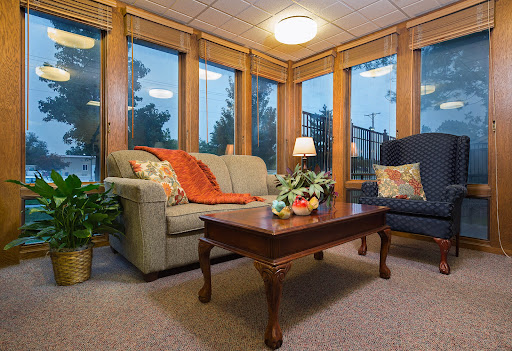
 Indoor common areas
 Laundry
 Party space
 Resident parking
 Respite or short term stays offered
 Transportation & parking
 Ambulatory care
 Diabetic care
 Hospice care
 Medication management
 Physical therapy
 Meals provided
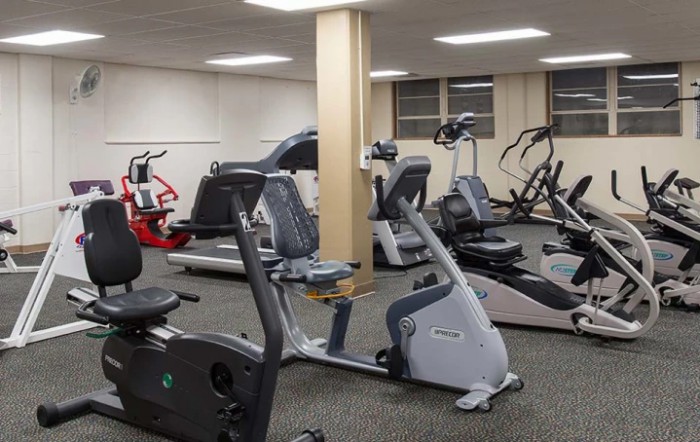
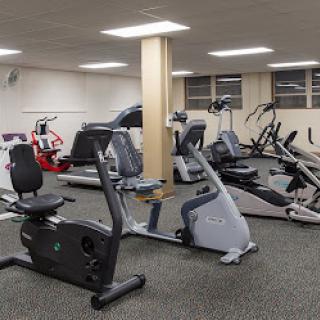
 Fitness programs
 English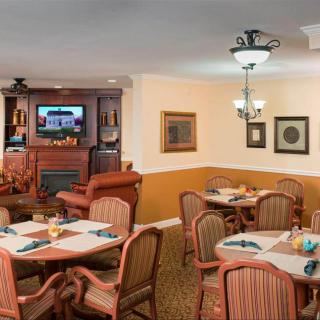

 Are Dementia and Alzheimer's Disease Lethal? A Comprehensive Exploration
 Exploring the Power of Reminiscence Therapy for Individuals With Dementia
 An In-Depth Look at Reminiscence Therapy in Dementia Care