
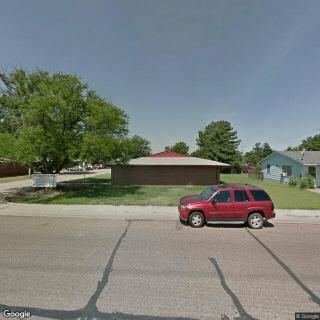
2160 Zinnia Lane, Liberal, KS 67901
For more information about senior living options: (866) 208-4318
Overall Review of Good Samaritan Society - Liberal
Pros
 Employees really love their patients.
- It is a place of caring people.
- The people there are great and really care about the patients.
- The employees are very professional and personable, and they invest in their patients.
- The staff do a great job overall.
- The facilities are good, with rooms that are perfect for one person.
Cons
 They are no good Samaritans.
- They turned the reviewer’s mother away due to Alzheimer's.
- The shared rooms are cramped.
Review
This community is best suited for seniors who want a warm, faith-centered environment where staff members are genuinely invested in residents. The strong, personable culture is palpable: employees appear to truly love their patients, and families report caregivers who talk to residents with respect and dignity, reinforcing a sense of worth even as memory and independence change. The site emphasizes Christian values in daily care and decision-making, which can be a decisive factor for families seeking alignment with long-time beliefs. For residents who thrive on personal attention, regular interaction, and a small-community feel, Liberal’s Good Samaritan Society delivers a steady, reassuring presence that many families value deeply.
Those who may want to consider alternatives include families seeking more expansive, modern facilities with larger private rooms or a wider array of on-site amenities. The strongest appeal here rests in the committed staff and the culture, not in ultra-spacious accommodations. Some families prioritize a setting with uniformly high care across all shifts and a more robust, standardized dementia program that feels seamless no matter which caregiver is on duty. In those cases, other options, especially larger campuses or facilities with more modern, private-room layouts, could better meet expectations. A few historical anecdotes also caution about access for Alzheimer's residents in some contexts, suggesting questions to probe about current policies and capacity.
The core advantages, staff devotion, a caring atmosphere, and clear Christian values, often offset the less enviable logistics. Families repeatedly note that staff members are professional, personable, and deeply engaged with residents’ well-being. The ability to engage with residents as if they understand their surroundings, even when cognition has shifted, reflects a high level of emotional intelligence and respect that resonates with families. The presence of a dedicated memory-care unit demonstrates intentionality in dementia care, and opportunities for visits by guests (including animals) contribute to meaningful social interaction. Taken together, these strengths cultivate a dignified daily experience that can soften the realities of aging and functional decline.
Nevertheless, there are tangible downsides to weigh. The most repeatedly cited caveat is variability in individual staff performance, some caregivers excel and connect deeply, while others may not meet the same standard. That reality makes consistent quality less predictable than one might hope, so proactive family involvement remains essential. Another practical drawback is the room configuration: private rooms are preferred words here, but double occupancy rooms tend to feel cramped, which can impact comfort, especially for couples or residents needing more space for mobility aids. While the facility has strong values and attentive staff, the physical footprint and staffing consistency will matter to families balancing independence against the desire for reassurance.
For families evaluating this community, a structured, pre-commitment visit is essential. Ask about current nurse-to-resident ratios on each shift, and request to see recent care plans for residents with memory impairment. Inquire about the availability of private rooms and whether collaboration with families is routine when adjusting care levels. Seek a clear description of the dementia program: staff training, activity schedules, and how residents are integrated across memory-care and general care floors. Tour the memory-care unit specifically, speaking with frontline caregivers and observing interactions to gauge how consistently warmth and attention translate into daily routines. Clarify religious services, daily activities, and family visitation policies to ensure alignment with expectations.
Overall, this Good Samaritan Society location offers a compelling, values-driven option for families prioritizing warmth, personal attention, and a faith-oriented caregiving environment. Its 4.6 rating from 18 reviews signals broad satisfaction and strong advocacy from those who value the human touch and ethical framework. It is a practical fit for seniors who desire meaningful connections, compassionate care, and a supportive community atmosphere. For those who require larger, more modern accommodations or a uniformly seamless dementia program across every shift, alternatives may be worth exploring, but for families seeking heart-driven care anchored in shared values, this Liberal campus stands out as a sound, considerate choice.
 45 resident community capacity
 Skilled Nursing Facility
 Beauty salon
 Cable or satellite TV
 Dining room
 Fully furnished
 Garden
 Housekeeping services
 Kitchenette
 Move-in coordination
 Outdoor space
 Restaurant-style dining
 Small library
 Telephone
 Wi-Fi/high-speed internet available
 24-hour call system
 Activities of daily living assistance
 Assistance with bathing
 Assistance with dressing
 Assistance with transfers
 Diabetes diet
 Medication management
 Mental wellness program
 Special dietary restrictions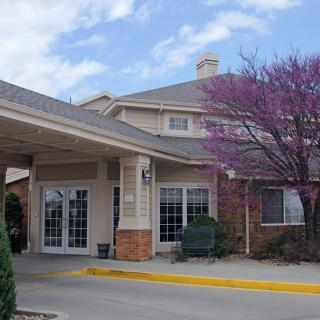

 Understanding Home Health Care: A Comprehensive Guide
 Home Health Care Demystified: A Comprehensive Guide for Families and Caregivers
 Seniors and Modern Transportation: Exploring Uber, Lyft, and Other Ride-Hailing Options