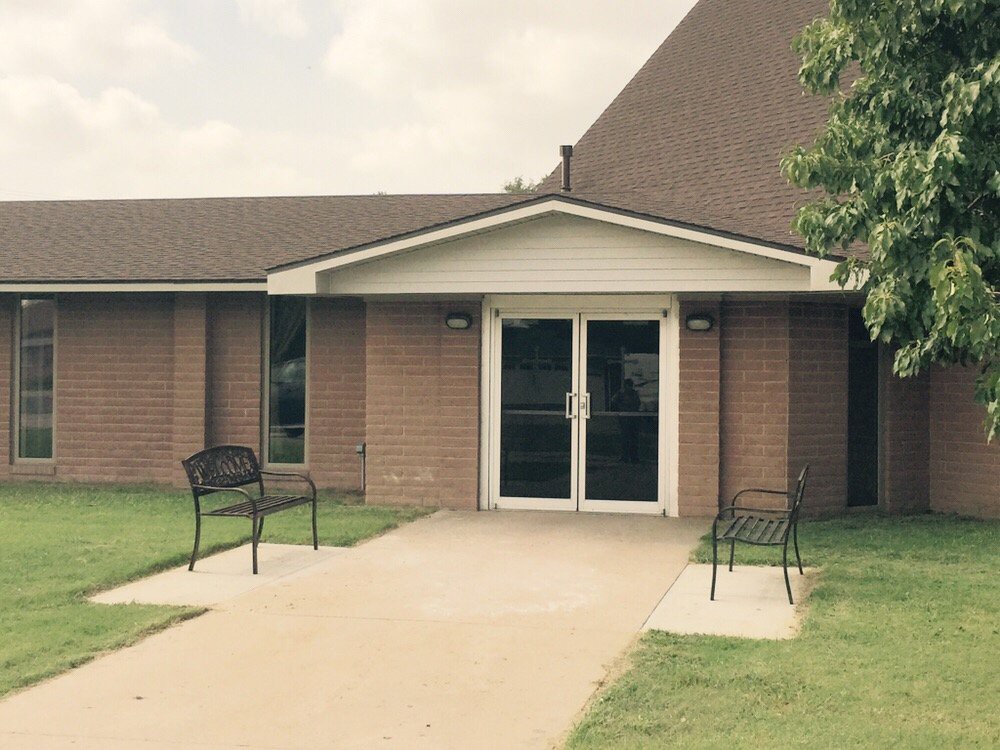

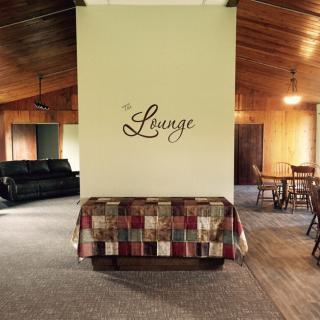
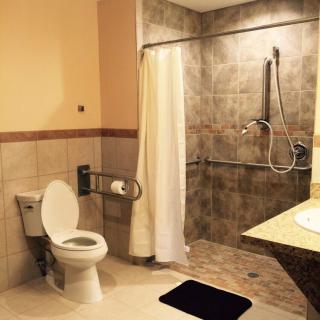

1140 South Pershing Avenue, Liberal, KS 67901
For more information about senior living options: (866) 208-4318
Homestead Estates Home Plus Costs & Pricing
Homestead Estates Home Plus offers competitive pricing for its living options, aligning closely with both Seward County and the broader Kansas market. For semi-private rooms, residents can expect to pay $4,500 per month, which matches the county rate and is slightly lower than the state average of $4,562. Those opting for private accommodations will find a consistent monthly fee of $4,800 at Homestead Estates, mirroring local costs while remaining more affordable than the state's average of $5,137. This positioning not only underscores Homestead Estates' commitment to providing high-quality services at a fair price but also highlights its appeal to families seeking value in assisted living options.
| Floor plans | Homestead Estates Home Plus | Seward County | Kansas |
|---|---|---|---|
| Semi-Private | $4,500 | $4,500 | $4,562 |
| Private | $4,800 | $4,800 | $5,137 |
Assisted Living communities with a similar price nearby
-
from -$685 / mo
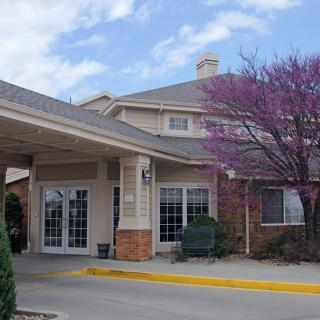
Brookdale Liberal Springs
$3,815 to $5,040 / month2.2 miles away
Overall Review of Homestead Estates Home Plus
Pros
 The staff takes great care of residents.
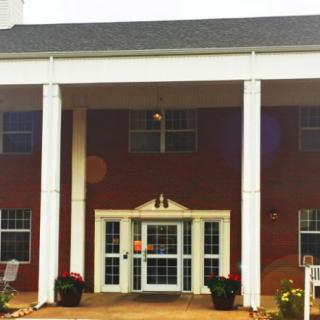
- The facility has a small, homey atmosphere.
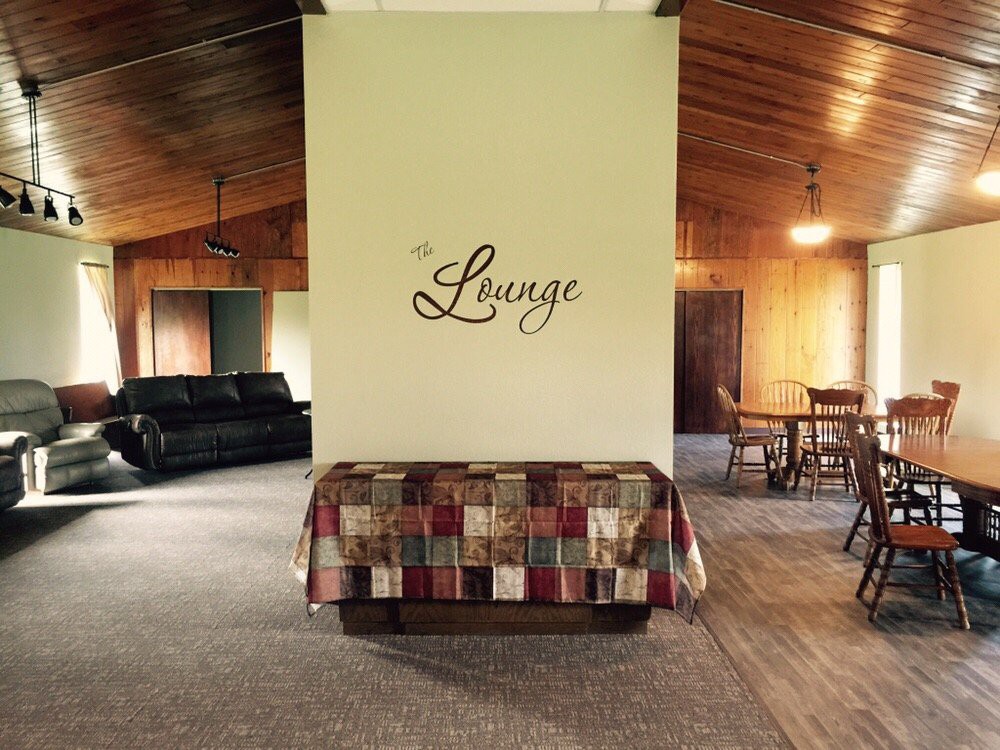
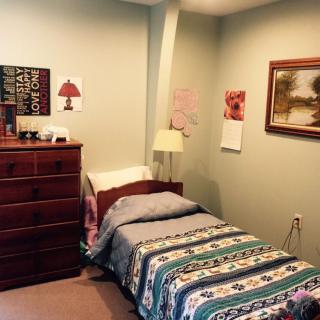
- Homestead Estates Home Plus has a very home-like feel.
- Residents receive personal care and no longer feel like just another person unable to care for themselves.
- Within weeks, he began talking, feeding himself, reading, and even walking independently with a walker.
- The care he receives is personal, with staff who oversee his day with dignity and respect.
- Such high-quality care is not found just anywhere.
Cons
 He came from a facility in town where his health and mental status had deteriorated to the point of having little independent function left.
- He was spending his days mostly in bed in a fetal position, no longer able to eat much, not speaking or walking.
- The prior facility gave the impression of him being just another person unable to care for themselves.
Review
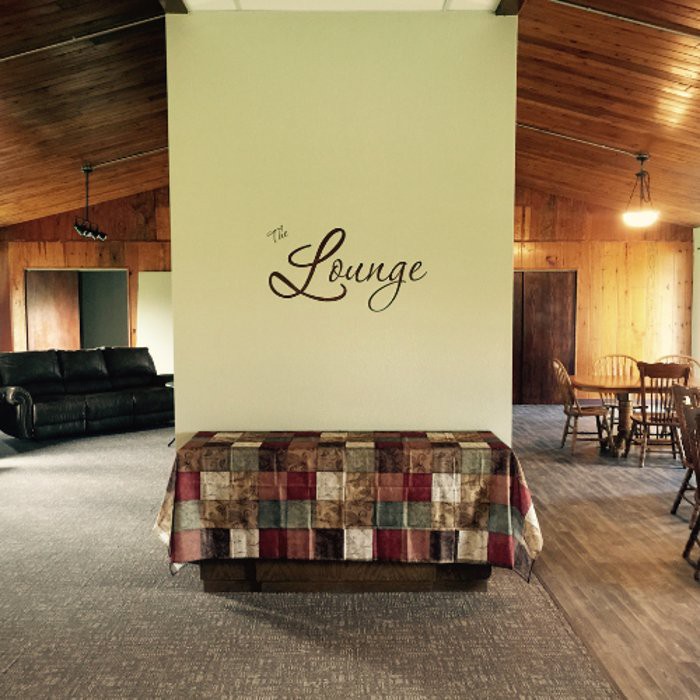
Homestead Estates Home Plus in Liberal, Kansas, is best suited for families seeking a small, home-like senior living option where care is personal, attentive, and guided by dignity. It works well for residents who still benefit from engagement and daily structure, but who do not require a large campus with expansive medical amenities. The setting emphasizes warm, everyday routines, meaningful conversations, and activity that keeps a resident connected to life as a person, not as a patient. In short, this community shines for those who value intimacy, continuity, and staff-laden attention that treats each resident as an individual.
Those who may want to consider alternatives are clear: residents needing around-the-clock skilled nursing, complex medical oversight, or memory-care programs with specialized clinical staff may find a larger, more resource-rich setting a better fit. If the priority is access to a broad menu of on-site therapies, extensive clinical monitoring, or a more expansive social calendar, other communities may deliver more breadth. Families should also evaluate whether location, cost, and long-term planning align with the option that offers a broader scope of services, should needs intensify.
The strongest positives center on the home-like atmosphere and the personal care that accompanies it. Residents are not treated as nameless cases; staff oversee days with a sense of dignity and respect that informs every interaction. That approach translates into tangible improvements in a resident’s daily life. One family describes a transition that felt almost transformative: a father who arrived in a state of limited independence began speaking, feeding himself, reading, and even walking with a walker after joining the community. That kind of functional lift highlights the way attentive, individualized care can reclaim meaningful years of life for someone previously viewed as failing in independence.
Equally compelling is the consistency and warmth of the staff. The care team appears to know each resident’s rhythm, preferences, and boundaries, which reduces the anxiety often associated with senior living. Families consistently note that their loved ones receive care that respects personal history and routines, rather than being shuffled through a one-size-fits-all program. The small, home-centered setting supports honest, direct communication among families, residents, and caregivers, further reinforcing trust and a sense of security that is hard to find in larger communities.
With any strong emphasis on warmth and personalization, there are practical tradeoffs to consider. The intimate, home-like model naturally means fewer on-site amenities and a smaller cadre of specialized clinicians than a larger campus might provide. For families planning long-term, highly clinical support, such as intensive wound care, dialysis, or dementia care with highly structured programming, those needs may outgrow what Homestead Estates can sustain without transitions. Yet these potential gaps are precisely offset by the very elements that define the experience: a nurturing environment, consistent staff engagement, and a focus on preserving independence and dignity wherever possible.
Ultimately, the decision hinges on balancing the extraordinary human touch against the likelihood of needing expanding clinical services later. For families prioritizing a warm, intimate atmosphere where residents feel seen, heard, and actively involved in daily life, Homestead Estates Home Plus represents a compelling, even transformative choice. It is not simply another place to live, it is a setting where small but meaningful gains in function and mood appear achievable through steady, respectful attention. For those with broader medical requirements or a demand for a more robust, resource-rich program, exploring alternatives with deeper clinical depth will be prudent. A visit and frank conversations about routines, staffing, and future needs will illuminate whether this home-like haven aligns with long-term care goals.
 12 resident community capacity
 Assisted Living
 Board and Care Home
 Cable or satellite TV
 Dining room
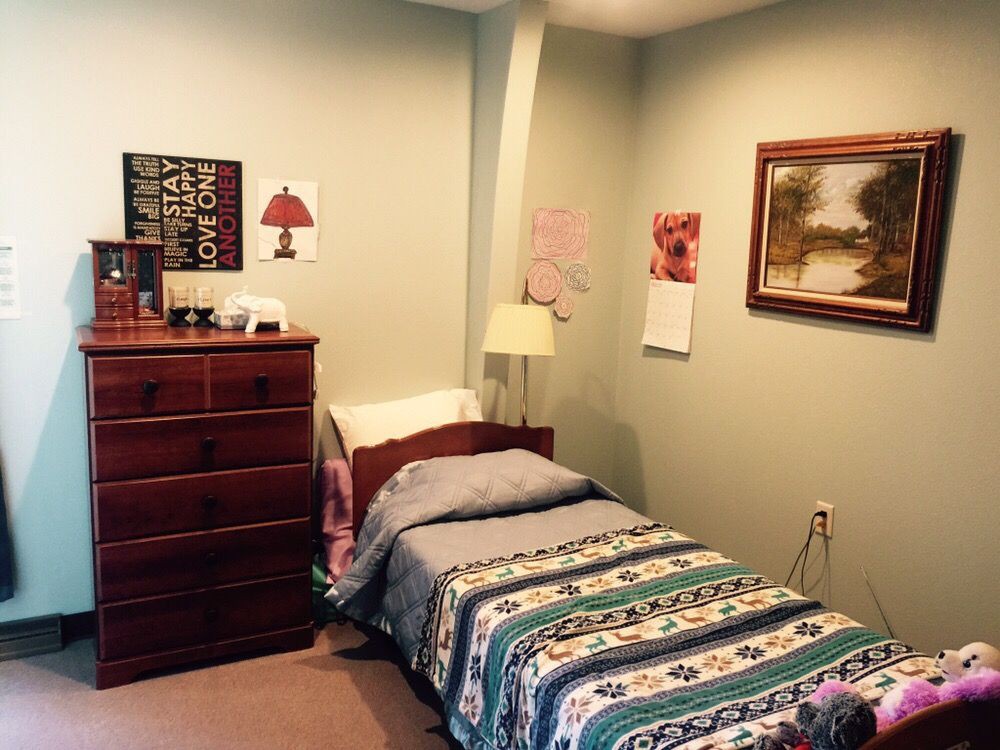
 Fully furnished
 Garden
 Housekeeping services
 Move-in coordination
 Outdoor space
 Private
 Telephone
 Wi-Fi/high-speed internet available
 24-hour supervision
 Activities of daily living assistance
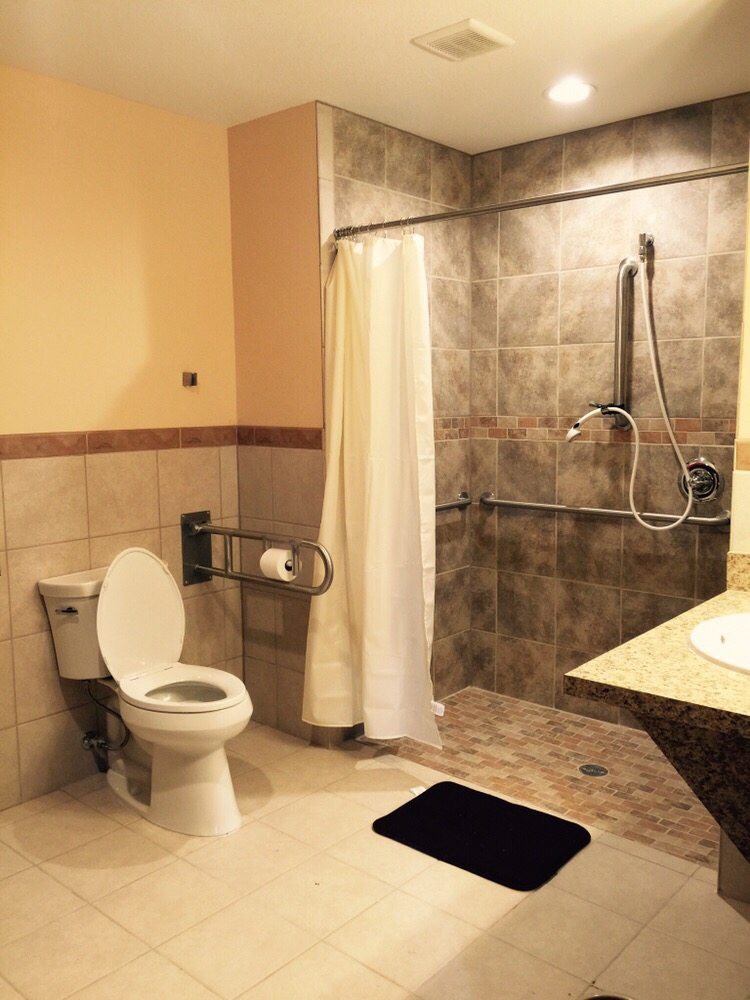
 Assistance with bathing
 Assistance with dressing
 Assistance with transfers
 Diabetes diet
 Meal preparation and service
 Medication management
 Special dietary restrictions
 Transportation arrangement (medical)
 Transportation to doctors appointments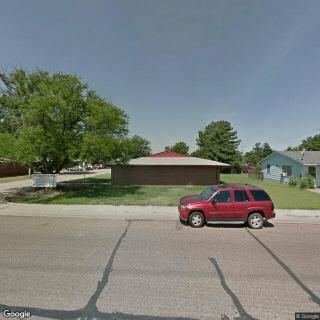


 8 Key Indicators That Suggest It May Be Time to Transition from Assisted Living to Skilled Nursing Care
 Vibrant Senior Living: A Comprehensive Guide for Active Older Adults
 When to Transition from Assisted Living to Memory Care: Key Indicators, Steps, and Finding the Right Community