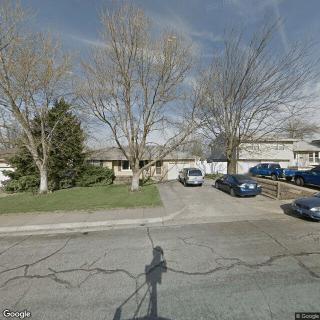
2700 Canal Boulevard, Hays, KS 67601
For more information about senior living options: (866) 208-4318
Overall Review of Good Samaritan Society - Hays
Pros
 They received the best possible care for their dad.
- From the Director to the cleaning crew, everyone was outstanding.
- Any issues were addressed immediately and resolved quickly.
- The facility dispelled negative stories and earned trust as a place for care.
- The staff are good and caring.
- They provide quality care with a home-like feel, including an amazing Alzheimer's Unit with the BBET program.
Review
Good Samaritan Society - Hays is best suited for families seeking long-term assisted living with a warm, home-like atmosphere and a clearly evident emphasis on memory care. It works well for seniors who value steady, hands-on attention from a full spectrum of staff, from the administrator to front-line caregivers and housekeeping, and who want prompt, dependable problem-solving when concerns arise. The Alzheimer's unit with the BBET program stands out as a meaningful strength, signaling an ability to tailor care to cognitive needs without transferring to a different campus. In practical terms, this community is a strong fit for families prioritizing personal connection, daily reliability, and a supportive environment where staff visibly knows residents and acts quickly to address issues.
Those who should consider alternatives are families with expectations of uniformly flawless experiences across every shift and every department, or those needing medical oversight that feels more intensive or specialized than what this campus typically provides. A small portion of reviewers issued low ratings, indicating that experiences can diverge by unit or staff and that dissatisfaction can surface despite overall strength. For families focusing on price above all else, or seeking a newer facility with a more clinical ambiance, other options may better align with those preferences. In short, this campus rewards resilience, consistent frontline engagement, and a preference for a homelike setting over a spotless, clinical impression in every corner.
The positives are substantive and consequential. Strong, visible care culture, across directors, nurses, aides, and cleaning staff, translates into quick issue resolution and reliable daily routines. The home-like feel in daily life helps reduce stress and supports normal activities of daily living, which matters for any resident settling into long-term care. The BBET-equipped memory unit adds a concrete, programmatic layer to dementia care, offering structure and engagement that can slow functional decline and improve comfort. These advantages tend to overflow into families’ confidence, peace of mind, and a sense of continuity for loved ones who value familiar faces and consistent communication. The main caveat remains that the overall experience can still vary, but the core strengths frequently compensate for most potential downsides.
To judge fit with precision, prospective families should focus on practical indicators during visits. Inquire about current staff-to-resident ratios on each shift, and how care plans are reviewed and updated in response to changing needs. Request a firsthand look at the BBET memory unit, testing not only the programming but also safety features, engagement levels, and climate of resident interactions. Ask about escalation paths: how concerns travel from frontline staff to management, and how families receive updates on care adjustments. Clarify inclusions versus add-ons, particularly as dementia-related needs grow, to avoid sudden budget surprises. These specifics reveal whether the care philosophy translates into dependable day-to-day life.
The rating landscape, 3.9 from 19 reviews, reflects a solid, credible option rather than a flawless showcase. Many families praise the warmth, responsiveness, and reliable care, with anecdotes that emphasize a sense of safety and personal attention. Yet the presence of a minority of lower scores serves as a prudent reminder: experiences vary, and a family should not assume perfection. For memory-care decisions, the BBET program is a meaningful differentiator that can reduce stress and reassure families that cognitive needs will be met with specialized attention. The bottom line is that this campus earns trust through consistent relationships and tangible care practices, even as a few reviewers signal room for improvement.
Ultimately, Good Samaritan Society - Hays represents a practical, solid choice for seniors who prize a welcoming, caregiver-driven environment and a dedicated memory-care option within a familiar Kansas setting. It rewards families that engage actively in planning and oversight, and it aligns with those who value staff accessibility and responsiveness over a pristine institutional veneer. Alternatives should be on the table for families seeking either the most uniform top-tier ratings across every metric or the most price-driven packages, or for those who require a more clinical ambience or broader medical oversight. For most decision-makers, the next step is a candid visit, observe care interactions, meet the care managers, and test how well the day-to-day rhythms align with the loved one’s habits, preferences, and safety. If the impression is one of genuine attentiveness and a robust memory-care framework, this campus warrants serious consideration.
 70 resident community capacity
 Skilled Nursing Facility
 Air-conditioning
 Beauty salon
 Cable or satellite TV
 Computer center
 Dining room
 Fitness room
 Fully furnished
 Gaming room
 Garden
 Housekeeping services
 Kitchenette
 Move-in coordination
 Outdoor space
 Private bathrooms
 Restaurant-style dining
 Small library
 Telephone
 Wellness center
 Wi-Fi/high-speed internet available
 Hays Municipal (4 miles away)
 Community operated transportation
 12-16 hour nursing
 24-hour call system
 Activities of daily living assistance
 Assistance with bathing
 Assistance with dressing
 Assistance with transfers
 Diabetes diet
 Medication management
 Mental wellness program
 Special dietary restrictions
 Concierge services
 Planned day trips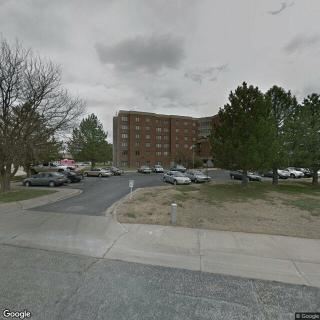

 Supportive Employee Benefits That Help Caregivers Attain Better Work-Life Harmony
 Top Cars for Senior Drivers and Essential Safety Innovations
 A Closer Look at Private Pay Home Care