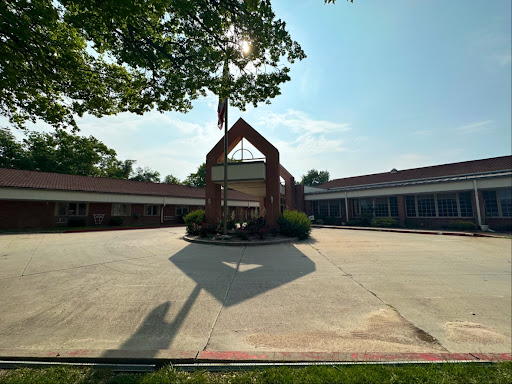
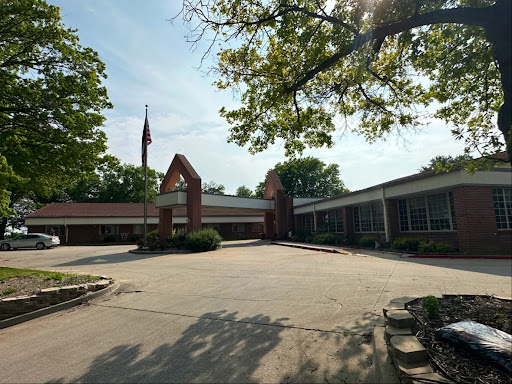
1419 North 6Th Street, Atchison, KS 66002
For more information about senior living options: (866) 208-4318
Overall Review of Atchison Senior Village
Pros
 The staff is caring and focused on quality services.
- The facility offers a welcoming atmosphere with caring staff, three balanced meals and snacks, daily activities, weekly outings, and therapy provided by trained staff for inpatient or outpatient needs.
- The staff is dedicated to caring for residents, making it a great place to reside or work.
- It is a wonderful facility with staff who are devoted to resident care.
- The staff show compassion for residents and families, including a moving, respectful escort for loved ones when they pass.
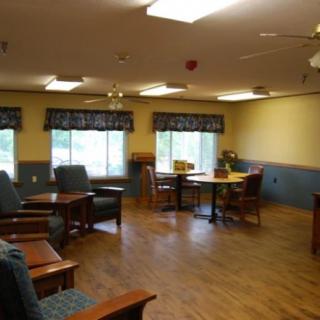
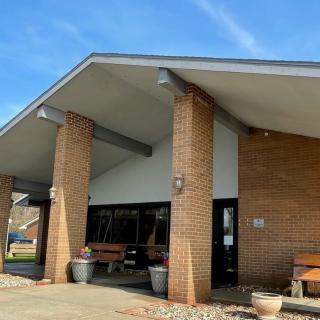
- The facility is clean, friendly, and well-maintained, with residents who appear happy and engaged.
Cons
 The staff were not very empathetic.
- The family was not notified for over 12 hours after the fall.
- The facility is not suitable for emergencies.
- The reviewer was not impressed, noting a COVID outbreak kept residents in their rooms.
- The reviewer believes vaccines should be mandatory.
- Bathing services were not provided.
- The staff appeared lazy.
- The reviewer criticized the decision to place her mother in that facility.
Review
Atchison Senior Village is best suited for seniors who want a small-town, community‑focused environment where daily routines, regular meals, and accessible therapy are central to daily life. The setting appeals to residents and families who prize a welcoming atmosphere, consistent social engagement, and hands‑on staff who demonstrate care in everyday interactions. It works particularly well for those who don’t require constant high-intensity nursing, but still need structured support, medication management, and opportunities to participate in planned activities and local outings.
Those who should consider alternatives are families that cannot tolerate even occasional lapses in crisis responsiveness. Several reviews flag the risk of delayed communication after emergencies, including an incident where a fall was not reported for many hours. This kind of experience is not tolerable for families that require rapid notification and decisive, empathic crisis management. Additionally, personal care needs such as regular baths and more intensive one-on-one oversight may not be consistently met in all shifts, and claims of staff laziness surface in a minority of reviews. For residents with high acuity medical needs, or for those prioritizing near-flawless staffing continuity, exploring other options is prudent.
The principal positives, therapeutic services, a dedicated caregiving staff, nutritious meals, and a rhythm of daily activities and weekly outings, tend to offset some of the logistical concerns when the resident’s goals align with what the village delivers. Therapy is described as professional and adaptable for inpatient or outpatient needs, and the kitchen provides three balanced meals with snacks. A welcoming, family‑oriented culture emerges in multiple testimonials, including praise for staff who monitor medications, help residents stay engaged, and create opportunities for social interaction. In this light, the community’s care model can produce meaningful quality-of-life gains, especially for residents who respond to routine, purposeful activity and a sense of belonging.
However, the offsetting effect of these strengths is imperfect. The most consequential con: delayed emergency communication and a perception of uneven responsiveness can undermine safety and peace of mind for families. When moments of vulnerability arise, falls, medical fluctuations, or urgent changes in condition, timeliness matters, and a minority of reviews depict a slow or less-than-empathic response. While several residents and families celebrate long-term, compassionate moments, attested by stories of escorting loved ones at end of life and moments of genuine care, the inconsistency highlighted by the negative experiences cannot be ignored. The overall performance, thus, is a blended picture: strong in everyday care and therapy, variable in crisis responsiveness.
The community’s track record with longer-term residents and multi-generational family involvement provides a hopeful frame. Positive recollections emphasize a clean facility, a stable, friendly staff, and a culture that encourages residents to stay socially engaged rather than isolated. Testimonies recount notable longevity and happiness among residents, including elders who found improved social wellness after moving in, as well as staff who take pride in personalized attention. This consistency of warmth and engagement matters, especially for families seeking continuity and a sense that the facility is a “home with professional backing.” Yet, it is essential to balance these strengths against the gaps highlighted by less favorable reviews, and to weigh them against personal expectations for crisis management and personal care.
For families weighing a decision, a disciplined site visit is essential. Ask candid questions about emergency notification protocols, average response times, and the process for escalating concerns when immediate attention is required. Inquire specifically about bathing routines and how personal care tasks are scheduled across shifts, ensuring there is clarity on daily care expectations. Seek opportunities to speak with frontline staff and current residents about day-to-day experiences, and request to review incident or care logs to gauge consistency. If social engagement, therapy access, and a warm, homelike environment are non-negotiables and the family can tolerate occasional variability in crisis responsiveness, Atchison Senior Village offers a credible, well‑rounded option. If the priority is a consistently rapid crisis response and uniform personal care, alternatives should be pursued with equal diligence.
 54 resident community capacity
 Skilled Nursing Facility
 Air-conditioning
 Beauty salon
 Cable or satellite TV
 Computer center
 Dining room
 Fitness room
 Fully furnished
 Gaming room
 Garden
 Housekeeping services
 Kitchenette
 Move-in coordination
 Outdoor space
 Private bathrooms
 Restaurant-style dining
 Small library
 Telephone
 Wellness center
 Wi-Fi/high-speed internet available
 Community operated transportation
 12-16 hour nursing
 24-hour call system
 Activities of daily living assistance
 Assistance with bathing
 Assistance with dressing
 Assistance with transfers
 Diabetes diet
 Medication management
 Mental wellness program
 Special dietary restrictions
 Concierge services
 Planned day trips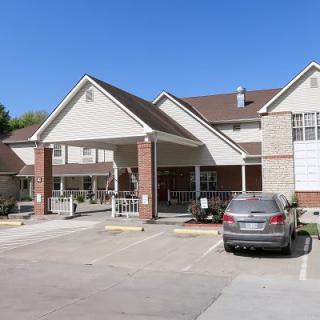




 A Detailed Exploration of Living Wills and Advance Directives
 Comprehensive Guide to Medicare Coverage for Hospice Care
 Caring for Those Who Care: Recognizing, Understanding, and Overcoming Caregiver Burnout