
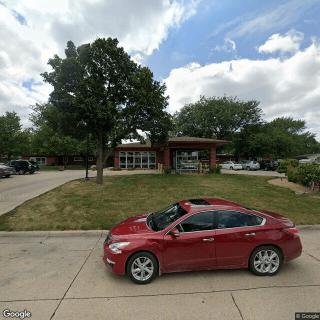
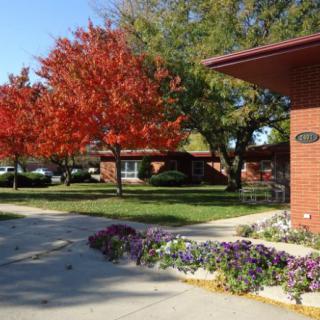
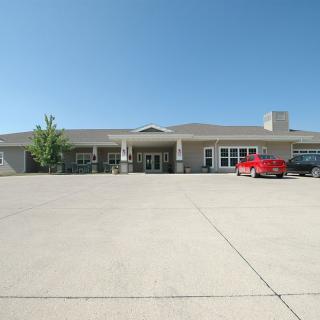
2416 South Des Moines Street, Webster City, IA 50595
For more information about senior living options: (866) 208-4318
Overall Review of Southfield Wellness Community
Pros
 The facility is always very clean.
- The staff is very knowledgeable and very caring.
- Residents are treated with love and respect.
- They are a caring and well-run facility.
- The nurses and CNAs care about the residents.
- The head of HR is an amazing woman.
- The living area feels like home, with amenities such as a large-screen TV and a fireplace.
Cons
 It was a bad place; the mother had a large bruise after only four days, and staff didn’t know how it happened.
- Dirty spoons and a dirty disposable glove were left on the floor, and requests for help took forever to be answered.
- The reviewer advised not to take a loved one there.
- The halls were narrow and it felt like a nursing home.
Review
Southfield Wellness Community in Webster City, IA is best suited for families seeking a long‑standing, relationship‑driven environment where seniors receive steady, care‑giver continuity from staff who stay with the facility. The evidence across experiences points to a culture built on familiarity and trust: residents who have remained for many years, and families who describe consistent, compassionate care. The setting leans toward homey warmth, with living areas that include a fireplace, a dining space that feels restaurant‑like, and social touches such as tree displays during the holidays. For seniors who prize stable routines, caregivers who know their preferences, and a sense of belonging reinforced by familiar faces, this community can be a reassuring, if not always flashy, choice.
Nevertheless, alternatives should be on the table for families prioritizing rapid safety responsiveness or a more modern aesthetic. One notably negative review highlights bruising during a short stay, plus concerns about clean‑up lapses and slow call responses, raising legitimate questions about day‑to‑day safety and incident follow‑through. While a broader pattern in the feedback is overwhelmingly positive, this singular account underscores the importance of scrutinizing current safety practices, staffing coverage during evenings and weekends, and the efficiency of response systems. Additionally, several observers describe the halls as narrow and the overall feel as distinctly nursing home‑style, which can matter to families seeking brighter spaces, wider corridors, and more contemporary design. These considerations are valid for residents with strong preferences for speed, space, and a more modern atmosphere.
The strongest positives across reviews center on staff disposition and reliability. CNAs and nurses are repeatedly praised for caring, knowledgeable service, with leadership described as attentive and supportive of residents as individuals and of families outside the walls. The continuity factor, caregivers who stay for many years, reduces the stress of moving between unfamiliar teams and fosters trust in daily routines, medication management, and personal preferences. Cleanliness is another recurrent theme, and the environment often features homelike touches that help residents feel at ease. Social and communal spaces, including a large dining area and activity‑rich common areas, promote interaction and familiarity, while family involvement during holidays and celebrations reinforces a sense of community beyond the resident’s private room. Taken together, these elements translate into dependable day‑to‑day care and a predictable rhythm that families value.
Those strengths do offset several drawbacks, but not all. The most convincing offset is the demonstrated staff loyalty and long‑term relationships, which buffer against the anxiety commonly associated with transitions to a new facility. Families frequently note that caregivers know residents’ histories, preferences, and families’ expectations, making care feel personalized and responsive in practice. However, the concerns raised about safety responsiveness, potential gaps in incident management, and the dated feel of the facility cannot be dismissed. The homey dining rooms and social programs soften the impression of an older building, yet they do not eliminate the need for clear safety protocols, reliable staffing, and transparent communication about any incidents. In short, care quality and continuity are solid enough to justify confidence for many, but safety practices and facility modernization remain pivotal decision factors.
For families weighing options, the verdict hinges on what matters most. If warmth, continuity, and a sense of belonging trump glossy contemporariness, Southfield Wellness Community offers a compelling fit, and the long‑tenured staff and strong caregiver relationships can translate into meaningful daily stability for a resident who thrives on familiarity. If, instead, the priority is speed of response, rigorous safety oversight, or a brighter, more modern aesthetic, several alternatives in the region warrant serious consideration. Those evaluating post‑acute rehab needs should also compare centers with aggressive therapy teams and round‑the‑clock nursing presence to ensure the chosen setting aligns with recovery goals. The right choice will align resident needs with the facility’s core strengths: relationships that endure, a warm atmosphere, and reliable, attentive care.
To make a well‑informed decision, pursue a deliberate, hands‑on assessment. Schedule a tour focused on safety practices: observe call‑button response times, request a peek at incident logs, and ask about staffing ratios across shifts. Interview current residents and families about daily routines, meal quality, and activity calendars to gauge whether the atmosphere truly feels like home. Inspect housekeeping standards and accessibility features, and evaluate whether the building layout supports mobility and social interaction without feeling cramped. If those checks align with expectations and a resident’s temperament leans toward warmth, consistency, and personal connection, Southfield Wellness Community emerges as a persuasive option. If not, the field of alternatives offers facilities that emphasize speed, modern design, and enhanced safety oversight to fit different care priorities.
 67 resident community capacity
 Skilled Nursing Facility
 Air-conditioning
 Beauty salon
 Cable or satellite TV
 Computer center
 Dining room
 Fitness room
 Fully furnished
 Gaming room
 Garden
 Housekeeping services
 Kitchenette
 Move-in coordination
 Outdoor space
 Private bathrooms
 Restaurant-style dining
 Small library
 Telephone
 Wellness center
 Wi-Fi/high-speed internet available
 Community operated transportation
 12-16 hour nursing
 24-hour call system
 Activities of daily living assistance
 Assistance with bathing
 Assistance with dressing
 Assistance with transfers
 Diabetes diet
 Medication management
 Mental wellness program
 Special dietary restrictions
 Concierge services
 Planned day trips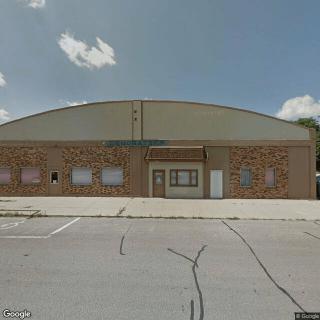


 California's Form 602A: An In-Depth Examination of Senior Care Assessment
 Comprehensive Look at Senior Blood Pressure Charts: Normal and Elevated Levels by Age
 Top Canine Companions for Older Adults