21 East Main Street, Waukon, IA 52172
For more information about senior living options: (866) 208-4318
Overall Review of Good Samaritan Society - Waukon
Pros
 The care she received while a resident was outstanding.
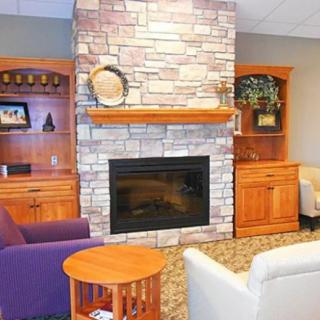
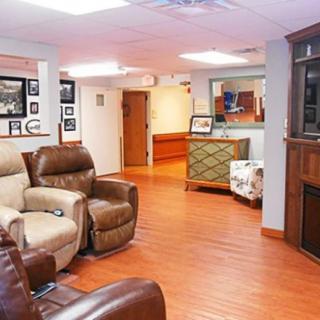
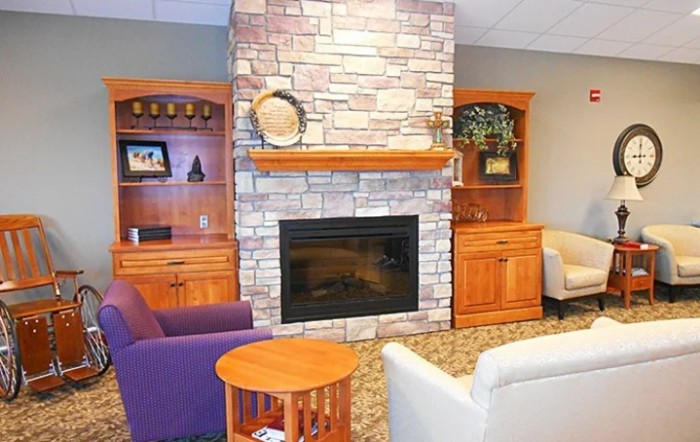
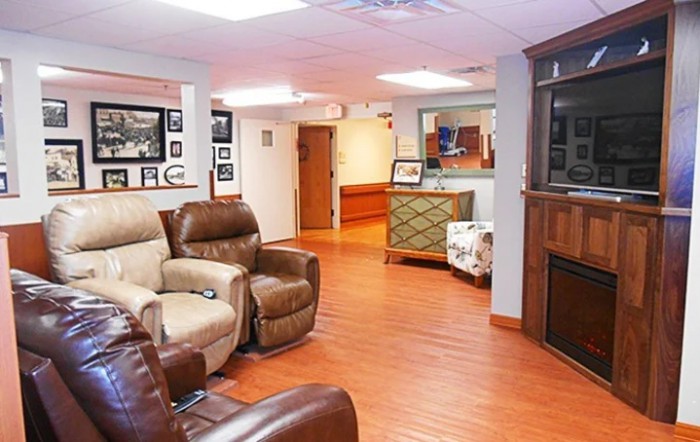
- The facility is immaculate and welcoming.
- The hallways are decorated to celebrate each season.
- She loved the food and the daily activities.
- She did not want to leave when her stay ended.
- They were unbelievably helpful navigating the paperwork involved.
- The staff are loving and caring.
Cons
 The staff are loving and caring, but there are not enough of them.
- A loved one had to wait over an hour with the call light on and kept buzzing to get assistance at night.
- It is probably the fault of those who are not doing the hands on work who determine the staffing.
Review
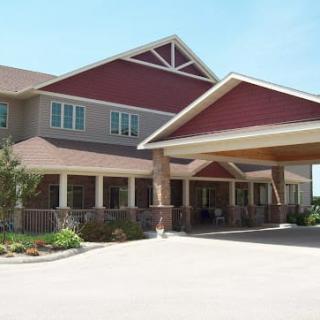
This community is best suited for families seeking a warm, well–kept post–acute or assisted-living environment where care quality and resident engagement are prioritized. Good Samaritan Society in Waukon presents an immaculate, welcoming backdrop, with seasonally decorated hallways and a calm, homey atmosphere that supports recovery and daily living. Residents and families consistently note strong satisfaction with meals, daily activities, and personal attention from staff, especially in short-term recovery after surgeries such as knee procedures. When a loved one needs a recuperative stay that also offers social engagement, this community stands out as a reliable, comforting option.
Still, certain needs point to considering alternatives. Those requiring near-constant, rapid response to call lights, especially at night, may want to explore options with higher staffing ratios or more robust 24/7 hands-on care. The staffing conversation is essential here, and potential residents with complex medical needs or memory-care requirements may prefer communities with a deeper medical footprint or more specialized support. In short, this is less about “if” and more about whether the level of night and on-demand nursing involvement aligns with a specific loved one’s risk profile and daily independence.
On the upside, the strongest pros are concrete and meaningful. The facility’s cleanliness and inviting ambiance create an immediate sense of safety and comfort, which matters greatly for recovery and ongoing well-being. Families celebrate the quality of meals and the breadth of activities that keep residents engaged, from social events to familiar routines that foster a sense of belonging. Care teams are described as loving and attentive, with anecdotes of staff going the extra mile. Administrative support also stands out, staff are reported to help families navigate paperwork with patience and efficiency, reducing friction in what can be a stressful process. These elements collectively translate into a livable, enjoyable environment that supports both physical recovery and emotional comfort.
The principal drawback is substantive enough to shape decisions for certain families. Staff shortages have been cited as a real constraint, with instances of delayed responses to call lights and nighttime assistance. While these experiences appear to reflect a staffing gap rather than a chronic failure, they create a recognizable risk factor for individuals who depend on prompt assistance. This is not a universal flaw, but it is a legitimate consideration for anyone whose loved one requires steady, immediate attention or who has higher safety needs at night.
Despite the con, the pros still tilt the decision toward this community for the right match. The combination of a pristine physical setting, uplifting everyday life, and a personable caregiving culture can significantly offset occasional delays by ensuring that recovery remains comfortable and emotionally supported. For families prioritizing a bright, activity-rich environment with straightforward administrative help, the positives often outshine the potential downside, provided planning includes clear expectations around staffing and night-time needs. This is a strong option for those who want a welcoming home-like setting to support healing and social connection.
Practical steps for families evaluating this community are straightforward. Schedule a thorough tour and specific conversations about staffing levels, especially overnight. Ask to meet the director of nursing and the night-shift team to observe responsiveness and communication. Inquire about the exact pace of call-light responses during typical evenings and weekends, and request recent examples of how staffing changes have impacted care. Confirm the availability of rehabilitation services relevant to the loved one’s recovery trajectory and verify how meals, activities, and family involvement are structured. If a trial period or temporary stay is possible, use it to gauge real-world dynamics before committing. When aligned with a loved one’s preference for a welcoming, engaging setting and a manageable level of nighttime staffing risk, this community delivers a compelling, practical option for short-term recovery and assisted living. For those who demand near-perfect night-time responsiveness or more intensive medical oversight, it may be prudent to compare alternatives with stronger staffing guarantees.
 84 resident community capacity
 Skilled Nursing Facility
 Air-conditioning
 Beauty salon
 Cable or satellite TV
 Computer center
 Dining room
 Fitness room
 Fully furnished
 Gaming room
 Garden
 Housekeeping services
 Kitchenette
 Move-in coordination
 Outdoor space
 Private bathrooms
 Restaurant-style dining
 Small library
 Telephone
 Wellness center
 Wi-Fi/high-speed internet available
 Community operated transportation
 12-16 hour nursing
 24-hour call system
 Activities of daily living assistance
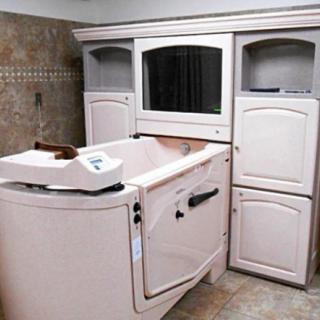
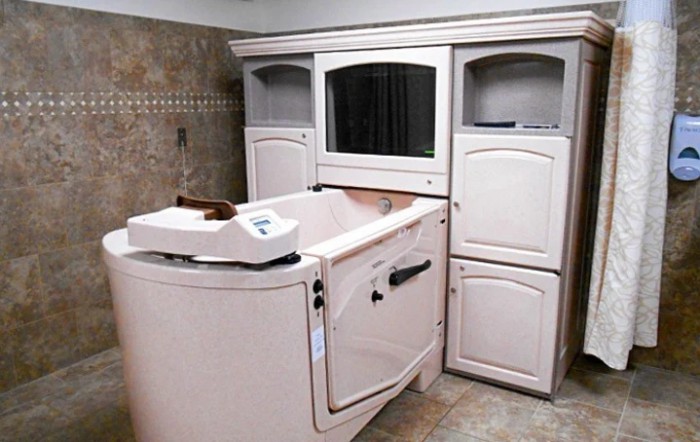
 Assistance with bathing
 Assistance with dressing
 Assistance with transfers
 Diabetes diet
 Medication management
 Mental wellness program
 Special dietary restrictions
 Concierge services
 Planned day trips

 Comprehensive Guide to Qualifying for Home Health Care Services
 Powerful Realities of Elder Abuse and the Most Effective Ways to Report It
 Ten Vital Duties of a Senior Caregiver: A Comprehensive Guide