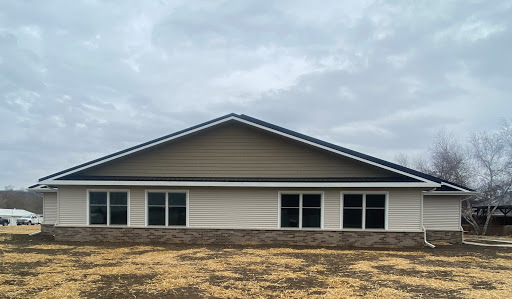




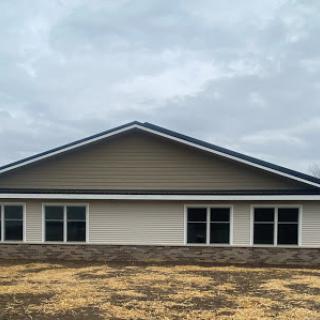



2479 River Road, Decorah, IA 52101
To contact a resident: (563) 382-9691
For more information about senior living options: (866) 208-4318

Overall Review of Wellington Place
Pros
 The nurses are kind and attentive.
- The facility is clean and attractive.
- The memory care unit is very nice.
- The staff are great, and the meals are great, according to family members.
- The staff have been great all around, and the mother is happy there.
- The care is safe, compassionate, professional, and genuinely friendly and supportive.
- The facility provides a 24/7 emergency pendant for residents.
- Doctors visit weekly to ease access to healthcare.
Review
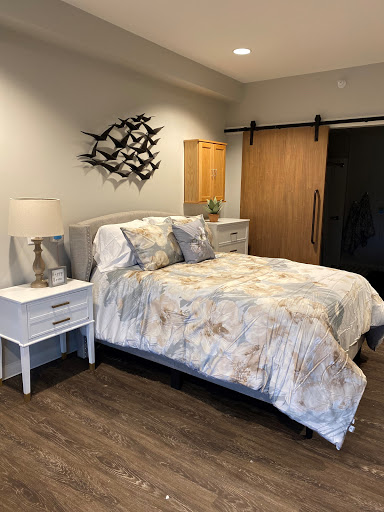
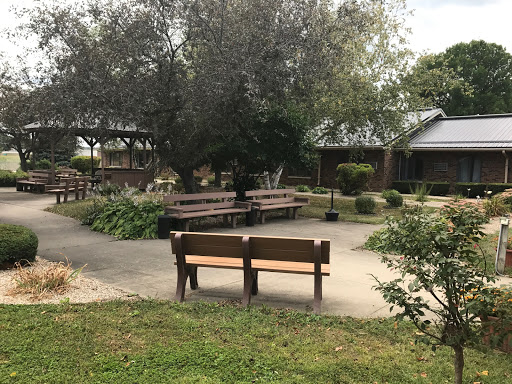
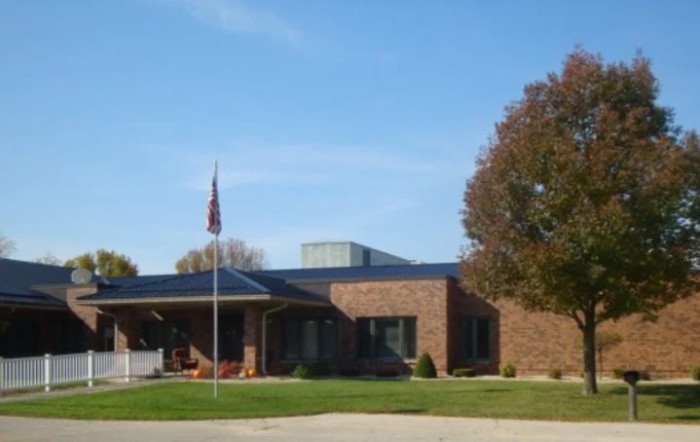
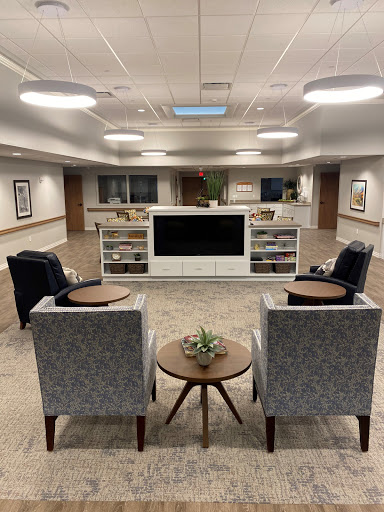
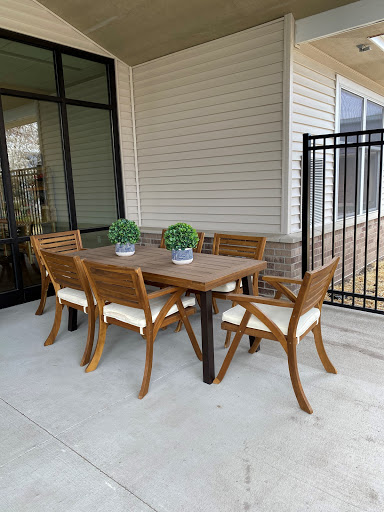
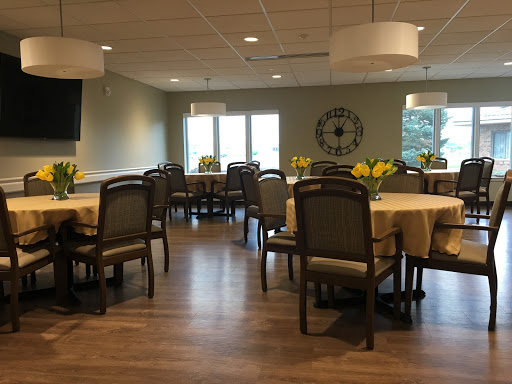
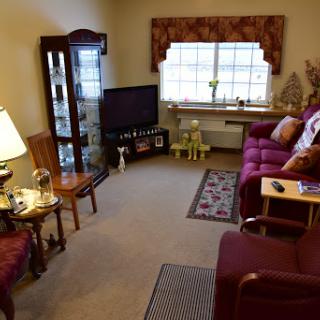
Wellington Place in Decorah, IA is best suited for families seeking a warm, dependable small-community option that blends assisted living with memory care under one roof. The residence appeals to seniors who want a personal, neighborly atmosphere where staff interactions feel genuine and consistent. The consistent praise for nurses and aides, the clean, attractive surroundings, and the stability of long-tenured residents point to a rhythm of daily life that emphasizes safety, kindness, and personal attention. The memory care unit being described as “very nice” adds a crucial layer for families evaluating cognitive support without sacrificing a sense of home. For many, the combination of responsible caregivers, a homelike setting, and accessible services makes Wellington Place a practical choice.
Not every situation will be a perfect fit, and some families may want to consider alternatives. Those with high-acuity medical needs requiring around-the-clock physician presence or a facility with a larger medical staff may find the on-site resources here more limited than desired. Prospective residents who prioritize a broader array of on-site specialty services or a more expansive campus might explore other options. Likewise, families seeking very ultra-modern amenities, or a level of independence that minimizes structured programming, may prefer options with different emphasis. The local, intimate feel comes with trade-offs that deserve clear assessment against individual health trajectories and preferences.
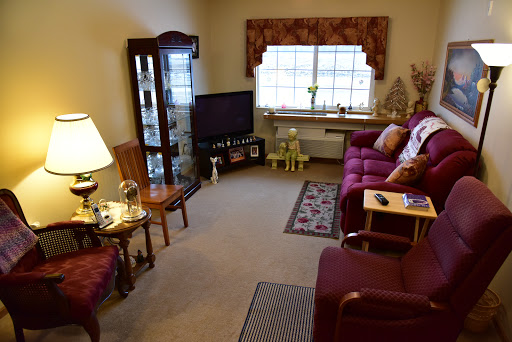
On the upside, the community’s strengths are substantial and well-aligned with practical aging-in-place goals. The staff is repeatedly described as compassionate, attentive, and genuinely friendly, with a track record of dependable care that permeates daily life. Cleanliness and attractive surroundings reinforce a sense of dignity and safety, while the memory care unit’s "nice" presentation supports confidence for loved ones needing cognitive support. Food is consistently praised, which matters for quality of life and regular routine, and the atmosphere feels active without being chaotic. A key operational advantage is the way residents can personalize living spaces and access a broad menu of services, from meal choices and private mail handling to laundry options and medication assistance, without losing independence.
These strengths offset the main potential drawbacks through a practical, person-centered design of care. The availability of a private apartment with personalization options helps residents maintain autonomy while receiving needed assistance, which reduces the risk of unnecessary relocation or disruption. The facility also emphasizes safety through features like a 24/7 emergency pendant, a continuity of nursing oversight, and convenient access to healthcare with weekly on-site physician visits. For families, the result is a predictable, manageable care plan that supports daily routines, social engagement, and timely medical touchpoints, all within a comforting, smaller community setting.
An important caveat is that one review gives a notably lower rating, signaling that not every experience aligns with the prevailing positive trend. While the volume of strong feedback cannot be overlooked, this anomaly warrants careful probing during a tour or conversation with staff. Prospective residents should ask about current staffing levels, especially for memory care, and request up-to-date activity calendars, dining options, and care schedules. Understanding how the team handles transitions if health declines is essential to ensure expectations and realities match, particularly for families balancing independence with increasing support needs.
For families seriously considering Wellington Place, approach the process with a clear checklist. Schedule a first-hand tour and observe interaction patterns between staff and residents. Inquire about staff-to-resident ratios across assisted living and memory care, and speak with the memory care coordinator about programming and safety protocols. Review sample menus, activity calendars, and transportation or errands support. Confirm move-in readiness, including apartment options, personalization processes, and any upfront costs. Finally, verify how care plans adapt as health needs evolve, and request introductions to current residents or family members who can share day-to-day impressions. This approach will reveal whether Wellington Place’s practical strengths translate into the steady, reassuring daily life that families depend on.
 56 resident community capacity
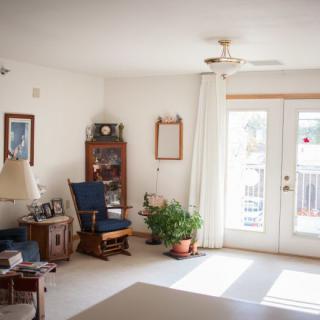
 Studio apartments
 Board and Care Home
 Skilled Nursing Facility
 Air-conditioning
 Beauty salon
 Cable or satellite TV
 Computer center
 Dining room
 Fitness room
 Fully furnished
 Gaming room
 Garden
 Housekeeping services
 Kitchenette
 Move-in coordination
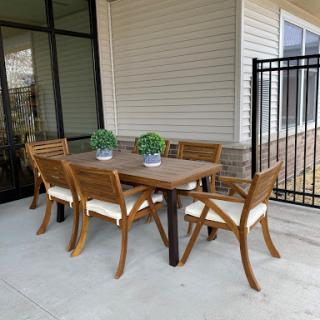
 Outdoor space
 Overnight guests
 Private bathrooms
 Restaurant-style dining
 Small library
 Telephone
 Wellness center
 Wi-Fi/high-speed internet available
 Community operated transportation
 12-16 hour nursing
 24-hour call system
 Activities of daily living assistance
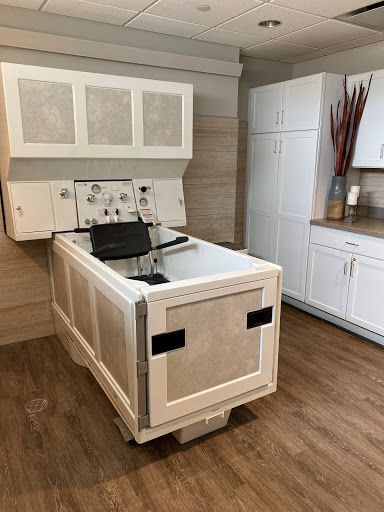
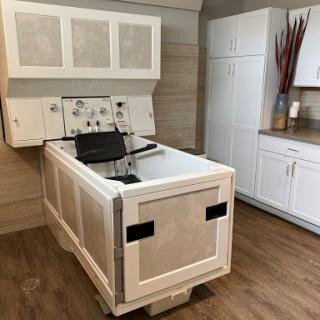
 Assistance with bathing
 Assistance with dressing
 Assistance with transfers
 Diabetes diet
 Medication management
 Mental wellness program
 Physical therapy
 Special dietary restrictions
 Concierge services
 Planned day trips
 English




 Nurturing Our Elders: Linda's Journey of Supporting Her Mother
 A Comprehensive Exploration of Common Misunderstandings about Powers of Attorney
 Senior Move Management: Understanding the Role, Value, and Associated Costs