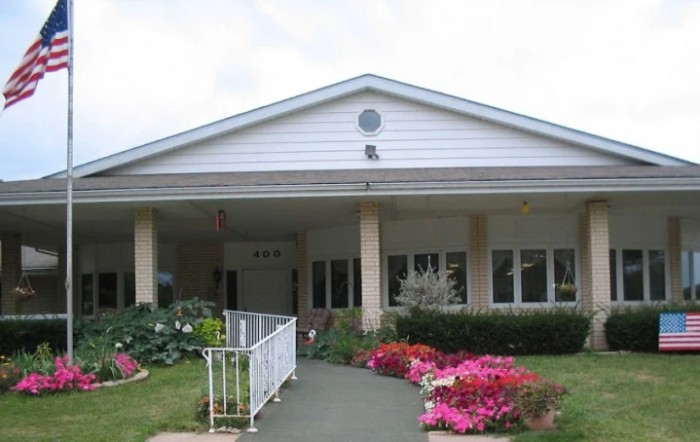
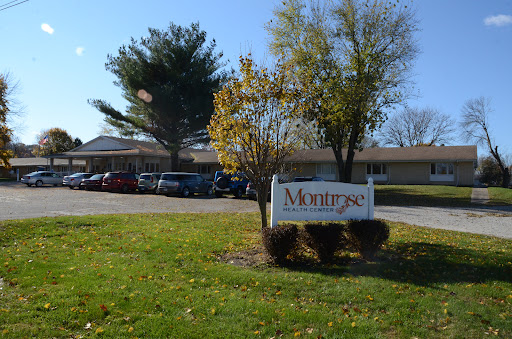
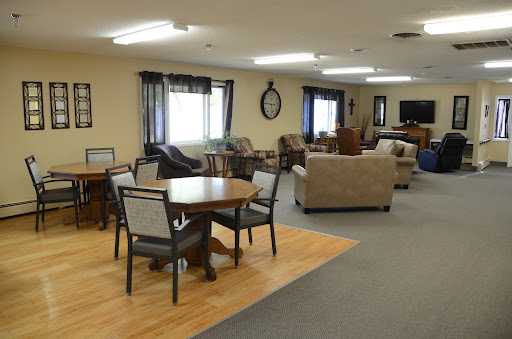
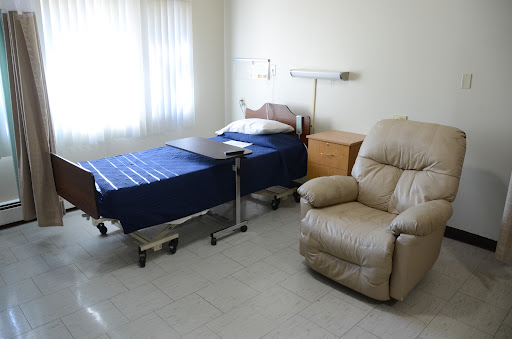


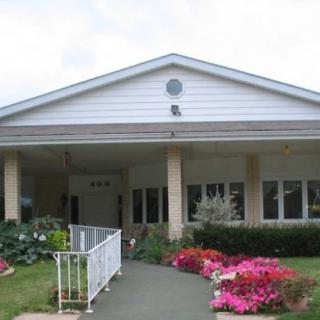

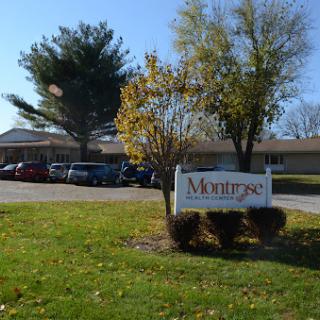




400 South 7Th Street, Montrose, IA 52639
For more information about senior living options: (866) 208-4318
Overall Review of Montrose Health Center
Pros
 The administrative and nursing staff are professional, knowledgeable, and friendly.
- The caregivers are consistently attentive, frequently checking in, and providing excellent care.
- The nurses are great.
- The facility is described as feeling like home for the residents' parents.
- The Montrose Health Center comes highly recommended.
Cons
 The nursing care was bad, and the nurse blew off the patient when asked to call the doctor.
- The reviewer woke up in the ICU with a tub in their mouth.
- A staff member at the new place confronted the reviewer over a check and almost went crazy.
- The reviewer would never want to go there again.
- The nurses ignored loved ones for long periods of time.
- The amenities are old and out of date and need updating badly.
- Administrative employees are horrible to deal with, rude, condescending, and fake.
- They also file false accusations against caregivers and guardians.
Review
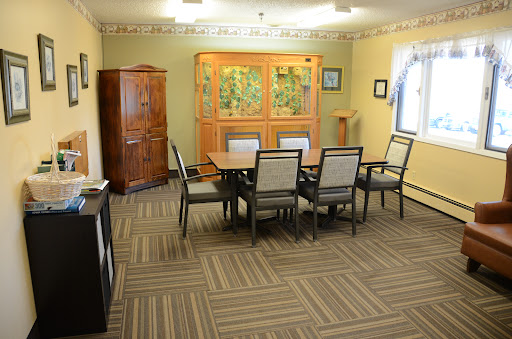
Montrose Health Center is best suited for families that prize a home‑like environment and a nursing team with real staying power. The facility works well when care partners are familiar with residents’ routines, preferences, and histories, delivering a steady, compassionate presence rather than a clinical, impersonal experience. The strength lies in caregiver continuity: long‑tenured staff who know how to check in, anticipate needs, and maintain a dignified daily rhythm. For families seeking warmth, consistency, and a sense of neighborhood care, Montrose can meet those expectations without the clinical distance that sometimes accompanies larger, more modern campuses.
That said, this community is not for everyone. Those who demand consistently proactive administration, transparent communication, and up‑to‑date amenities may want to consider alternatives. Several reviews describe interactions with administrative staff as rude, condescending, or difficult, with guardians or court‑appointed caregivers feeling scrutinized or unfairly treated. The perception of a slow or opaque admissions and discharge process further compounds frustrations for families already navigating stress. If modern facilities, rapid problem resolution, and respectful, cooperative governance are non‑negotiables, Montrose’s drawbacks become more than mere annoyances.
On the upside, the positives tend to be substantive and tangible. When nursing care is engaged, caregivers are described as capable and trustworthy, with local, familiar staff that residents respond to in meaningful ways. The environment can be clean and homey, contributing to a sense of comfort and dignity that families value. Tenured employees translate into fewer disruptions and a smoother daily routine, which matters greatly for residents who thrive on predictability and personal attention. These elements, reliable caregiving, personal connections, and a welcoming setting, often offset some of the less desirable traits in administration and aging infrastructure.
Yet the downsides are real and can be consequential. Allegations of neglect or delayed attention by nursing staff, even if isolated in some accounts, raise legitimate concerns about responsiveness and safety. The friction with administrative leadership, including accusations of belittling or obstructive behavior toward guardians, creates a stressful framework for care coordination. Dated amenities may undermine comfort for residents accustomed to current conveniences and aesthetic upgrades. When these issues converge, they can erode trust and make the overall experience feel unpredictable. In such cases, the perceived quality of front‑line care becomes inseparable from the quality of management.
Balancing these factors, Montrose Health Center can be a solid fit for a particular resident profile: those who value stable, kindly nursing attention and a homey, dignified environment. The central question is whether caregiver continuity and a lived‑in atmosphere outweigh the potential for administrative friction and older facilities. For families that can tolerate and even mitigate administrative gaps, through proactive communication, clear expectations, and direct access to both nursing leadership and administration, the positives may justify the risk. For others, especially those who require highly responsive administration or modernized surroundings, exploration of alternatives is advisable.
Practical next steps sharpen the decision. Arrange a candid tour focused on interaction dynamics: observe nurse responsiveness during routine calls, ask about typical turnaround times for urgent needs, and verify the stability of the nursing staff over recent months. Speak with multiple staff, including a nurse supervisor and the administrator, to gauge how care plans coordinate with guardians and any safeguards in place to protect resident safety. Request current examples of care coordination to see if the facility has closed gaps since older reviews. Montrose Health Center delivers warmth and reliability in caregiving, but it requires families willing to navigate administrative friction and dated amenities; for others, a more modern, consistently responsive option may be the better match.
 46 resident community capacity
 Skilled Nursing Facility
 Beauty salon
 Cable or satellite TV
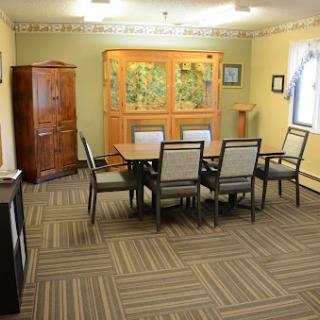
 Dining room
 Fully furnished
 Garden
 Housekeeping services
 Kitchenette
 Move-in coordination
 Outdoor space
 Restaurant-style dining
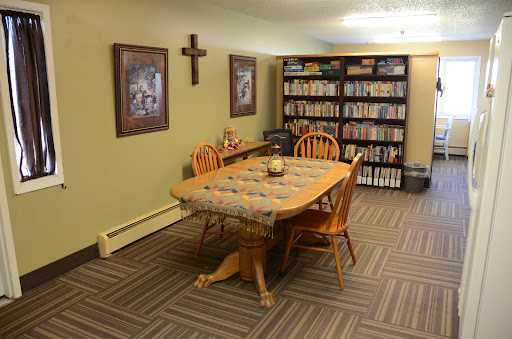
 Small library
 Telephone
 Wi-Fi/high-speed internet available
 24-hour call system
 Activities of daily living assistance
 Assistance with bathing
 Assistance with dressing
 Assistance with transfers
 Diabetes diet
 Medication management
 Mental wellness program
 Special dietary restrictions



 Nurturing Our Elders: Linda's Journey of Supporting Her Mother
 A Comprehensive Exploration of Common Misunderstandings about Powers of Attorney
 Senior Move Management: Understanding the Role, Value, and Associated Costs