
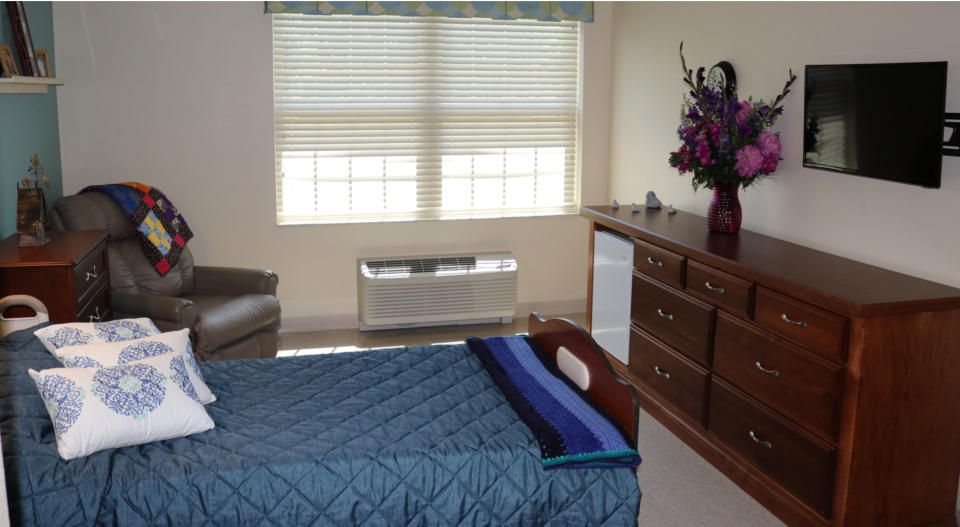


20 Village Circle, Keokuk, IA 52632
For more information about senior living options: (866) 208-4318
River Hills Village Costs & Pricing
In River Hills Village, the monthly cost for a private room is $9,054, positioning it notably higher than the average costs in Lee County, which are approximately $7,677. This discrepancy also extends to the state level in Iowa, where the typical rate for a private room is substantially lower at around $4,670. While River Hills Village may reflect a premium pricing structure, this could be indicative of enhanced services or amenities that cater to residents seeking a more tailored living experience. Potential clients and their families should consider these factors alongside costs when evaluating options for care and support in this region.
| Floor plans | River Hills Village | Lee County | Iowa |
|---|---|---|---|
| Private | $9,054 | $7,677 | $4,670 |
Overall Review of River Hills Village
Pros
 The entrance is nicely mowed and clean.
- The retirement community is nice.
- The facility takes very good care of its residents.
- The staff work well together for the mother and are a blessing to her family.
- The mother is receiving the best care she has ever had.
Cons
 The director lacks medical background and does not know the code of ethics.
- The sister was taken there and passed away within two days.
- The staff were less than courteous.
- The food was bad.
- The sister had the farthest apartment from the cafeteria despite requests for a closer one.
- The administration needed a change and the head of assisted living should be fired.
- The head of assisted living treats clients in a prison-like manner.
Review
River Hills Village in Keokuk is best suited for families that prioritize a warm, community-focused assisted living environment with accessible therapy services and staff who, in many cases, truly rally around a resident. The property presents as a tidy, well-kept campus with a welcoming entrance and a recognizable sense of being a small town retirement setting. For seniors who want daily companionship, routine activity options, and a place where a portion of the care team can deliver consistent hands-on support, this community can feel like a good fit.
However, serious caveats warrant explicit consideration. Several families raise red flags about the level of medical oversight and the warmth of administration, particularly within the assisted living operation. One account alleges an absence of timely medical intervention at a critical moment, framed by criticisms of the director’s medical background and ethics. These claims suggest that for a resident with evolving or moderate medical needs, the response to emergencies or changes in condition may be uneven. Potential residents should weigh whether a similar risk profile is acceptable given the resident’s specific health status and the family’s comfort with decision-making authority.
On the positive side, the reviews consistently highlight a cohesive, caring front-line staff in certain contexts. Families repeatedly describe staff as "great" and speak to a sense of teamwork when assisting loved ones. The facility is credited with delivering meaningful therapy and support, and some families feel that the staff’s day-to-day presence provides real reassurance to loved ones who may worry about ongoing care. The meal service, while variable in perceived quality, is part of a broader picture where responders and caregivers can feel reliable on therapy-based progress and daily routines.
The most troubling notes center on hospitality and operational consistency. Several reviewers report rough edges in the dining experience, with meals described as unappealing and incongruent with expectations for assisted living nourishment. More troubling are accounts of perceived courtesy gaps and a sense that administrative leadership may not be aligned with resident-centered ethics or responsive care. The repeated emphasis on the AL director’s role and the call for leadership changes underscore a potential pattern rather than a one-off issue. Additionally, a reviewer explicitly notes an unfavorable apartment assignment despite requests, pointing to systems that may frustrate families seeking predictable living arrangements or closer proximity to key community amenities like dining spaces.
In balancing pros and cons, the evidence suggests that River Hills Village can deliver genuine daily care and supportive therapy when the front-line team is aligned and engaged. The core value proposition, access to therapy services, a communal atmosphere, and staff who collaborate around a resident’s needs, can offset some of the day-to-day irritants for families who value continuity and visible devotion to residents. Yet the larger questions of medical oversight, administrative responsiveness, and meal quality remain potent counterweights. For families with residents who require reliable immediate medical decision-making, or for those who demand consistently high-quality meals and consistently courteous treatment from leadership, the negatives may outweigh the positives.
Decision-makers should approach with a clear checklist. First, verify the presence of a medically literate leadership structure, including an onboarding plan for emergencies and a clearly defined code of ethics. Second, observe staff interactions during a visit, how they speak with residents, how they handle meal service, and whether therapy services are readily accessible and personalized. Third, request detailed meal plans and sample menus to assess whether nourishment aligns with expectations for assisted living residents. Fourth, seek transparency on room assignments and accommodations, including proximity to common areas and dining facilities. Finally, visit with several staff members and several residents or families to triangulate consistency across shifts and days.
Overall, River Hills Village offers a viable option for families prioritizing community feel and therapy-driven care, with hands-on staff support in many cases. Yet the most consequential concerns, the caliber of medical oversight, the responsiveness of administration, and the quality and consistency of meals, can significantly tilt the decision. For families who can demand accountability, request clear leadership improvements, and insist on stable, respectful daily care, the community can meet meaningful needs. For those requiring robust medical governance, relentless courtesy from leadership, and kitchen quality that matches expectations, alternatives should be actively explored and compared before committing.
 64 resident community capacity
 Assisted Living
 Continuing Care Retirement Community (CCRC)
 Independent Living
 Memory Care
 Skilled Nursing Facility
 Air-conditioning
 Beauty salon
 Cable or satellite TV
 Computer center
 Dining room
 Fitness room
 Fully furnished
 Gaming room
 Garden
 Housekeeping services
 Kitchenette
 Move-in coordination
 Outdoor space
 Private bathrooms
 Restaurant-style dining
 Small library
 Telephone
 Wellness center
 Wi-Fi/high-speed internet available
 Community operated transportation
 12-16 hour nursing
 24-hour call system
 Activities of daily living assistance
 Assistance with bathing
 Assistance with dressing
 Assistance with transfers
 Diabetes diet
 Medication management
 Mental wellness program
 Special dietary restrictions
 Concierge services
 Planned day trips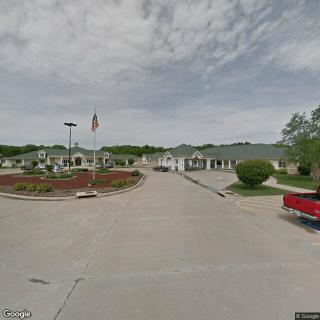




 Comprehensive Insights on the Late Stages of Dementia: What to Expect and How to Provide Care
 Medications Associated with Dementia Risk: A Comprehensive Overview
 Guiding Your Journey: Understanding Power of Attorney for Elderly Parents