

10 Village Cir, Keokuk, IA 52632
To contact a resident: (319) 524-7936
For more information about senior living options: (866) 208-4318
Overall Review of River Hills In Keokuk
Pros
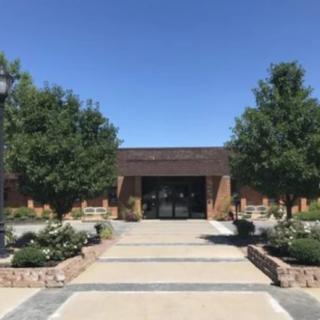
 The entrance is nicely mowed and clean.
- It is a nice retirement community.
- The staff take very good care of residents.
Cons
 It is not a place to take anyone you care about.
- The director lacks medical background and does not know the code of ethics.
- The sister died within two days, and nothing was done to revive her.
Review
River Hills in Keokuk is best suited for seniors who want a tidy, sociable retirement setting with straightforward daily living support, and who don’t require high-acuity medical care on a regular basis. The property presents a calm, well-kept environment, entrances and grounds are orderly, signaling reliability in basic upkeep. Families with a loved one who mostly needs assistance with routine activities, companionship, and predictable daily structure will likely appreciate the sense of community and the perception that care is steady day-to-day.
The strongest practical upside is the day-to-day caregiving that residents report. Families describing “very good care” for a parent living in assisted living point to a responsive, attentive staff for routine needs, help with meds, personal care, meals, and social engagement. The overall atmosphere comes across as welcoming in quiet contrast to larger campuses; the smaller feel can translate into more familiar routines and easier family visits. For residents who value regular supervision and consistent staff presence without requiring frequent medical escalation, River Hills delivers a dependable baseline of support.
But those positives are overshadowed by a fundamental caution: medical governance and emergency responsiveness. A notably concerning review recounts a rapid deterioration in a sister’s condition and asserts the director lacks medical training and a clear ethics framework, with a claim that “they did nothing to revive her” when full code was in place. Even if that account reflects a single incident, it raises serious questions about whether the facility has robust medical oversight, on-call nursing, and a practiced end-of-life decision process. In a setting where medical emergencies can arise suddenly, this perceived gap matters more than most lifestyle conveniences.
The balance of pros and cons depends heavily on resident needs. For a typically ambulatory senior who requires help with daily activities but does not depend on on-site nursing or rapid medical intervention, River Hills offers a stable, comfortable home with dependable caregiving. For families prioritizing medical governance, 24/7 licensed nursing, clear code-of-ethics adherence, and explicit crisis protocols, the price paid in perceived medical risk may be too high. In short, the environment and daily care are solid; the primary concern is whether medical stability and ethical accountability meet the family’s comfort level in a crisis.
Prospective movers should actively vet the facility’s current medical staffing model and emergency protocols before committing. Ask to meet the on-site nurse or administrator responsible for clinical care, review the latest care plan procedures, and request documentation on code status policies and end-of-life decision processes. Inquire about staff-to-resident ratios during day and night shifts, access to physician or nurse practitioner visits, and how quickly changes in health status are escalated. Request a tour focused on the care areas, dining, activity programming, and the residence’s response time to resident needs, then compare with a facility that demonstrates explicit, benchmarked medical oversight.
Ultimately, River Hills is a practical choice for families prioritizing a clean, well-maintained community with reliable daily support and social engagement. It remains less compelling for those who cannot compromise on medical governance and crisis handling. If choosing River Hills, approach it as a low-to-moderate medical-risk option with strong daytime caregiving, but require concrete assurances on on-site medical oversight, ethical decision-making, and emergency protocols. For families with significant medical needs or intense end-of-life planning requirements, alternatives that foreground nursing presence, physician access, and formal ethics oversight should be pursued to avoid being blindsided in a crisis.
 Assisted Living
 Activities on-site
 Devotional services off-site
 Indoor common areas
 Ambulatory care
 Diabetic care
 Meals provided



 Beyond the Bingo Hall: 50+ Enriching Activities for Seniors in Assisted Living
 Understanding the Distinctions: Assisted Living and Memory Care Explained
 Guiding Elderly Parents Who Refuse Assisted Living: 6 Practical Steps