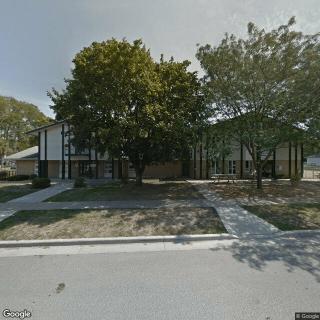
1400 West Main, Mc Gregor, IA 52157
For more information about senior living options: (866) 208-4318
Overall Review of Great River Care Center
Pros
 The stays have been nice.
- The staff works to get to know the residents, which is endearing.
- The facility's smaller size makes it feel more like home.
Cons
 The reviewer characterizes the management as the most horrible they have witnessed in their 23 years in healthcare.
- The Director of Nursing should lose her license.
- Unprofessional behavior and a significant level of incompetence are evident, raising concerns about resident safety.
- The reviewer intends to ensure that no other resident is treated the way their loved one was.
Review
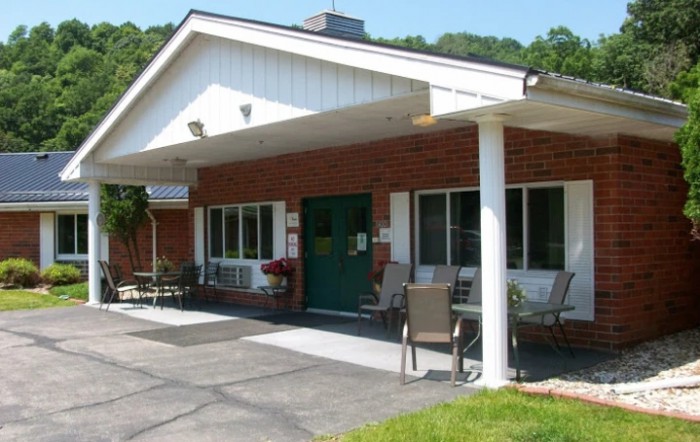
Great River Care Center in Mc Gregor, IA is best suited for families seeking a small, home-like environment where staff can form genuine, ongoing relationships with residents. The facility’s intimate scale tends to create a sense of belonging and familiarity, which can be a meaningful comfort for seniors who value social warmth and individualized attention. In practice, residents often experience staff who take the time to learn names, preferences, and personal histories, contributing to a feeling of being treated like a member of the neighborhood rather than just another patient. This environment can be especially appealing to those who prioritize interpersonal connection and a calmer, less institutional atmosphere.
However, this setting may not be ideal for seniors who require robust medical oversight or high-acuity care. The reviews flag serious concerns about leadership and day-to-day governance, which translates into questions about safety, consistency, and responsiveness in medical matters. For families facing multiple chronic conditions, complex medication regimens, or urgent nursing needs, the risk of inconsistent supervision becomes a decisive factor. In short, the homey charm is real, but it comes with a caveat: stability of clinical oversight and reliable incident handling must be verified before committing long-term.
The strongest positives center on relationship-driven care. The staff’s effort to know residents and treat them as individuals can produce meaningful social engagement, a welcoming routine, and a sense of security from familiar faces during daytime hours. The “smaller facility” dynamic means fewer staff transitions and more predictable staff contacts, which can translate into warmer daily interactions and quicker recognition of subtle changes in a resident’s condition. For residents who prioritize companionship, dignified social life, and a semblance of independence within a supportive framework, these factors carry real value that can offset some logistical gaps.
On the downside, the most consequential drawbacks appear to stem from management practices and administrative leadership. One reviewer described a level of unprofessionalism and incompetence that cast doubt on overall resident safety. While individual experiences will vary, the rhetoric suggests potential problems with accountability, timely problem-solving, and proactive safeguarding, areas where a facility with higher clinical governance would provide greater reassurance. In a setting this small, leadership quality can pervasively color the atmosphere, influence how care plans are executed, and determine how quickly concerns are escalated and resolved.
Balancing these elements requires a clear-eyed appraisal of a resident’s needs. If medical needs are modest and family oversight can be maintained (regular visits, hands-on participation in care planning, prompt flagging of issues), the positives of a home-like, attentive staff model may outweigh the risks. Conversely, for seniors whose conditions demand consistent RN oversight, rapid response to changes in status, or rigorous quality assurance, the cons are hard to overlook. The facility’s appeal rests on personalization and warmth, but the price may be paid in care-defining reliability unless leadership issues are addressed or thoroughly understood before move-in.
For families evaluating options, use a practical, investigative approach. Schedule several in-person visits at different times, including weekends, to observe staff interaction with residents and to gauge whether the ambiance remains calm under pressure. Request direct conversations with the Director of Nursing and the primary charge nurse to learn about staffing ratios, on-site coverage, response times, and how care plans are monitored and adjusted. Ask to review recent incident reports, safety audits, and the facility’s policy on handling complaints. If the answers signal steady governance and transparent communication, the home-like benefits may align with the resident’s preferences; if not, it is prudent to explore alternatives that offer stronger clinical governance and more consistent safety frameworks.
 50 resident community capacity
 Assisted Living
 Skilled Nursing Facility
 Activities on-site
 Beauty salon
 Cable or satellite TV
 Devotional services off-site
 Dining room
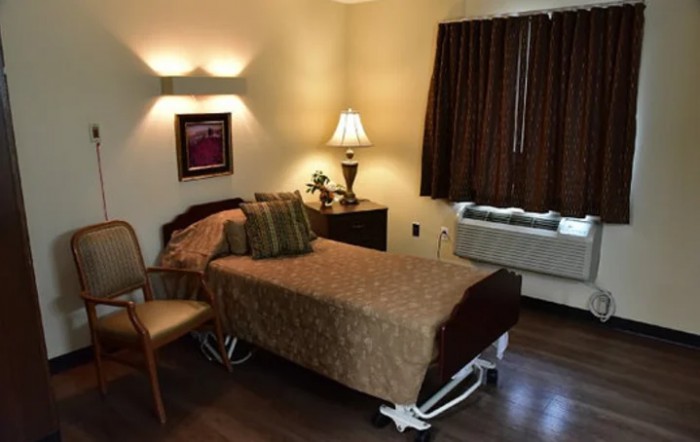
 Fully furnished
 Garden
 Housekeeping services
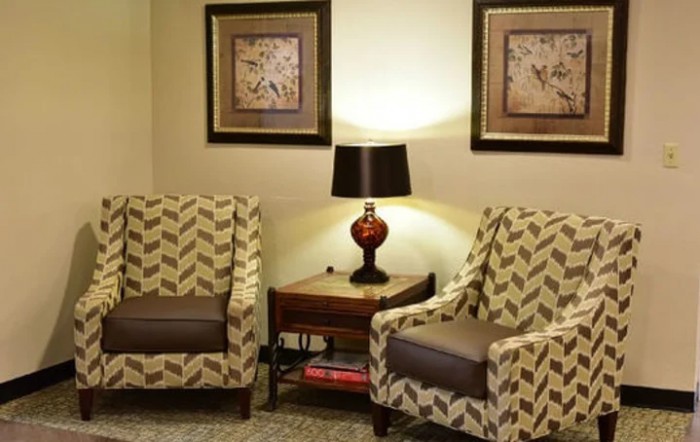
 Indoor common areas
 Kitchenette
 Move-in coordination
 Outdoor space
 Restaurant-style dining
 Small library
 Telephone
 Wi-Fi/high-speed internet available
 24-hour call system
 Ambulatory care
 Assistance with bathing
 Assistance with dressing
 Assistance with transfers
 Diabetes diet
 Diabetic care
 Medication management
 Mental wellness program
 Special dietary restrictions

 Is Assisted Living Deductible on Your Taxes? Understanding the Complexities of Assisted Living Expenses and Deductions
 Assisted Living Support for Veterans: A Complete and Detailed Overview
 Exploring the Contrasts Between Assisted Living and Skilled Nursing