
501 South Kentucky Avenue, Mason City, IA 50401
For more information about senior living options: (866) 208-4318
Overall Review of Heritage Care And Rehabilitation Center
Pros
 The team is very well organized and professional.
- The staff is great and does a very good job.
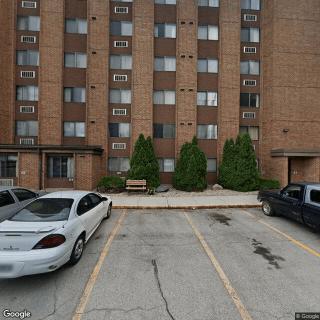
- The outside of the facility is well-kept and well-maintained.
- The social worker is very helpful at arranging financing and related tasks.
- The facility offers adequate parking.
- The brick exterior is neat, tidy, and well taken care of.
- The hospice care provided was outstanding in the final days.
Cons
 The lack of attention, compassion, and human decency shown by the Heritage aide during the grandmother's final moments was unacceptable and extremely disturbing.
- It was shocking that a staff member at the facility could be so rude, crass, and uncaring.
- The reviewer would not recommend this facility.
- Due to COVID, visitors can't even get in the door.
- The interior was not described positively, leaving concern about the inside.
Review
Heritage Care And Rehabilitation Center in Mason City is best suited for families that value a highly organized, administration-driven environment with strong social-work support and clear points of contact. The community earns praise for its orderly operations, a dedicated front-desk flow, and a social worker who actively facilitates financing and care planning. The campus presents a tidy, well-kept exterior, with adequate parking and a straightforward structure that helps families navigate transitions. For families facing the need to coordinate complex arrangements, such as moving a loved one into hospice, arranging payment options, and linking services, Heritage provides a reliable backbone that keeps the process from getting tangled in red tape.
Those most likely to want alternatives are families who prioritize consistently flawless bedside care and peerless compassion across every shift, especially in the moments that matter most. One review recounts a highly publicized failure in the end-of-life phase, describing a caregiver’s lack of attention and human decency during a loved one’s final moments. Although this appears to be an extreme negative within an otherwise strong pattern, it raises a red flag: care culture matters deeply, and one distressing incident can cast a long shadow. For families who fear that a similar lapse could occur, exploring other facilities with a proven track record of consistently warm, resident-centered interaction may be prudent.
On balance, the community’s strongest advantages offset most of the core concerns. The “amazingly” attentive staff and the effective overall operation in daily care come through consistently in multiple reviews, with the social worker repeatedly singled out for helping families secure financing and logistics. The presence of a Hospice Suite in particular highlights Heritage’s capacity to handle advanced care within the facility, a meaningful asset for families facing end-of-life decisions. The outside appearance and the campus’s maintenance contribute to a sense of safety and pride, which often translates into calmer, more stable days for residents and less stress for anxious relatives.
The primary downside centers on the interior experience and a single, troubling account of a caregiver failing to honor a resident’s dignity at a critical moment. While the majority view is favorable, and leadership often gets credit for organization and access to services, this is not a facility where “care as a culture” can be assumed without ongoing oversight. Prospective families should probe during tours about staff training, supervision, and the facility’s response to any future incidents. Ask to meet the hospice team, inquire about incident reporting, and request recent quality-improvement updates to gauge how frontline care is reinforced day to day.
In practical terms, Heritage works best for families seeking a solid, efficient admission-to-discharge process, plus reliable access to social-work assistance and end-of-life services in a cohesive setting. The strong points, organization, financing help, consistent communication channels, and a capable hospice option, make this a strong choice for seniors who thrive in a well-structured environment. The main caveat is the need for vigilant oversight of bedside care culture and staff empathy, especially in moments that demand uncompromising compassion. For those who cannot tolerate even a single lapse, it is wise to compare with facilities that demonstrate an unambiguous, uniformly warm approach to every interaction.
Bottom line: Heritage is a practical, capable option that suits families valuing orderly operations and proactive coordination, with a real strength in hospice readiness and administrative support. It remains a compelling choice for residents who benefit from clear communication and a tidy, well-managed campus. However, families should not disregard the warning signal raised by the negative account and should enter with clear questions about staff training, accountability, and continuous quality improvement. If consistent, universal warmth at the bedside is non-negotiable, exploring alternatives with a documented emphasis on compassionate care across all shifts is a prudent course.
 87 resident community capacity
 Skilled Nursing Facility
 Air-conditioning
 Beauty salon
 Cable or satellite TV
 Computer center
 Dining room
 Fitness room
 Fully furnished
 Gaming room
 Garden
 Housekeeping services
 Kitchenette
 Move-in coordination
 Outdoor space
 Private bathrooms
 Restaurant-style dining
 Small library
 Telephone
 Wellness center
 Wi-Fi/high-speed internet available
 Community operated transportation
 12-16 hour nursing
 24-hour call system
 Activities of daily living assistance
 Assistance with bathing
 Assistance with dressing
 Assistance with transfers
 Diabetes diet
 Medication management
 Mental wellness program
 Special dietary restrictions
 Concierge services
 Planned day trips







 Comprehensive Approaches for Arthritis: A Detailed Guide to Symptoms, Causes, and Care
 Comprehensive Insights and Practical Strategies to Help Older Adults Avoid Falls
 6 Crucial Ways an Elder Law Attorney Assists Families