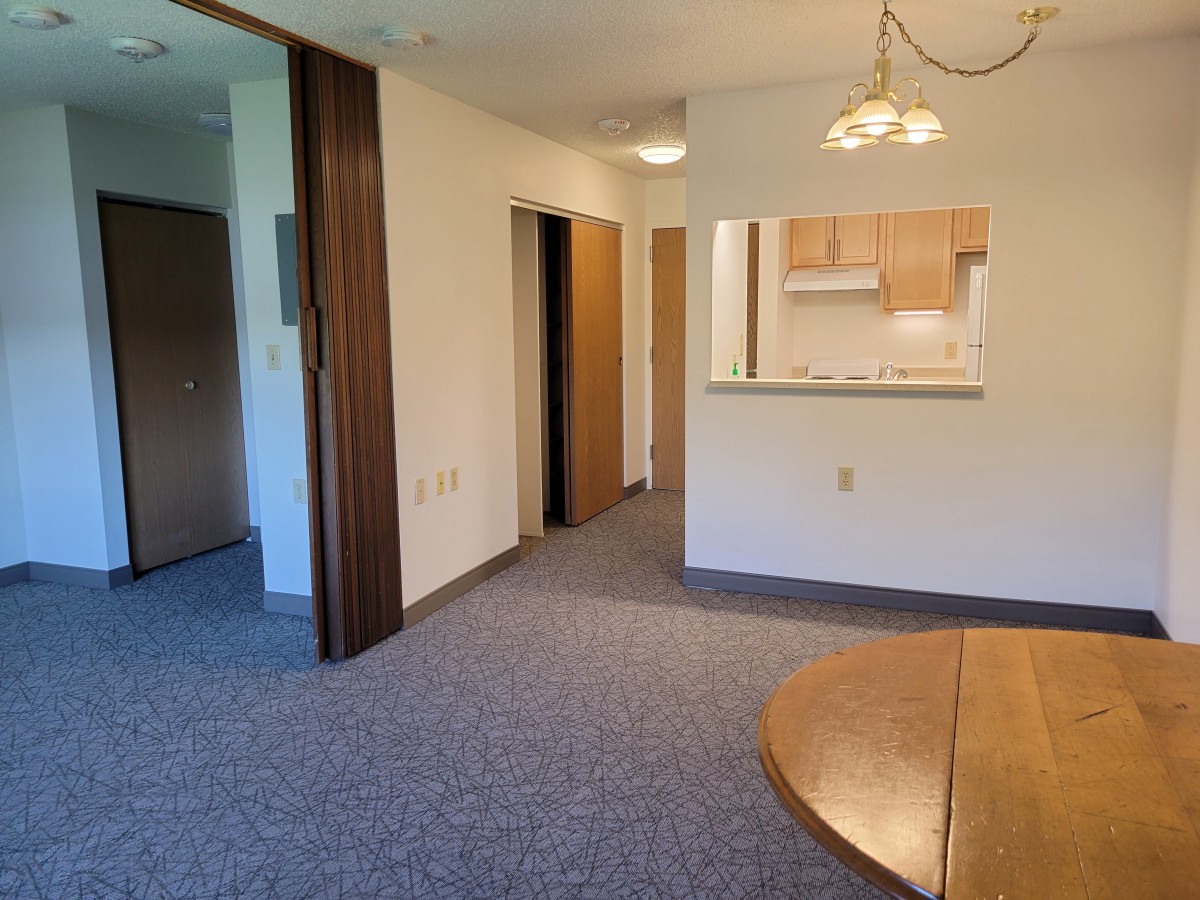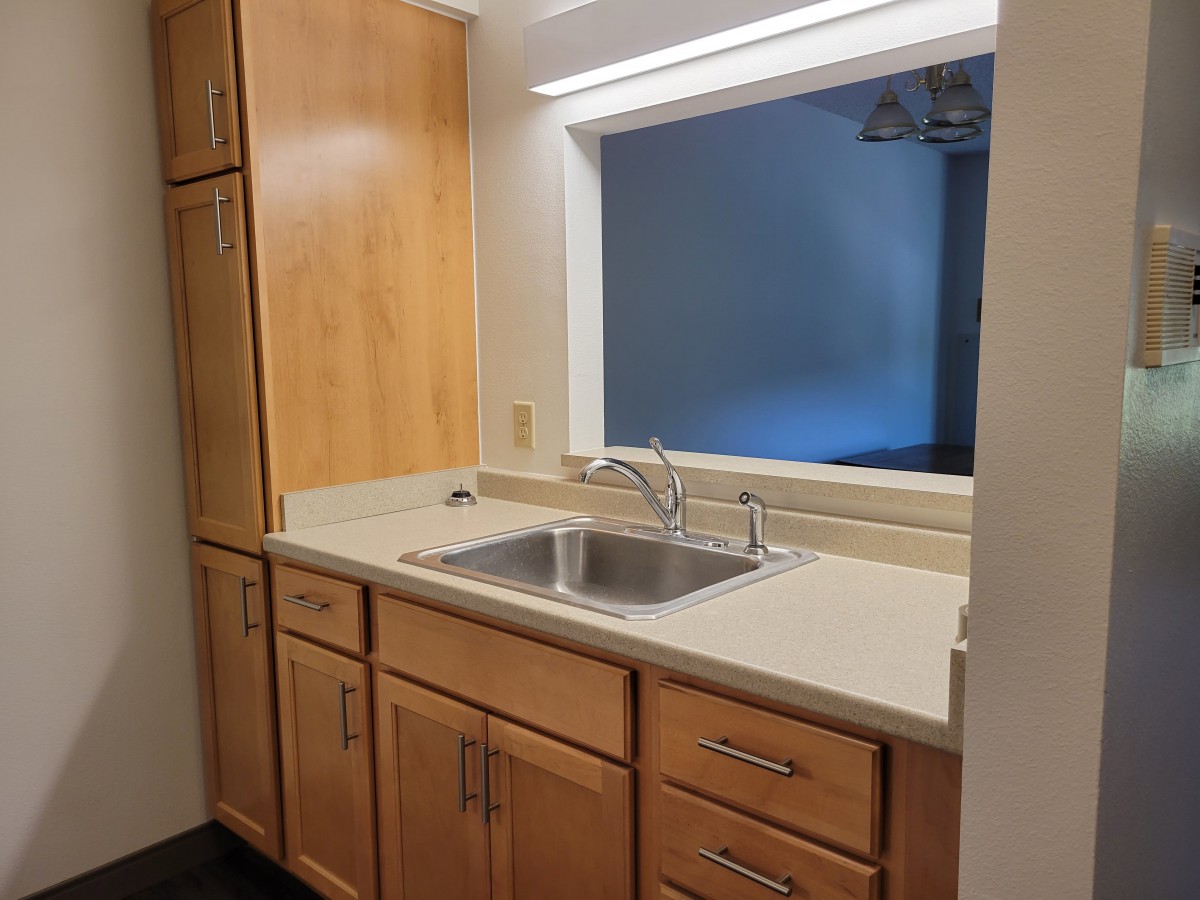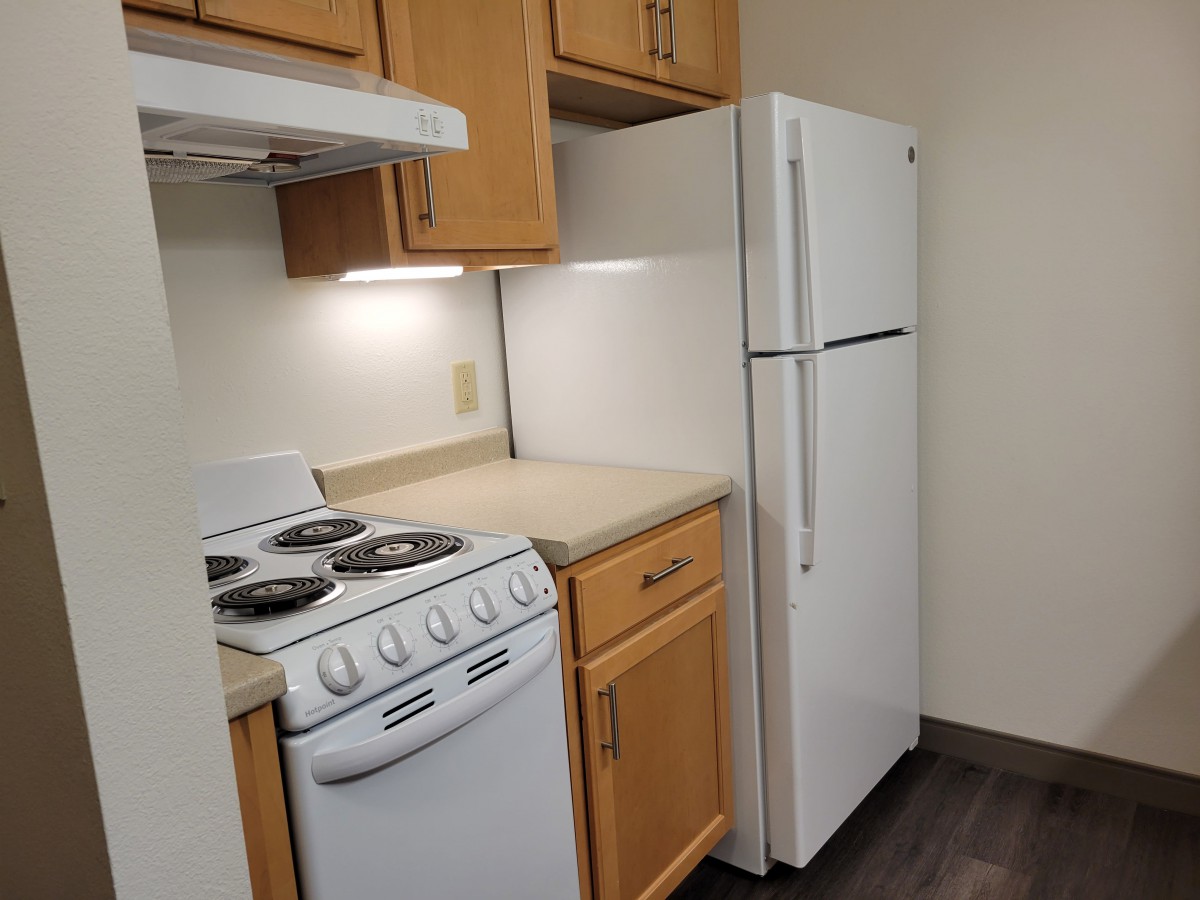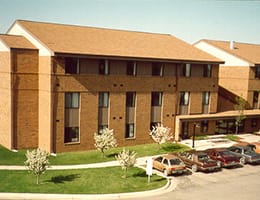

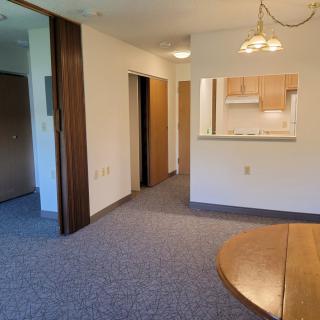
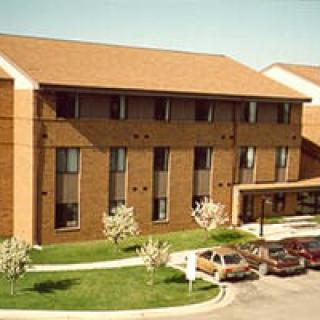
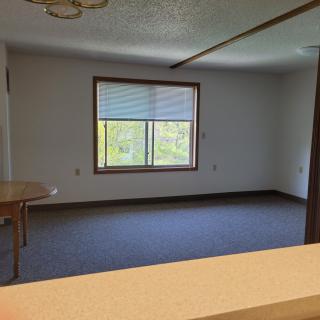
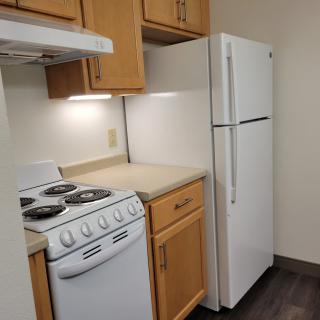
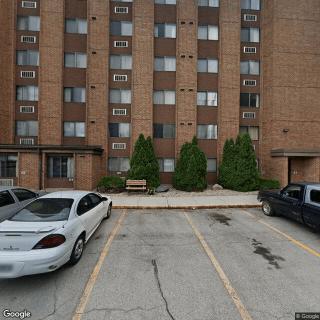
741 S. Illinois Ave., Mason City, IA 50401
To contact a resident: (641) 423-1215
For more information about senior living options: (866) 208-4318
Overall Review of Pilgrim Place
Pros
 It is a good place to live.
- It is one of the best places for senior citizens to live.
- For those seeking an independent senior apartment, it is the place to go.
- Everyone is friendly and residents look after one another.
Cons
 Prilgrim Place claims to be a place for moms, which is not true.
- The mother reports harassment by a neighbor who knocks at odd hours and yells about harming her granddaughter.
- The apartment management cannot do anything about this neighbor.
- There have been six incidents with police involvement, and no effective action has been taken.
- The building is a far cry from being a mom’s place.
- The building is not friendly to visitors.
Review
Pilgrim Place in Mason City is best suited for independent seniors who want a close-knit, neighbor-driven lifestyle where social connection and mutual support come first. It serves residents who prefer a low-maintenance living environment and relish daily opportunities to interact with peers who look out for one another. The ideal occupant is someone who does not yet need regular on-site care, memory support, or formal security interventions. For families seeking a highly supervised setting, guaranteed visitor-friendly policies, or robust care coordination, Pilgrim Place is unlikely to meet those expectations. In short, this community shines for active, self-directed seniors who want communal living without turning care needs into the central focus of daily life.
On the other hand, certain realities make alternatives worth considering. A review landscape includes cautions about neighborhood safety and visitor dynamics, suggesting that the property’s strengths in camaraderie can coexist with real concerns about security and resident welfare. Prospective residents who require consistent, proactive management responses to disturbances or who expect strong visitor access controls may find these gaps significant. Those for whom peace of mind hinges on rapid handling of neighbor-related issues or on clear, prescriptive policies for guests should weigh other options where staff oversight and resident safety are more consistently prioritized.
The main positives of Pilgrim Place, its sense of community, resident-to-resident care, and opportunities for social engagement, often offset nothing when a safety incident arises. Several residents describe an environment where neighbors actively cooperate, share resources, and support one another’s well-being; there is a palpable vibe of mutual accountability that many independent seniors appreciate. Yet this upside relies on a functional social fabric and responsive management. When concerns surface about disruptive neighbors or inadequate intervention, the very strength of a peer-led culture can be compromised, leaving residents feeling unprotected or uncertain about whom to rely on for help.
That dynamic matters for decision-makers because the same strengths that foster belonging can also mask gaps in formal safeguards. If the priority is immersion in a lively, supportive community with familiar faces and informal assistance among neighbors, Pilgrim Place delivers measurable value. If, however, security, predictable guest policies, and timely staff involvement in disputes are non-negotiable, those cons may undercut daily quality of life. In practice, the most important question becomes whether the resident can enjoy social richness without sacrificing personal safety or comfort during evenings and visits from family and friends.
For families evaluating options, the practical path is to visit with a focused checklist: observe the interactions among residents, speak directly with current tenants about how disturbances are handled, and question the level of day-to-day staff presence. Probe visitor policies, are guests welcomed readily, and what processes govern irregular hours or noise complaints? Request recent incident records and management responses to get a real sense of how safety concerns are addressed. Clarify what level of care, if any, can be smoothly added later should health needs begin to exceed independent living. Also confirm the financial terms tied to potential care transitions, because expectations around services vary widely across independent senior housing.
In conclusion, Pilgrim Place offers a solid option for independent-minded seniors who prize community warmth and peer support over formal caregiving structures. The community can deliver meaningful social capital and a sense of belonging that makes days feel connected and purposeful. Yet the presence of legitimate safety-related concerns and mixed perceptions around visitor friendliness means this choice demands thorough due diligence. For residents who require consistent protection, swift management responses, or easy, welcoming access for family and friends, it may be wiser to explore alternatives with clearer safety guarantees and more predictable visitor policies. If this community is seriously under consideration, approach it with a structured plan: arrange candid conversations with staff and residents, verify current safety practices, and insist on observing a trial period or recent incident follow-up to confirm alignment with needs and expectations.
 Active Adult Communities (55+)
 Cats allowed
 Dogs allowed
 Activities off-site
 Indoor common areas
 Outdoor common areas



 A Detailed Exploration of Living Wills and Advance Directives
 Comprehensive Guide to Medicare Coverage for Hospice Care
 Caring for Those Who Care: Recognizing, Understanding, and Overcoming Caregiver Burnout