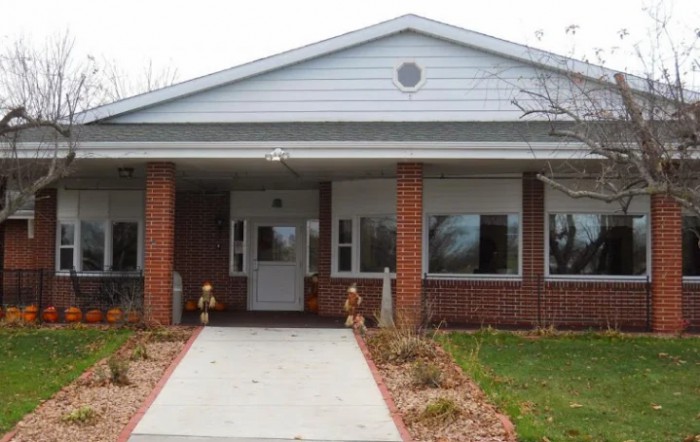
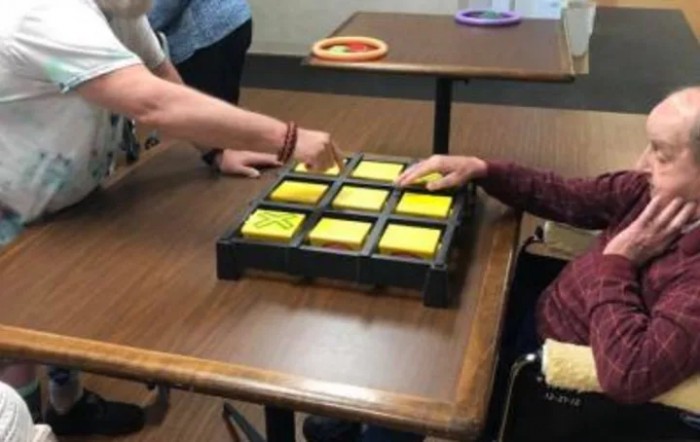
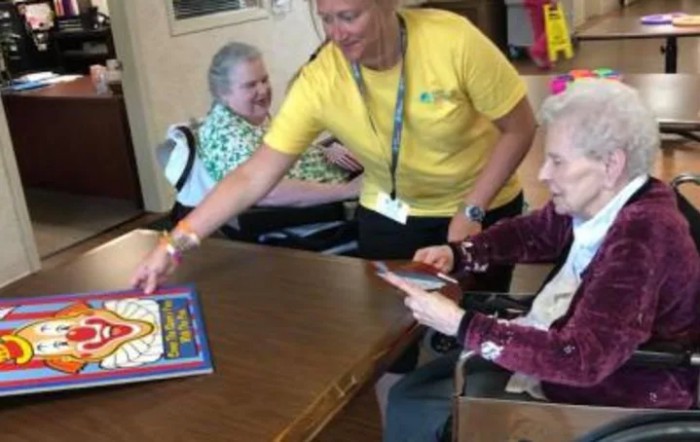
Manly Specialty Care in Manly, IA

Save

Manly Specialty Care in Manly, IA

601 East South Street, Manly, IA 50456

For more information about senior living options: (844) 490-3973

4.2 from 5 reviews
5 stars
4
4 stars
0
3 stars
0
2 stars
0
1 stars
1

Skilled Nursing Facility

Overall Review of Manly Specialty Care

Pros

  • pro Manly Specialty Care is a great community.
  • pro The facility goes above and beyond for its residents and employees.
  • pro The staff demonstrated hospitality and kindness during a dire winter blizzard.
  • pro The rehab care was outstanding from the administrator to the nurses, aides, therapists, and housekeeping.
  • pro The team is described as heroes for their kindness and dedication.

Review

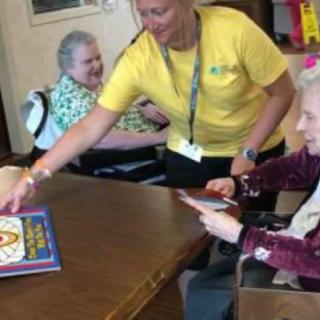
Manly Specialty Care in Manly, IA is best suited for families seeking a hands-on, compassionate post-acute and long-term care environment where staff consistently go the extra mile. The reviews point to a community that treats residents and their families with real hospitality, not as an episodic obligation but as a core value. The standout stories - staff opening their door in a winter blizzard, putting guests up in an empty room, sharing meals, and extending warmth to a daughter in distress - show a culture that prioritizes human connection as much as clinical care. For families navigating rehab after a hospital stay, this is a setting where the care team collaborates across administration, nursing, therapy, and housekeeping to create a cohesive, responsive experience.

That said, there are clear reasons some families may want to consider alternatives. The posted mix includes a single one-star rating in the overall feedback, which signals that not every experience aligns with the high-water marks described in the positive reviews. Without detail, that outlier serves as a reminder to scrutinize personal expectations around pace of care, transparency in communication, and consistency of daily routines. For households prioritizing lowest possible costs, ultra-structured memory-care options, or environments with less emphasis on hands-on hospitality, other communities may offer different trade-offs. The key is to match one's budget and care needs with what this facility demonstrably delivers.

The strongest pros center on people. Administrators, nurses, aides, therapists, and even housekeeping emerge in tandem as the backbone of the operation, delivering a level of attentiveness that families describe as "outstanding." Rehab-focused care is framed as thorough and collaborative, with therapists and nursing teams coordinating to support recovery goals, mobility, and daily functioning. The breadth of commendation - from clinical staff to bedside support - points to a unified mission: ensure residents are not only medically supported but also emotionally and socially engaged. In situations that require flexibility, such as unexpected hospital transitions or emergency needs, the staff's willingness to step in and shoulder practical burdens is repeatedly cited as a decisive advantage.

The primary drawbacks, while not exhaustively documented, arise from the limited volume and detail of the reviews. With most comments framing the experience in the strongest possible terms and a single low-rating note without context, there is a possibility of uneven experiences across shifts or departments that do not surface in praise. Families should prepare for a setting where exceptional care episodes are the norm rather than universal guarantees. The offset here comes from a proven pattern: strong, cross-functional staffing and a culture of hospitality that should translate into reliable daily routines, thorough rehab programming, and responsive problem-solving when surprises occur.

Visiting the community with a clear checklist will clarify fit. Prospective residents should speak directly with the administrator and the therapy team about recovery timelines, discharge planning, and what post-acute milestones look like. Observe interactions between staff and residents - note whether aides anticipate needs, whether therapists collaborate with family members, and how housekeeping and dining staff contribute to a dignified daily rhythm. Ask for a sample day, review transition protocols from hospital to facility, and verify availability of transportation, activity programming, and family involvement in care planning. The practical signal is whether the environment feels consistently coordinated rather than episodically exemplary.

The practical verdict is straightforward. Manly Specialty Care is a strong choice for families that prize a warm, engaged staff and a rehab-centric approach delivered with evident compassion. The stories of hospitality, quick problem-solving, and comprehensive care across an entire team carry real weight for those balancing medical recovery with emotional well-being. The one-star experience on the books warrants careful due diligence; use it as a prompt to drill into day-to-day realities rather than as a sole predictor of performance. For households prioritizing highly personalized, staff-driven care and a community that treats residents like family, this facility earns serious consideration. If cost sensitivity or a demand for highly specific specialty services beyond rehab and general elder care are the primary filters, compare nearby options before finalizing the choice.

Features

Housing

  • 43 resident community capacity 43 resident community capacity

Types of Care

  • Skilled Nursing Facility Skilled Nursing FacilitySkilled Nursing Facilities are crucial for seniors as they provide round-the-clock medical care, rehabilitation services, and assistance with daily activities. These facilities ensure that seniors receive the specialized care they need to maintain their health and well-being as they age.

Amenities

  • Beauty salon Beauty salonBeauty salons are important for seniors because they provide a space for them to feel pampered, socialize, and maintain their personal grooming and hygiene. Regular visits to a beauty salon can help boost seniors' self-esteem and overall well-being.
  • Cable or satellite TV Cable or satellite TVCable or satellite TV is important for seniors because it provides entertainment, news, and companionship, helping to combat loneliness and boredom. It also offers a wide range of programming options tailored to different interests and preferences.
  • Dining room Dining roomDining rooms are important for seniors as they provide a space for socialization, connection, and nutritious meals. They offer opportunities for residents to bond over shared meals, foster a sense of community, and promote healthy eating habits. Dining rooms also ensure that seniors have access to well-balanced meals tailored to their dietary needs and preferences.
  • Fully furnished Fully furnishedFully furnished senior living communities are important for seniors because they provide convenience, comfort, and a hassle-free moving experience. Seniors can easily settle into their new living space without the stress of having to buy and move furniture. This allows them to focus on enjoying their new home and community.
  • Garden GardenGardens are important for seniors as they provide a peaceful and therapeutic environment for relaxation, physical activity, and socialization. Being in nature has been shown to reduce stress, improve mood, and promote overall well-being. Gardens also offer opportunities for seniors to engage in gardening activities, which can improve mobility, flexibility, and cognitive function. Additionally, gardens create a sense of community and connection with others who share a passion for plants and outdoor spaces.
  • Housekeeping services Housekeeping servicesHousekeeping services are important for seniors because they help maintain a clean and safe living environment, promote independence, and reduce the risk of accidents or illnesses. Additionally, having assistance with household chores can alleviate physical strain and allow seniors to focus on other aspects of their well-being.
  • Kitchenette KitchenetteKitchenettes are important for seniors living in senior living communities because they provide the convenience and independence of being able to prepare simple meals and snacks in the comfort of their own living space. This can help promote a sense of autonomy and well-being for seniors, allowing them to maintain some level of control over their dietary choices and daily routines.
  • Move-in coordination Move-in coordinationMove-in coordination is important for seniors because it helps ease the transition into their new living environment. It ensures that all logistics, such as packing, organizing movers, and setting up utilities are taken care of, allowing seniors to focus on settling in and adjusting to their new home. Having a smooth move-in process can alleviate stress and anxiety, making the transition smoother and more enjoyable for seniors.
  • Outdoor space Outdoor spaceOutdoor spaces are important for seniors as they provide opportunities for physical activity, social interaction, exposure to natural light and fresh air, and a sense of connection to nature. Having access to outdoor spaces can improve overall well-being and quality of life for older adults living in senior communities.
  • Restaurant-style dining Restaurant-style diningRestaurant-style dining is important for seniors because it allows them to enjoy delicious, nutritious meals in a social and upscale setting. This enhances their dining experience, promotes healthy eating habits, and fosters socialization with fellow residents, ultimately contributing to their overall well-being and quality of life.
  • Small library Small librarySmall libraries are important for seniors as they provide access to a variety of reading materials, including books, newspapers, and magazines. This can help stimulate their minds, keep them engaged, and provide a sense of community through book clubs and other social activities. Additionally, reading has been shown to improve cognitive function and overall mental well-being in older adults.
  • Telephone TelephoneTelephones are important for seniors as they provide a lifeline for communication with loved ones, emergency services, and healthcare providers. They offer a sense of security and independence, enabling seniors to stay connected and access assistance when needed.
  • Wi-Fi/high-speed internet available Wi-Fi/high-speed internet availableWi-Fi/high-speed internet is important for seniors to stay connected with loved ones, access online resources, and participate in virtual activities to combat feelings of loneliness and isolation. It also allows them to easily manage healthcare needs, access entertainment, and engage in lifelong learning opportunities.

Care Services

  • 24-hour call system 24-hour call system24-hour call systems are important for seniors because they provide peace of mind and immediate assistance in case of emergencies. This technology ensures that help is always available, promoting safety and security for elderly individuals living alone or in assisted living facilities.
  • 24-hour supervision 24-hour supervision24-hour supervision is important for seniors to ensure their safety, well-being, and access to immediate assistance in case of emergencies or health issues. This constant support provides peace of mind for both seniors and their loved ones, allowing them to age in place with dignity and security.
  • Activities of daily living assistance Activities of daily living assistanceActivities of daily living assistance are important for seniors because they provide essential support with tasks such as eating, bathing, dressing, and mobility. This assistance helps seniors maintain their independence, dignity, and overall quality of life as they age.
  • Assistance with bathing Assistance with bathingAssistance with bathing is crucial for seniors as it helps maintain personal hygiene, prevents infections, and ensures their overall well-being and comfort. It also provides a sense of dignity and independence for seniors who may struggle with this task on their own.
  • Assistance with dressing Assistance with dressingAssistance with dressing is important for seniors because it helps maintain their independence, promotes personal hygiene, prevents accidents and injuries, and improves overall quality of life. This service ensures that seniors can continue to dress comfortably and confidently, despite any physical limitations they may have.
  • Assistance with transfers Assistance with transfersAssistance with transfers is crucial for seniors as it helps prevent falls and injuries, maintains their independence, and ensures they can safely navigate their living environment. It also provides peace of mind for both seniors and their loved ones.
  • Diabetes diet Diabetes dietA diabetes diet is crucial for seniors as it helps manage blood sugar levels, reduce risks of complications, and improve overall health and well-being. By following a balanced and nutritious diet tailored to their specific needs, seniors can better control their diabetes and enhance their quality of life.
  • Meal preparation and service Meal preparation and serviceMeal preparation and service are crucial for seniors as they may have limited mobility or energy to cook nutritious meals. Having access to healthy and convenient food options can ensure they are getting the proper nutrition needed to maintain their overall health and well-being.
  • Medication management Medication managementMedication management is crucial for seniors to ensure they are taking the right medications at the correct dosages and times. This helps prevent adverse drug interactions, reduces the risk of medication errors, and promotes overall health and well-being. Proactive management also allows for adjustments as needed based on changing health conditions or new prescriptions.
  • Mental wellness program Mental wellness programMental wellness programs are essential for seniors as they promote cognitive stimulation, emotional support, and social engagement. These programs help prevent isolation, depression, and cognitive decline, ultimately enhancing the overall quality of life for older adults.
  • Special dietary restrictions Special dietary restrictionsSpecial dietary restrictions are important for seniors because age-related changes in metabolism and health conditions can make it difficult for their bodies to process certain foods. By following a diet tailored to their specific needs, seniors can maintain their overall health and well-being, manage chronic conditions, and reduce the risk of complications such as malnutrition or food interactions with medications.

Dining

  • Diabetes diet Diabetes dietA diabetes diet is crucial for seniors as it helps manage blood sugar levels, reduce risks of complications, and improve overall health and well-being. By following a balanced and nutritious diet tailored to their specific needs, seniors can better control their diabetes and enhance their quality of life.
  • Special dietary restrictions Special dietary restrictionsSpecial dietary restrictions are important for seniors because age-related changes in metabolism and health conditions can make it difficult for their bodies to process certain foods. By following a diet tailored to their specific needs, seniors can maintain their overall health and well-being, manage chronic conditions, and reduce the risk of complications such as malnutrition or food interactions with medications.

Activities

  • Community-sponsored activities Community-sponsored activitiesCommunity-sponsored activities are important for seniors as they provide opportunities for social interaction, mental stimulation, and physical activity. These activities can help improve overall well-being, combat loneliness and isolation, and promote a sense of belonging and purpose among older adults.
  • Resident-run activities Resident-run activitiesResident-run activities are important for seniors as they encourage social interaction, creativity, and a sense of autonomy. These activities empower seniors to stay engaged and active in their community while fostering meaningful connections with their peers.
  • Scheduled daily activities Scheduled daily activitiesScheduled daily activities are important for seniors because they provide structure, socialization, mental stimulation, and physical activity. Engaging in regular activities can improve overall well-being and quality of life for seniors living in a community setting.

Description

Manly Specialty Care is an assisted living community located in Manly, IA. This community offers a range of amenities designed to enhance the comfort and convenience of its residents. Each living space is fully furnished and equipped with cable or satellite TV, Wi-Fi/high-speed internet, and a telephone.

Residents can enjoy their meals in the dining room, which offers restaurant-style dining and accommodates special dietary restrictions. Additionally, there is a small library where residents can relax and read.

The care services provided at Manly Specialty Care include 24-hour supervision by trained staff members who provide assistance with activities of daily living such as bathing, dressing, and transfers. The community also offers a mental wellness program to support the emotional well-being of its residents.

For those with specific dietary needs, such as diabetes diets or special dietary restrictions, the staff at Manly Specialty Care can accommodate these requirements.

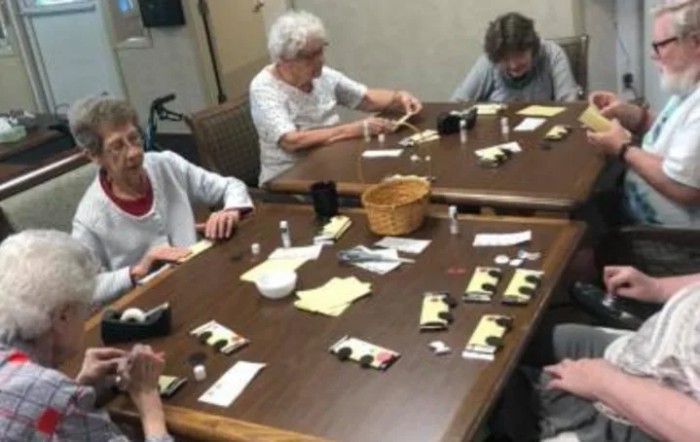
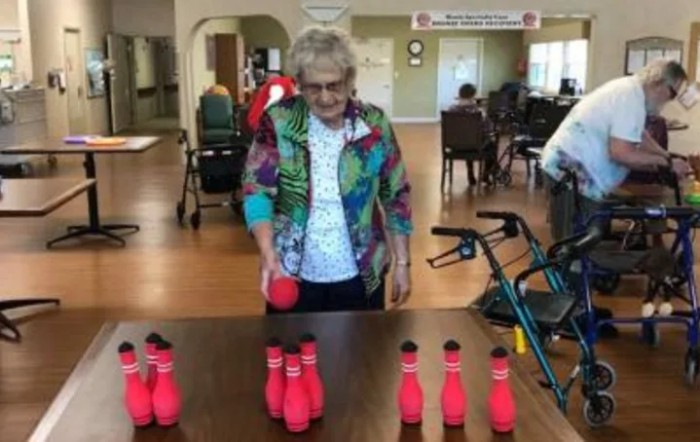
Residents have access to various activities to keep them engaged and entertained throughout the day. These activities are both resident-run and scheduled daily activities organized by the staff.

In terms of location, Manly Specialty Care has one restaurant nearby for convenient dining options outside of the community. Additionally, there are three places of worship nearby for residents who wish to practice their religion.

Overall, Manly Specialty Care provides a comfortable and supportive environment for seniors in need of assisted living services. With its comprehensive amenities, caring staff, and convenient location, this community offers everything needed for a fulfilling lifestyle in Manly, IA.

Nearby Places of Interest

Places of Worship

  • Bethel United Methodist Church (0.2 miles)
  • New Bethel Baptist Church (0.9 miles)
  • United Methodist Church (4.5 miles)
  • Emmanuel Lutheran Church (7.2 miles)
  • Wels (8.3 miles)
  • General Conference Of Seventh-Day Adventists (8.6 miles)
  • Holy Family Catholic Church (8.6 miles)

Restaurants

  • Bootleggers Bar & Grill (4.5 miles)
  • L D's Filling Station (8.3 miles)
  • Birdsall Ice Cream Co. (8.7 miles)
  • Gyro Hut (9.1 miles)
  • Gyro Hut (9.1 miles)
  • Wok & Roll (9.1 miles)
  • Quarry (9.1 miles)

Parks

  • Mason City Dog Park (8.3 miles)
  • Parkers Woods (8.9 miles)
  • East Park Mason City Ia (9 miles)
  • Prairie Playground (9.1 miles)
  • Kuennen Quarry Wildlife Area (9.1 miles)

Cafes

  • Suzie-Q Cafe (9 miles)
  • Starbucks (9.6 miles)
  • Starbucks (9.7 miles)

Physicians

  • North Iowa Family Health Care PLC (9 miles)
  • Central Park Dentistry - Dyala Aboud DDS (9 miles)
  • Mercy Vascular Center (9.2 miles)
  • Mercy Heart Center (9.3 miles)
  • Rajinder Verma, MD (9.3 miles)
  • Jason Chiang, DO (9.3 miles)
  • Ronald Kloc, DO (9.3 miles)

Transportation

  • Budget Truck Rental (9.1 miles)
  • U-Haul Neighborhood Dealer (9.5 miles)
  • K C Cab (9.6 miles)

Pharmacies

  • Houck Pharmacy (9.2 miles)
  • Mercy Family Pharmacies (9.4 miles)
  • Walgreens (9.4 miles)
  • Mercy Family Pharmacy-Westside (9.4 miles)
  • MercyOne Westside Pharmacy (9.5 miles)
  • HyVee Wine and Spirits (9.5 miles)
  • Mercy Family Pharmacies (9.6 miles)

Hospitals

  • Mercy Family Healthline (9.2 miles)
  • North Iowa Mercy Health Center - West Campus (9.5 miles)
  • MercyOne North Iowa Medical Center West (9.5 miles)
  • Anchor Family Health Center (9.6 miles)
  • Mercy Family Care Center (9.6 miles)

Theaters

  • Cinema West (9.9 miles)

Frequently Asked Questions

Where is Manly Specialty Care?
What photos are available for Manly Specialty Care in Manly, Iowa?

Nearby Communities

  • Circle Terrace Lodge

    Circle Terrace Lodge

    Manly, IA


    pro Small, personalized care with comprehensive services.

  • Shalom Tower 2

    Shalom Tower 2

    Mason City, IA


    pro Great nearby amenities (cafes, parks, pharmacies, restaurants, worship, and hospitals).

  • Shalom Tower

    Shalom Tower

    Mason City, IA

    3.4 from 5 reviews
     

    pro Vibrant assisted living with comprehensive care, on-site activities, and spiritual well-being options.

  • Cornerstone AL

    Cornerstone AL

    Mason City, IA

     
    $2,500 to $3,800 / month

    pro Competitive pricing for semi-private/private rooms with strong nearby healthcare.

  • Cornerstone Assisted Living

    Cornerstone Assisted Living

    Mason City, IA

    5 from 1 review
     

    pro Broad care options with 24/7 support and extensive amenities.

  • USA Healthcare Mason City

    USA Healthcare Mason City

    Mason City, IA

    3.8 from 28 reviews
     

    pro Diabetic care support and welcoming indoor common areas for socializing.

  • Kentucky Ridge

    Kentucky Ridge

    Mason City, IA

    3.6 from 5 reviews
     

    pro Amenities-rich facility with 1- and 2-bedroom apartments and comprehensive care services.

  • Mills Harbour & Lake Mills Care Center

    Mills Harbour & Lake Mills Care Center

    Lake Mills, IA

     
    $851 to $5,715 / month

    pro Very affordable studio and 1?bedroom rates relative to county/state averages; multiple care levels offered on-site.

  • Faith Home Assisted Living

    Faith Home Assisted Living

    Osage, IA


    pro Intimate 28-bed community with furnished apartments, 24/7 supervision, ADL support, and restaurant-style dining.

Skilled Nursing Facility in Nearby Cities

Related Resources

  • palliative care at homeExploring Palliative Care in the Home: A Comprehensive Overview

    Palliative care enhances the quality of life for seriously ill patients by providing comprehensive support at home through a multidisciplinary team, addressing various needs and prioritizing comfort over curative treatments. While it offers personalized care and involves family in decision-making, challenges like caregiver stress and logistical issues persist, with growing demand prompting advancements in technology and healthcare policies to improve access.

  • palliative care at homeComprehensive Insights into Palliative Home Care: What It Is and What to Expect

    Palliative home care focuses on improving the quality of life for individuals with serious illnesses by providing comfort, symptom management, and emotional support in their own homes. This approach includes personalized care plans, regular assessments, and resources for family caregivers, all while prioritizing person-centered treatment that aligns with patients' goals.

  • skilled nursing facility vs nursing homeSkilled Nursing Facilities vs. Nursing Homes: Making Sense of the Differences

    Skilled nursing facilities (SNFs) provide high-level medical care and rehabilitation for short-term recovery, typically covered by Medicare after hospitalization, while nursing homes focus on ongoing custodial care for chronic conditions, mainly funded by Medicaid or private payments. The staffing and regulatory structures differ significantly between the two, necessitating clarity for families in choosing appropriate long-term care options.