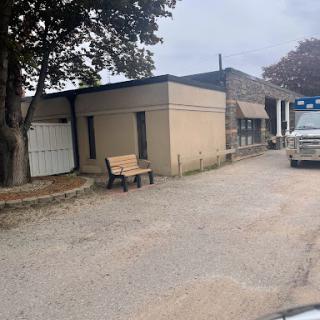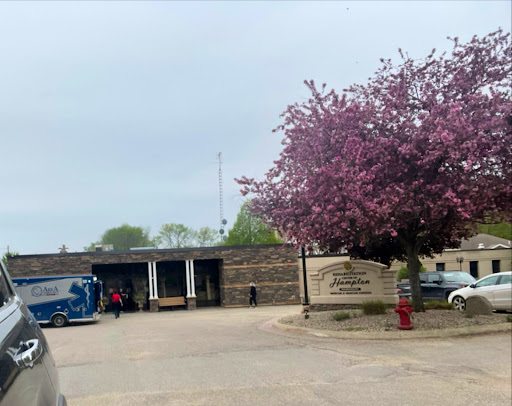
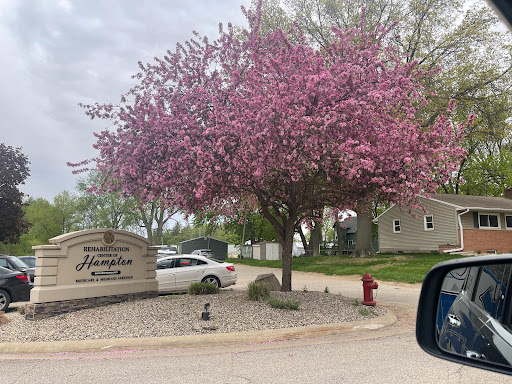
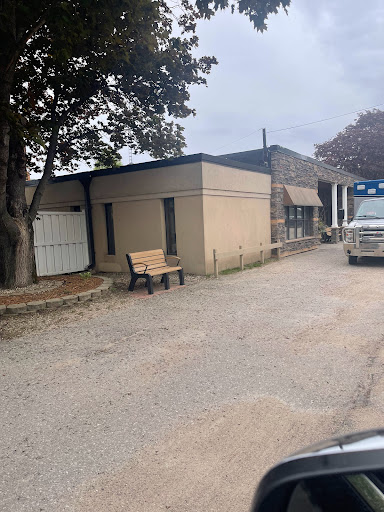
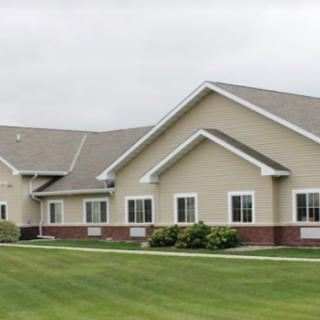
700 Second Street Se, Hampton, IA 50441
For more information about senior living options: (866) 208-4318
Overall Review of Rehabilitation Center Of Hampton
Pros
 The staff are amazing, caring, and friendly, consistently going above and beyond their duties.
- The facility is warm, secure, and welcoming, with attentive staff making the process user-friendly.
- The nurses are caring and genuine, earning praise from residents and families alike.
- The rehabilitation team is effective, helping residents regain independence and confidence.
- The dietary department provides tasteful meals and snacks with a personal touch.
- The center is highly recommended for family living and for comprehensive rehab and skilled care.
- The environment is clean and well-kept, contributing to a pleasant overall experience.
Cons
 They note that most rules and regulations are made by the government, and that being good stewards of time and money is not its strong attribute.
- They remark that no place has reached perfection this side of heaven, implying the facility cannot be flawless.
Review
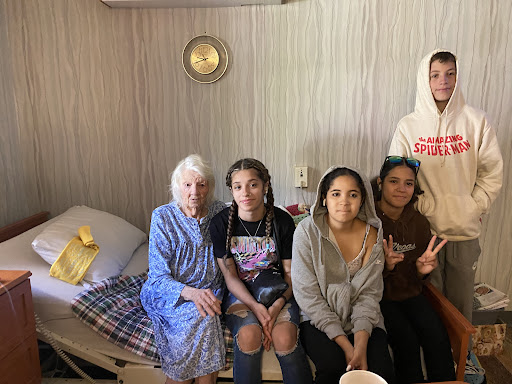
This community is best suited for families seeking a robust, therapy-driven rehabilitation experience with a strong emphasis on staff-to-resident engagement. It works exceptionally well for older adults who are returning home after a hospital stay, surgery, or an acute illness and need skilled nursing support to regain independence. The environment underlines safety, cleanliness, and a social atmosphere where residents are consistently greeted by courteous professionals. For families prioritizing a comprehensive rehab pathway, where therapy teams, nursing, culinary staff, and social services coordinate closely, this campus checks many critical boxes and tends to produce tangible progress toward discharge and home life.
Those who may want to consider alternatives are those whose plan centers on long-term memory care, a smaller intimate setting, or a non-institutional feel. If the goal is a purely assisted-living arrangement with minimal acute medical needs, or a setting with a distinctly quieter, more homelike ambiance, other providers that specialize in memory care, palliative, or purely residential care may be a better fit. Budget sensitivity can also push families toward facilities with different fee structures or different levels of included services. In short, this community shines for post-acute rehab, while alternatives may serve better for people prioritizing a different care model or environment.
The strongest pros revolve around people and process. Staff across roles, nurses, social workers, aides, kitchen and housekeeping, are repeatedly described as caring, professional, and collaborative. The therapy team earns particular praise for guiding residents toward renewed independence, with measurable gains that support discharge planning. Cleanliness and upkeep are consistently highlighted; the dining program earns kudos for taste and variety, offering both dining room and in-room service as preferred. A security-conscious entryway, welcoming front-office culture, and a dynamic, family-inclusive vibe reinforce a sense of trust. When families observe the team going beyond job titles and forming real partnerships, the practical benefits, fewer friction points, clearer communication, and smoother transitions, become clear.
The main cons are not rooted in care quality but in the operational realities of a busy rehabilitation campus. Some reviews point to the inevitable friction that comes with government-regulated processes and the time cost associated with navigating rules and paperwork. That friction can slow admissions, discharge planning, or billing cycles. Yet the surrounding strengths, the proactive, patient-centered staff and the transparent, team-driven approach, tend to offset these bumps. Families who value warmth, responsiveness, and a proactive problem-solving culture will find that the pros substantially mitigate the occasional bureaucratic snag, turning potential irritants into manageable, do-no-harm inconveniences.
From a rehabilitation outcomes perspective, this center delivers on its core promise: residents leave better prepared to resume daily life at home. Therapists actively teach adaptive techniques, reinforce safety, such as transfers, balance, and functional mobility, and frame rehab as a path back to independence. The care team supports not just the medical needs but the practical realities of daily living, including nutrition and the social dimension of recovery. The environment reinforces success: clean rooms, reliable housekeeping, and a cafe-like social rhythm that keeps residents engaged. For families watching for meaningful progress, the combination of practical rehab results and a supportive social ecosystem makes a compelling case.
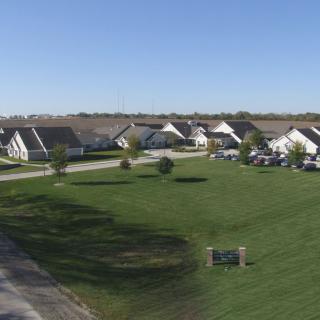
Longer-term considerations matter in the decision. While the campus excels at rehabilitation and skilled nursing within a larger complex that also houses assisted living, those seeking a strictly long-term, non-acute living option should evaluate whether this setting aligns with future needs. The breadth of services can be a strength, but it also means moving within a more mixed-care framework rather than a single-focus environment. Prospective residents who anticipate a lifelong residence with heavy emphasis on continued independence, social programming, and a lighter medical footprint may prefer alternatives dedicated to assisted living or memory care. However, for a family weighing an acute rehab-to-home trajectory, this center stands out for its capability to guide residents through recovery with real momentum.
To proceed decisively, arrange a visit with the admissions and therapy teams to observe workflow, ask how therapy hours are scheduled, and review discharge planning milestones. Inquire about pricing transparency, what’s included in the daily rate, and any ancillary costs that may arise during rehab. Request recent state survey results and staff-to-resident ratios to gauge on-the-ground responsiveness. See if family members can join therapy sessions or care conferences to understand how care plans are communicated. Most crucially, observe the atmosphere in common areas and around meals: a genuine sense of community and consistent, warm interactions are practical indicators of whether the environment will sustain progress after discharge. If those signals align, this facility stands ready to deliver a concrete, outcome-focused rehab journey grounded in care, collaboration, and credible results.
 105 resident community capacity
 Skilled Nursing Facility
 Air-conditioning
 Beauty salon
 Cable or satellite TV
 Computer center
 Dining room
 Fitness room
 Fully furnished
 Gaming room
 Garden
 Housekeeping services
 Kitchenette
 Move-in coordination
 Outdoor space
 Private bathrooms
 Restaurant-style dining
 Small library
 Telephone
 Wellness center
 Wi-Fi/high-speed internet available
 Community operated transportation
 12-16 hour nursing
 24-hour call system
 Activities of daily living assistance
 Assistance with bathing
 Assistance with dressing
 Assistance with transfers
 Diabetes diet
 Medication management
 Mental wellness program
 Special dietary restrictions
 Concierge services
 Planned day trips

 Understanding the Nuances of Palliative Care and Hospice: A Comprehensive Exploration
 Is In-Home Healthcare Tax Deductible? Your Comprehensive Guide
 Nurturing Well-Being Through Gardening: A Detailed Guide for Senior Enthusiasts