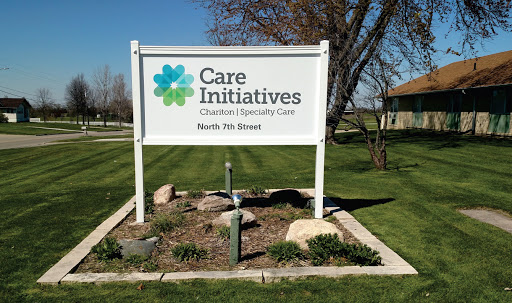

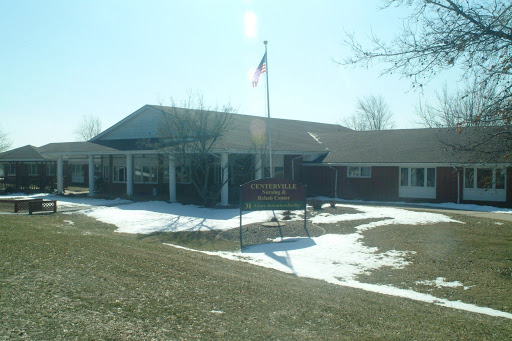

1214 North Seventh Street, Chariton, IA 50049
For more information about senior living options: (866) 208-4318
Overall Review of Chariton Specialty Care
Pros
 Chariton Specialty Care does an excellent job of taking care of residents.
- The team at Chariton is congratulated for a great annual survey.
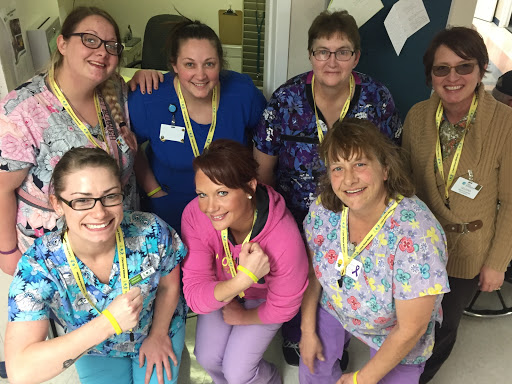
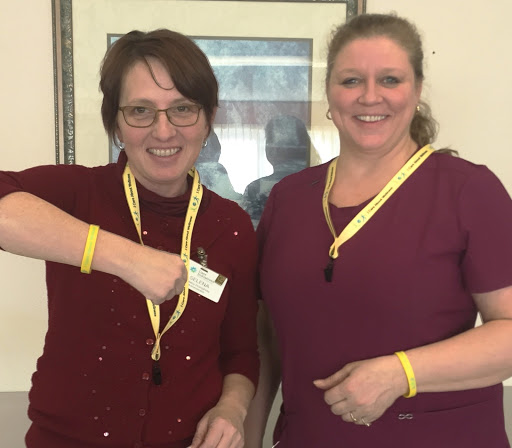
- The staff are awesome.
- The family says the grandmother lived there for over seven years and loved the staff.
- The staff were kind and provided wonderful care during the grandmother's final days.
- The staff have always been helpful and friendly, and they genuinely seem to care about the residents.
- The family is thankful to have this facility as a place to call home for their grandparents.
Cons
 One reviewer noted excessive staff turnover at Chariton Specialty Care.
- Another reviewer described the facility as filthy with smells and peeling wallpaper, saying it didn’t match the marketing video.
- A reviewer called it the worst facility ever, alleging abuse and neglect and saying it should be closed.
- A reviewer complained about poor communication, long hold times, and voicemail with no callbacks about funds.
Review
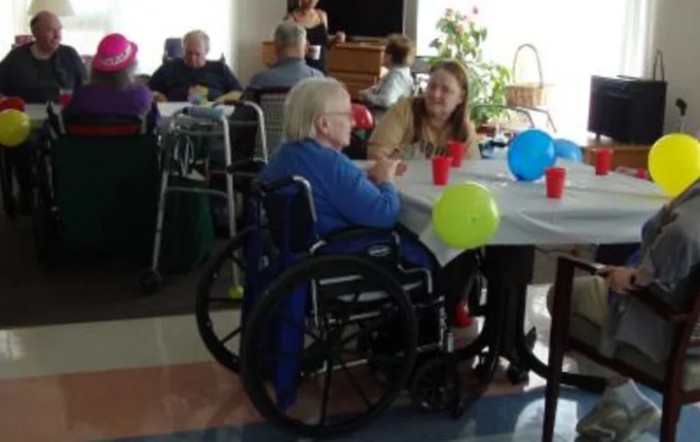
Chariton Specialty Care is best suited for families that prioritize genuine warmth and hands-on attention from a consistent, compassionate caregiving team for loved ones who need skilled nursing and end-of-life support in a home-like setting. The strongest marketing here is lived experience: caregivers who know residents by name, respond with attentiveness, and sustain humane care when health declines. A thread running through longer-term residents is the depth of relationships that develop and endure through transitions. When the decision hinges on steady bedside presence and a culture of kindness, Chariton Specialty Care can deliver an unusually personal level of daily support, which can make a meaningful difference for families who want to feel their loved one is known and valued every day.
That said, this community is not ideal for families that cannot tolerate variability in safety, cleanliness, and administrative reliability. Alternatives should be strongly considered for those who require near-flawless hygiene, consistently professional staffing, and transparent, timely business operations. Cleanliness concerns, noticeable odors, and wall repairs in some rooms, paired with reported struggles around paperwork and delayed communications, are features that demand close scrutiny. The facility’s strengths in warmth do not erase the reality that a portion of reviews describe conditions that raise legitimate questions about overall safety and day-to-day management. For families evaluating options with a more airtight operational track record, other communities may offer greater predictability and fewer red flags.
The main pros, genuine care from staff, a culture where caregivers are frequently praised, and moments of highly compassionate, attentive end-of-life support, do offer meaningful counterweights to the challenges noted. When caregivers sustain long-standing relationships with residents, routines can feel stable and reassuring, and families often report comfort in knowing that staff “genuinely care” about their loved ones. Those strengths are amplified by positive anecdotes about the quality of interactions during critical moments and by the sense that, in the best cases, residents are treated with dignity and respect. Yet these advantages can be offset by the very real downsides: frequent staff turnover disrupts continuity, undermining trust and the reliability of daily care, while administrative gaps can cast doubt on billing, scheduling, and communication with families who are not on site.
The downside voice in the reviews is difficult to ignore. Several accounts describe alarming conditions, claims of abuse and neglect that could jeopardize health and safety, and at least one account emphasizes the potential for serious harm, such as a risk to a resident’s limb. Other reviews paint a picture of an environment in need of improvement: filthy rooms, odors, and wallpaper peeling from walls, alongside friction over paperwork and delays in returning funds or returning calls. Taken together, these reports suggest a pattern of safety and quality gaps that cannot be dismissed, no matter how many heartfelt testimonials exist. The tension between moments of genuine care and episodes of significant concern creates a decision point: the likelihood of a high-quality daily experience hinges on consistent staffing, reliable operation, and transparent accountability.
For families weighing this option, practical due diligence is essential. Schedule multiple visits at different times to observe daily routines and how staff interact with residents, and ask direct questions about staff-to-resident ratios and turnover rates. Request the latest state or accrediting survey results, as well as any corrective-action plans and current incident reports, to gauge how the facility tracks and resolves problems. Inspect living spaces for cleanliness and safety, and verify how housekeeping, maintenance, and room upkeep are scheduled and executed. Probe the billing process and family communication, how often updates are provided, who is the point person for questions, and how quickly concerns are escalated and resolved. If a facility demonstrates measurable improvements and clear, consistent communication, it can compensate for some earlier concerns and remain a viable home for a loved one who needs skilled care. If not, it is prudent to pursue comparably rated alternatives that promise steadier operations and fewer administrative ambiguities.
In sum, Chariton Specialty Care presents a bifurcated value proposition: undeniable warmth and meaningful moments of compassionate care, offset by troubling indications of safety and operational weaknesses. It is a compelling fit for families willing to stay closely engaged, advocate vigorously, and tolerate a degree of unpredictability in daily operations, provided that the resident’s needs align with the strongest aspects of caregiver engagement. For families whose bottom-line priorities include unwavering safety, pristine environments, and consistently reliable administration, other options are likely to deliver greater peace of mind. The prudent path combines a thorough, on-site evaluation with a clear plan for ongoing oversight, plus a well-chosen alternative if red flags remain or escalate.
 75 resident community capacity
 Skilled Nursing Facility
 Air-conditioning
 Beauty salon
 Cable or satellite TV
 Computer center
 Dining room
 Fitness room
 Fully furnished
 Gaming room
 Garden
 Housekeeping services
 Kitchenette
 Move-in coordination
 Outdoor space
 Private bathrooms
 Restaurant-style dining
 Small library
 Telephone
 Wellness center
 Wi-Fi/high-speed internet available
 Community operated transportation
 12-16 hour nursing
 24-hour call system
 Activities of daily living assistance
 Assistance with bathing
 Assistance with dressing
 Assistance with transfers
 Diabetes diet
 Medication management
 Mental wellness program
 Special dietary restrictions
 Concierge services
 Planned day trips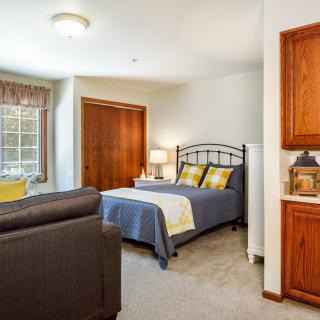





 Ten Vital Duties of a Senior Caregiver: A Comprehensive Guide
 9 Stimulating Memory Activities for Seniors: Puzzles, Cards, and Much More
 Managing Nursing Home Expenses After Medicare Coverage Ends