

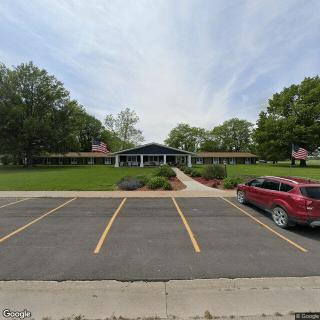
1904 West Howard Street, Knoxville, IA 50138
For more information about senior living options: (866) 208-4318
Overall Review of West Ridge Specialty Care
Pros
 The staff take very good care of residents and are always friendly and helpful.
- The team achieved a deficiency-free annual survey, with amazing survey management and dedication to residents, families, and staff.
- The nurses, aides, therapists, and leadership staff provided attentive and loving care throughout the grandmother’s care.
- Families are grateful for the high-quality care their loved ones receive in their final months and during hospice.
- The staff are knowledgeable and efficient, truly caring for residents, and consistently friendly and helpful.
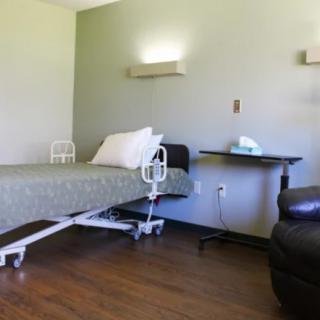
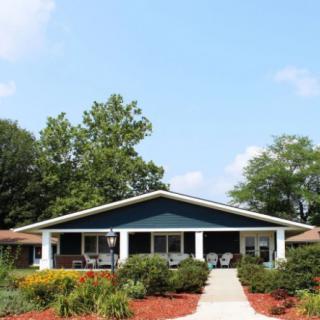
- The facility is a beautiful community with dedicated staff and well-coordinated events that bring joy to residents.
Cons
 This place doesn't deserve any recognition at all.
- Do not let your loved ones go here; this is a horrible facility.
- June left her on a bed pan for over an hour with no way to call for help.
- Most of the time, they didn't respond, leaving her stranded.
- The food was lousy and the staff were incompetent.
- My mother was actually thrown in her bed by a CNA.
- The staff should be ashamed of themselves.
Review
West Ridge Specialty Care in Knoxville, IA is best suited for families seeking a skilled-nursing environment where residents can receive comprehensive rehab therapy, ongoing nursing oversight, and hospice support when needed, all within a community that emphasizes responsive, compassionate staffing. This is a place where therapy recovery is a core strength, care plans are actively managed, and staff are described as friendly, attentive, and professional. For families prioritizing a well-staffed facility with proactive communication, this community presents a compelling match.
Those who may want to consider alternatives are typically driven by budget constraints or by needs that demand very specialized programming. If cost is the overriding factor, or if a resident requires intensive memory-care services with highly specialized behavioral programs, other options may offer a closer fit. Similarly, for families seeking a facility with an unblemished recent safety record in every detail, or one with a longer track record of no organizational turnover, it’s prudent to compare options and review current staffing and governance before committing.
On balance, the strongest positives here tie directly to the care team and the care experience. Several reviewers highlight a deficiency-free annual survey as an indicator of solid compliance and steady, well-run operations. The staff, nursing, aides, therapists, and leadership, are repeatedly described as knowledgeable, timely, and genuinely caring. Residents’ food, laundry, and allergy concerns are addressed promptly, and the atmosphere is frequently noted as beautiful, with staff orchestrating meaningful resident events that reinforce a sense of community. Therapy, in particular, is portrayed as effective and ongoing, with residents receiving skilled rehabilitation through the course of recovery and into the hospice phase when necessary.
Yet the picture is not without troubling undercurrents. Two one-star accounts describe distressing experiences: delays in help, inadequate responses, and perceived neglect or rough handling. One account specifically cites being left on a bed pan for an extended period, while another alleges a violent transfer by a CNA and a lack of accountability. An older review notes a change in ownership and a period of care lapses tied to staffing and supervision. These anecdotes serve as sharp reminders that, in practice, quality can hinge on day-to-day staffing and leadership attention, and they cannot be dismissed as irrelevant.
Those potential risks, however, are tempered by the facility’s apparent strengths and a pattern of positive outcomes. The combination of robust rehab services, attentive nursing, and hands-on leadership creates a framework where most residents receive timely, coordinated care and families feel heard. The community’s ability to coordinate events, assist with insurance and long-term care filings, and respond quickly to concerns across departments contributes to a sense of reliability that many families value when navigating difficult transitions. The real test for any family is to assess current performance, something best done through direct conversations with staff, a tour, and a careful review of the latest survey results and incident-resolution practices.
For families leaning toward West Ridge, the recommended course is clear: arrange a thorough visit, request meetings with the therapy director and the charge nurse, and ask for recent care-planning examples. Verify how current ownership and management operate on a daily basis and inquire about staffing ratios, turnover, and the facility’s process for incident reporting and follow-up. If the goal is a place where skilled rehabilitation blends with compassionate oversight and a responsive care team, West Ridge offers a solid, practical option. If, however, the priority is absolutely flawless safety history with no lingering concerns or a level of specialized dementia programming beyond what this community provides, exploring alternatives is warranted.
 78 resident community capacity
 Skilled Nursing Facility
 Air-conditioning
 Beauty salon
 Cable or satellite TV
 Computer center
 Dining room
 Fitness room
 Fully furnished
 Gaming room
 Garden
 Housekeeping services
 Kitchenette
 Move-in coordination
 Outdoor space
 Private bathrooms
 Restaurant-style dining
 Small library
 Telephone
 Wellness center
 Wi-Fi/high-speed internet available
 Community operated transportation
 12-16 hour nursing
 24-hour call system
 Activities of daily living assistance
 Assistance with bathing
 Assistance with dressing
 Assistance with transfers
 Diabetes diet
 Medication management
 Mental wellness program
 Special dietary restrictions
 Concierge services
 Planned day trips





 Senior Move Management: Understanding the Role, Value, and Associated Costs
 Weight Training for Seniors: Building Strength and Vitality
 Understanding the Sandwich Generation: Stress and Responsibilities for Multigenerational Caregivers