
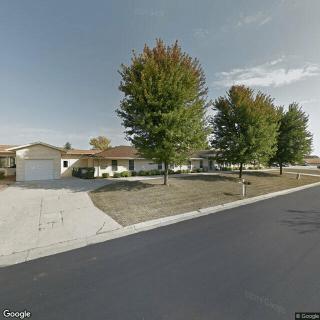
109 Mission Drive, Buffalo Center, IA 50424
For more information about senior living options: (866) 208-4318
Overall Review of Timely Mission Nursing Home
Pros
 TMNH staff members are very friendly and provide excellent care to residents.
- The facility is very clean.
- Families would highly recommend the care center for their loved ones.
Cons
 They claim Lorie and the staff were responsible for deaths caused by neglect and cruelty.
- They state there was a blatant disregard for human lives entrusted to the facility, resulting in premature deaths.
- They describe the staff as “pigs” and accuse them of abusing residents in care.
- They fear proper care may not be provided in this facility and that the wrongdoings will not be punished.
- They note that Virginia Olthoff died there from dehydration and had been given only Tylenol for severe pain.
Review
Timely Mission Nursing Home in Buffalo Center, IA is best suited for families seeking a small, home-like residence where daily care is steady, staff are responsive, and the environment remains clean. It works well for seniors who need assistance with activities of daily living and prefer a facility with a personal, community feel over a large corporate campus. The strongest draw is reliable human warmth and attentive routine care delivered in a setting that feels manageable and approachable. However, this is not the place for those requiring aggressive medical oversight or constant clinician availability. Families with residents who have complex conditions, frequent acute changes, or significant pain-management needs should consider alternatives that offer deeper medical staffing and tighter oversight.
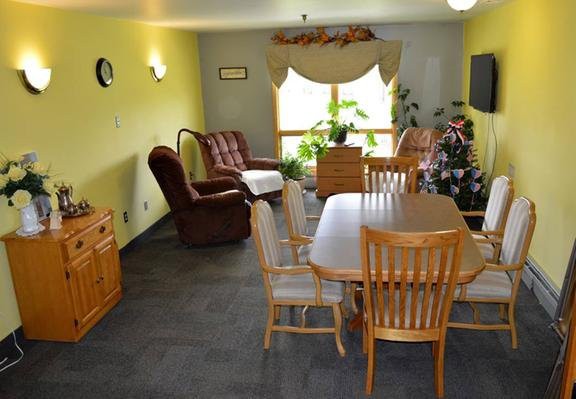
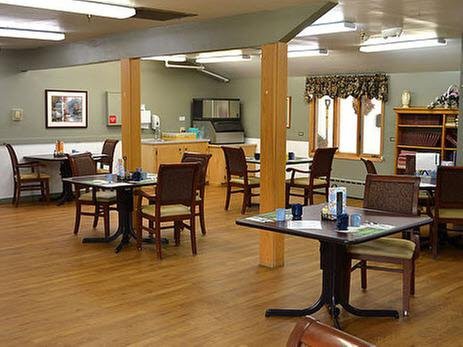
On the upside, the core appeal centers on staff friendliness and tangible attentiveness. Reviewers consistently describe caregivers who treat residents with warmth and respond promptly to daily needs, questions, and concerns. The facility also earns praise for its cleanliness and the sense that residents live in a well-maintained, orderly environment. One family member traces a long arc of satisfaction from caring for both parents to confidently recommending the center to others, underscoring a stable, personable care approach that helps relatives feel their loved ones are treated with dignity day after day. For many families, these day-to-day interactions translate into less stress during the transition to long-term care and a sense of continuity in routines.
Yet the flip side cannot be ignored. Two of the six reviews carry grave accusations about neglect and unsafe conditions, including dehydration and insufficient pain management. Language in the complaints is pointed, naming a staff member and calling for accountability, which raises questions about oversight, staff training, and escalation protocols. In a setting where medical needs can shift quickly, such allegations demand careful scrutiny, transparent explanations, and visible improvements if any are true. The existence of these warnings alongside positive feedback creates a tension that prospective families must weigh when deciding whether the care environment aligns with safety expectations and risk tolerance.
Pros do offset some concerns if the resident’s profile matches the facility’s strengths. A calm, clean environment with friendly, reliable aides benefits seniors who need help with baths, dressing, meals, and basic mobility but do not require frequent physician interventions. The facility’s success in delivering routine care can mitigate worries about general care quality, but only if staffing remains consistent and supervision is solid. When incidents suggesting neglect surface, however, trust and predictability become the critical tie-breakers for families balancing warmth with safety. Transparency about staffing levels, incident follow-ups, and caregiver accountability should be non-negotiable in the decision process.
Those with residents who repeatedly require complex medical management, IV therapy, aggressive pain control, or high-dependency needs should consider alternatives in the region that provide deeper medical staffing and hospital-style oversight. Families who demand stronger assurances about incident reporting and accountability will want facilities with documented quality-improvement programs and accessible administrator responses. If possible, visit at different times, request recent caregiver-to-resident ratios, review incident logs, and speak with current residents or family councils to gauge whether the care culture aligns with expectations for safety, advocacy, and proactive problem-solving.
In the end, the decision hinges on a clear risk-benefit calculation. Timely Mission Nursing Home can deliver steadiness, warmth, and a clean living space that supports daily functioning and quality of life in a low-stress setting. However, serious allegations require diligence: verify with the administrator, request recent performance metrics, and seek corroborating references before committing. Potential residents and families will maximize confidence by conducting in-person tours, testing responsiveness, and clarifying pain-management policies, medication administration routines, and emergency escalation processes. If those elements align with standards, Timely Mission offers a practical, neighborly option; if not, pursuing alternatives with stronger medical oversight may be the prudent choice.
 46 resident community capacity
 Skilled Nursing Facility
 Beauty salon
 Cable or satellite TV
 Dining room
 Fully furnished
 Garden
 Housekeeping services
 Kitchenette
 Move-in coordination
 Outdoor space
 Restaurant-style dining
 Small library
 Telephone
 Wi-Fi/high-speed internet available
 24-hour call system
 Activities of daily living assistance
 Assistance with bathing
 Assistance with dressing
 Assistance with transfers
 Diabetes diet
 Medication management
 Mental wellness program
 Special dietary restrictions



 Navigating the Financial Road to Nursing Home Care: In-Depth Guidance and Resources
 Supportive Employee Benefits That Help Caregivers Attain Better Work-Life Harmony
 Top Cars for Senior Drivers and Essential Safety Innovations