
610 Summit Drive, Fairmont, MN 56031
For more information about senior living options: (866) 208-4318
Overall Review of Woodland Manor
Pros
 It was a godsend to the family to know that she was happy and surrounded by friends.
- She was able to live in her own apartment for many years, with daily help with dressing and with household activities, and meals provided in the dining room.
- The family expressed gratitude to Maplewood.
Cons
 The caller didn’t listen to important information before admitting him.
- The staff member seemed to be in a hurry.
- The staff failed to tell the family that the email was private, which caused him to miss his weekend medication.
- There were no updates provided to the family.
- The social worker was unavailable because she was moving offices.
- Staff did not return calls or messages.
- The system had the wrong phone number, causing missed communications.
- The discharge process was confusing and extended his stay.
- Overall, communication with the staff was terrible.
Review
Woodland Manor in Fairmont is best suited for seniors who want to stay in an apartment-style setting while receiving daily assistance and meals in a dining room. It works for families seeking a transition option that emphasizes independence, social connection, and on-site caregiving without forcing a move into full-time skilled care. The arrangement can deliver steady daily support and a sense of community when operations run smoothly. However, it is not the right match for those who require rigorous medical coordination, precise discharge planning, and consistently proactive communication. For those priorities, exploring alternatives with stronger care-management systems is prudent.
Those with time-sensitive medical needs, strict medication oversight, and predictable, well-communicated discharge plans should consider other communities. Woodland Manor’s strength lies in offering an independent living vibe with supportive services, but the trade-off appears to be inconsistent information flow and slower responsiveness from care staff. Families that rely on timely updates, clear care conferences, and a dedicated point person will likely encounter friction here. Alternatives with dedicated resident advocates and formalized communication protocols would likely better meet expectations for medical coordination and transparency.
On the positive side, the facility delivers tangible independence-enhancing benefits. Residents can retain their own apartments while receiving help with dressing and daily activities, and meals are provided in the dining room, which supports dignity and routine. The social environment, common dining, shared activities, and peer interaction, can significantly reduce isolation and help families feel confident that their loved one remains engaged and safe. These advantages are meaningful counterbalances to the daily care load and can help families justify the choice when coordination is reasonably reliable.
The most salient drawbacks center on communication and process reliability. In at least one account, intake staff did not fully listen, and a medication issue went unresolved over a weekend because the family was not informed promptly. Updates were inconsistent, and the social worker appeared tied up with office moves, delaying essential information and discharge decisions. Calls to the care team often went unreturned, and a care conference was missed due to contact information errors. These gaps erode trust and can create dangerous delays in care transitions, planning, and responsiveness.
A contrasting, clearly favorable example within the community highlights the potential upside. When a resident can live in an apartment for an extended period with hands-on dressing support and regular meals, while enjoying companionship, a family-friendly environment emerges that rivals traditional nursing-home models for quality of life. It demonstrates what Woodland Manor can deliver when administrative and clinical teams align around a resident’s routine, preferences, and communication needs. This demonstrates that the facility is capable of delivering a very good experience, provided care coordination and administrative discipline are consistently in place.
Bottom line: Woodland Manor can be a practical, comfortable option for seniors who prize independence with modest daily support and social interaction, so long as the care coordination and communication framework meet dependable standards. Families should come prepared with concrete questions about intake responsiveness, medication management protocols, discharge procedures, and who will manage care conferences. Request a direct line to a resident advocate or appointed social worker, and ask for written policies on forwarding updates and handling weekend coverage. If these elements can be demonstrated and sustained, Woodland Manor becomes a viable, well-rounded choice; if not, alternatives with steadier communications and more rigorous care management warrant serious consideration.
 21 resident community capacity
 1-bedroom apartments
 Assisted Living
 Skilled Nursing Facility
 Beautician on-site
 Cable or satellite TV
 Dining room
 Financial aid
 Full kitchen
 Fully furnished
 Garden
 Housekeeping services
 Laundry
 Move-in coordination
 Outdoor space
 Party space
 Resident parking
 Respite or short term stays offered
 Telephone
 Wi-Fi/high-speed internet available
 24-hour call system
 Activities of daily living assistance
 Assistance with bathing
 Assistance with dressing
 Assistance with transfers
 Blood work
 Diabetes diet
 Hospice care
 Meal preparation and service
 Medication management
 Mental wellness program
 Physical therapy
 Special dietary restrictions
 Transportation arrangement (medical)
 Transportation to doctors appointments
 Live musical performances
 Religious services
 English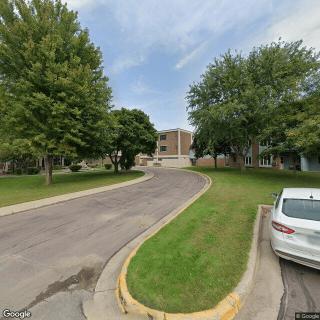

 8 Key Indicators That Suggest It May Be Time to Transition from Assisted Living to Skilled Nursing Care
 Vibrant Senior Living: A Comprehensive Guide for Active Older Adults
 When to Transition from Assisted Living to Memory Care: Key Indicators, Steps, and Finding the Right Community