

1000 Hillcrest Drive, Anita, IA 50020
For more information about senior living options: (866) 208-4318
Overall Review of Caring Acres Nursing & Rehab Center
Pros
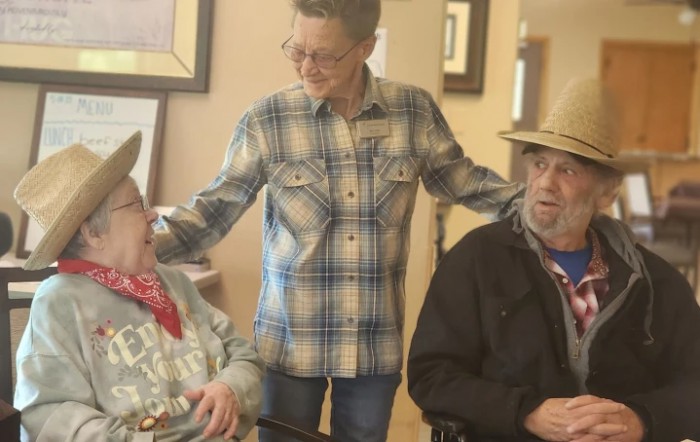
 The facility is beautiful with wonderful staff, and it is exciting to see all of the great things happening there.
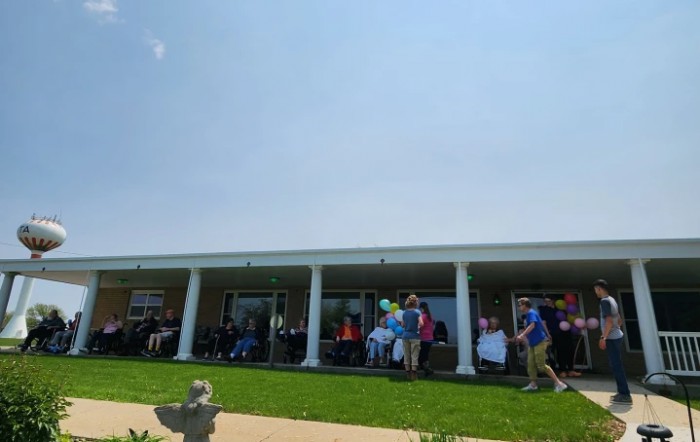
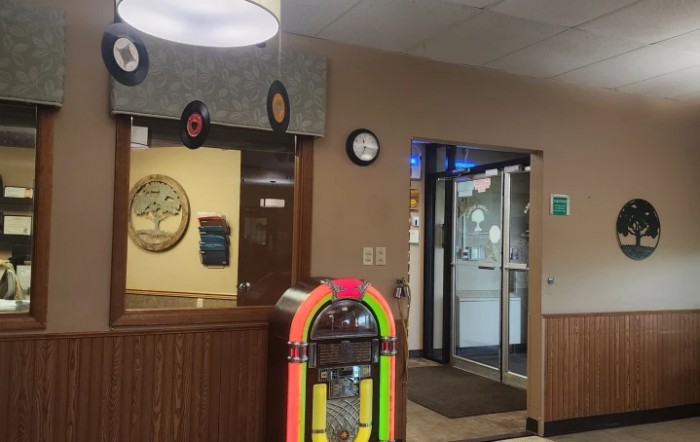
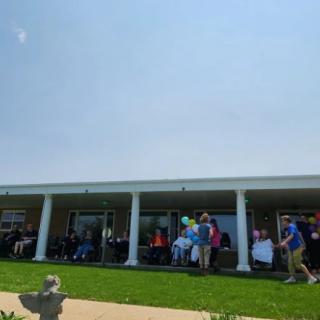
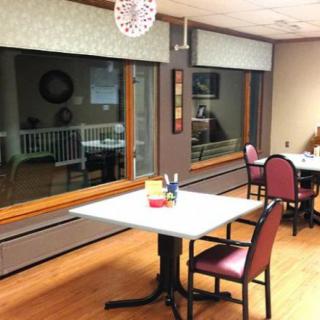
- The home is beautiful and located just outside of Anita, on an actual golf course.
- The staff are fantastic.
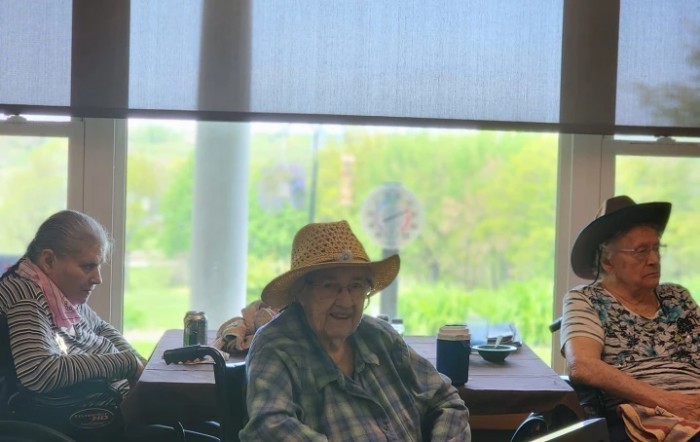
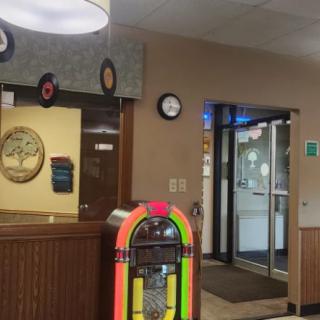
- It feels like home.
Cons
 One reviewer states the facility is horrible and cannot even earn a star, with a smell that is horrible.
- One reviewer claims the staff brag about being under the influence of drugs because they hate their job.
- One reviewer notes a best friend's grandmother on hospice is rarely visited, implying neglect.
- One reviewer alleges a CNA was sitting on her phone and not helping others while two other CNAs were present.
- One reviewer reports upper management is rarely seen and nurses at carts are bashing other CNAs in front of residents.
- One reviewer worries there are no drug tests being done and fears someone under the influence could be caring for elderly family members.
- One reviewer describes mold and horrible care and would not bring a family member there due to drama and talk about drugs.
Review
Caring Acres Nursing & Rehab Center in Anita, IA is best suited for seniors who want a homey, intimate setting close to town and for families willing to stay actively involved to ensure consistent, attentive care. The appeal lies in a warm, residential vibe rather than a clinical feel, with a setting that lends itself to regular, personal interactions between residents and caregivers when staffing is reliably present. This is the kind of place where relationships and routine matter, and where family members can feel they understand exactly who is providing care on any given day. It works best for residents who respond well to a calmer environment and for families prepared to advocate to maintain steady, focused attention across shifts.
On the positive side, the facility earns points for atmosphere and perceived care when the right people are in place. Reviewers repeatedly note a beautiful setting, located just outside Anita on a golf course, that contributes to a peaceful daily rhythm and a sense of home. The staff that shows up on the floor is described as wonderful, capable of forming genuine connections with residents and families, and the environment is often portrayed as one where residents can thrive emotionally and socially when care is attentive. For families prioritizing a close-knit feel and a setting that feels like a true home, these elements can translate into meaningful everyday experiences, limited by the consistency of staffing and leadership oversight.
That said, the strongest caveat from the feedback is a concern about consistency and leadership visibility. A single, highly critical account paints a troubling picture: persistent odors and mold, frequent delays in assistance, and a culture among some staff members that reflects distraction or disengagement rather than teamwork. The report extends to concerns about supervisory presence, with upper-level staff rarely seen outside offices, and about the general tone among caregivers, including alleged conflicts aired in resident view. Additionally, the narrative implies safety risks tied to inadequate staffing coverage, with references to lifts and hoyers being used by overtaxed personnel and questions about drug testing. While these reports may not represent everyday practice, they are enough to warrant serious caution and thorough verification.
Those pros and cons are not simply competing notes; they define a clear decision framework. If the facility can demonstrate consistently present leadership, disciplined staffing across shifts, and demonstrably clean, well-maintained environments, the home-like benefits become compelling and the risk from past concerns substantially diminished. The golf-course setting, the sense of community, and the authentic caregiver engagement can translate into real quality of life improvements for residents, especially for those in fairly stable, non-acute care or hospice scenarios where companionship and routine matter most. The offset to the drawbacks hinges on verifiable consistency: regular nurse availability, dependable CNAs, transparent communication, and a clean, mold-free environment.
Families who should seriously consider alternatives are those with low tolerance for variability in staffing or environmental quality, or those requiring a high level of medical oversight and rapid response capabilities on every shift. If a resident needs tightly controlled, around-the-clock skilled nursing, or if there are memory care complexities that demand constant, specialized supervision, other facilities with proven, steady staffing and more explicit clinical protocols may be safer bets. Likewise, if ongoing concerns about odors, cleanliness, or staff conduct persist during initial visits, it is prudent to explore other options. The decision should not hinge on a single positive impression or a single negative review; it should emerge from multiple, recent interactions with staff, residents, and management.
In the end, Caring Acres offers a credible path to a warm, home-like senior living experience for the right resident, one where dedicated care can flourish in a calm, aesthetically pleasing setting. The upside is tangible: staff who can connect with residents, a serene environment, and a community feel that many families crave. The risk lies in the potential for uneven staffing and leadership visibility, which can undermine the benefits if not actively addressed. Prospective buyers should schedule multiple on-site visits, observe different shifts, speak with several CNAs and the nursing supervisor, and request transparent information about staffing ratios, incident histories, maintenance, and environmental hygiene. If these checks reveal steady leadership, reliable coverage, and a clean, well-maintained milieu, Caring Acres stands as a solid option. If not, it is wise to continue the search, prioritizing facilities with demonstrable, consistent excellence in both caregiving and environment.
 46 resident community capacity
 Skilled Nursing Facility
 Beauty salon
 Cable or satellite TV
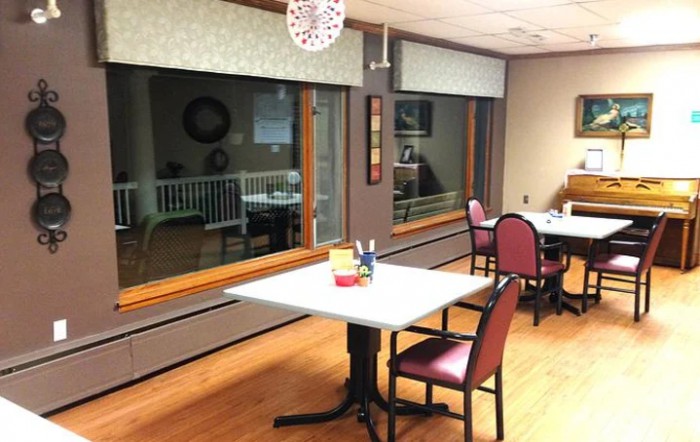
 Dining room
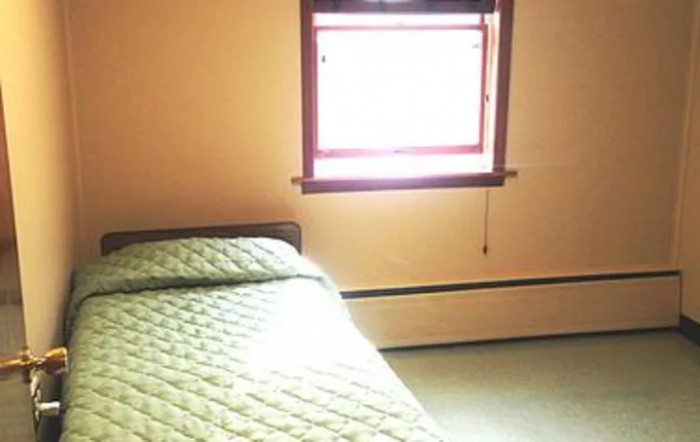
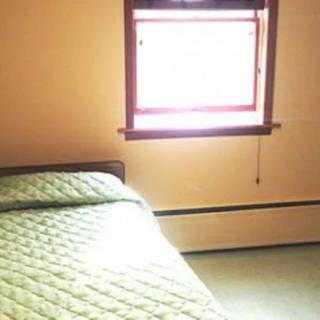
 Fully furnished
 Garden
 Housekeeping services
 Kitchenette
 Move-in coordination
 Outdoor space
 Restaurant-style dining
 Small library
 Telephone
 Wi-Fi/high-speed internet available
 24-hour call system
 Activities of daily living assistance
 Assistance with bathing
 Assistance with dressing
 Assistance with transfers
 Diabetes diet
 Medication management
 Mental wellness program
 Special dietary restrictions

 6 Crucial Ways an Elder Law Attorney Assists Families
 Navigating the Tax Landscape of Caregiving: Credits, Deductions, and Beyond
 Highly Beneficial Low-Impact Exercises for Senior Living Residents