AmeriCare Living Center of Wabash
Save
Information last verified:
600 Washington St, Wabash, IN 46992
For more information about senior living options: (844) 490-3973
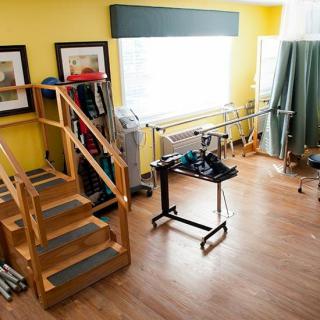
AmeriCare Living Center of Wabash is best suited for seniors who prioritize a warm, community-centered atmosphere where rehab-focused care and memory-support programming are the cornerstone of daily life. This community tends to shine for residents who respond well to individualized attention from a dedicated therapy team, and for families seeking a facility with a visibly engaged staff that treats residents like members of a close-knit extended family. It is a solid option for short-term rehabilitation after a fall or fracture where the emphasis is on restoring function in a caring, homey setting, and for those who want ongoing opportunities for social engagement and purposeful activity within a familiar, supportive environment.
Those who may want to consider alternatives should note potential gaps that echo across several family experiences. A few reviews point to variability in how consistently staff address basic needs, and to occasions where questions or concerns about care aren’t answered promptly. For families with the expectation of highly proactive medical oversight or highly consistent communication from a physician-facing team, this may require careful verification. Additionally, when a relative requires close medical management or rapid escalation of clinical needs, some families report that not every shift delivers the same level of attentiveness. In short, a strong fit exists for those who value culture, connection, and rehab potential, but families with stringent requirements for medical governance or real-time, meticulous family updates may prefer other local options.
The strongest positives center on care culture and rehabilitation quality. The staff’s engagement with residents is repeatedly described as heartfelt and practical, with therapy teams that push for progress and help residents regain independence. The memory-care environment receives particular praise for person-centered programming that honors individual history and preferences, which translates into meaningful, activity-based engagement rather than rote routines. The building atmosphere is repeatedly characterized as clean, comfortable, and home-like, reinforcing a sense of safety and familiarity that can ease anxiety for both residents and family members. A family-friendly, community-oriented approach comes through in the way staff are seen as partners in recovery and daily life, not as distant providers.
Despite the strengths, the reviews highlight notable drawbacks that shape risk assessments. Inconsistency among staff, especially among aides, is a recurring theme, with concerns about whether all caregivers are equally attentive to feeding, mobility assistance, or timely responses. Communication gaps also appear in some accounts, including delayed updates about a loved one’s status during transitions or health events. A few comments describe experiences with doctor engagement as limited or not deeply collaborative, which can leave families feeling out of the loop during important decisions. There are outliers that describe subpar experiences around care quality or hygiene, underscoring that not every resident’s day-to-day experience will align with the best-case narratives.
These pros and cons intersect in predictable ways for families weighing options. The strongest evidence of value rests with the rehab-focused, compassionate care model and the memory-care programming that emphasizes dignity and daily meaning. When a resident benefits from motivated therapists, attentive nurses, and a genuinely welcoming environment, the gains in function and well-being can offset some communication gaps or occasional scheduling bumps. The presence of an externally recognized quality signal, such as a Bronze Quality Award cited in the feedback, adds credibility to the claim that staff leadership prioritizes standards of care and accountability. For families seeking a place that feels like a supportive community first, with rehab and memory care as the core services, this combination can deliver real peace of mind.
For families ready to move forward, practical next steps are essential. Schedule a comprehensive tour and observe the daily flow of care: how therapists interact with residents, how aides handle routine tasks, and whether the environment feels consistently clean and calm. Ask blunt questions about staffing ratios on different shifts, the physician’s role in ongoing resident care, and the formal process for family updates on clinical changes. Request a detailed explanation of the memory-care program’s activity calendar and staff training, as well as a clear plan for transitions between therapy, daily living assistance, and clinical oversight. If a trial period or timed assessments are offered, take advantage to witness firsthand how the team responds to evolving needs. For families with complex medical or cognitive-care requirements, this facility remains a strong choice only when these inquiries align with observed practices and when the warmth of the environment meets the resident’s specific needs.
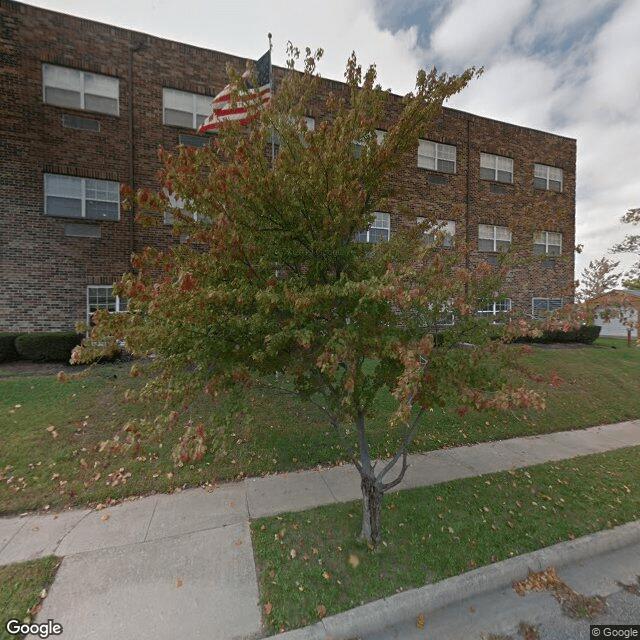
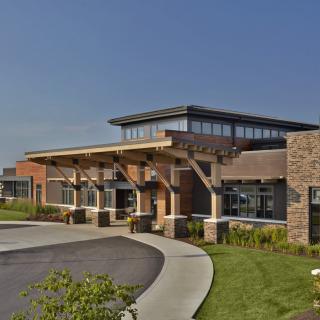
AmeriCare Living Center of Wabash is an assisted living community located in the charming town of Wabash, IN. Situated in a peaceful neighborhood, this facility offers a range of convenient amenities and services for seniors looking for a comfortable and supportive environment.
One of the highlights of this community is its proximity to various cafes, providing residents with the opportunity to enjoy socializing over a cup of coffee or a delicious treat. Additionally, the presence of five nearby parks ensures that residents have ample opportunities to enjoy nature walks, picnics, and outdoor activities surrounded by beautiful greenery.
For any healthcare needs, residents can easily access five pharmacies nearby, making it convenient to fill prescriptions and obtain necessary medications. The availability of four physicians in close proximity ensures easy access to medical care and regular check-ups for residents.
With 17 restaurants in the vicinity, residents can choose from a variety of dining options, whether they prefer casual cuisine or upscale dining experiences.
For those seeking spiritual fulfillment and connection within their community, there are twelve places of worship located nearby where they can attend religious services and engage with their faith community.
In terms of entertainment, the presence of one theater nearby provides residents with the opportunity to enjoy movies, plays, or other cultural events without having to travel far. Additionally, three hospitals situated within close proximity ensure that high-quality medical care is readily available if needed.
At AmeriCare Living Center of Wabash, seniors can thrive in an inviting environment surrounded by numerous conveniences that enhance their overall well-being while receiving top-notch care from dedicated staff members.
This part of Wabash, Indiana offers a variety of amenities that may be appealing to seniors looking for a comfortable and convenient living environment. With multiple hospitals and healthcare facilities in close proximity, residents have easy access to medical care. There are also several dining options ranging from casual eateries to fine dining establishments, allowing for a variety of culinary experiences. The area boasts several parks, providing opportunities for outdoor recreation and relaxation. Additionally, there are pharmacies nearby for easy access to medications. Places of worship offer spiritual fulfillment and community engagement, while theaters and cafes provide entertainment and social opportunities. Overall, this part of Wabash offers a well-rounded and accommodating environment for seniors looking to settle down in the area.
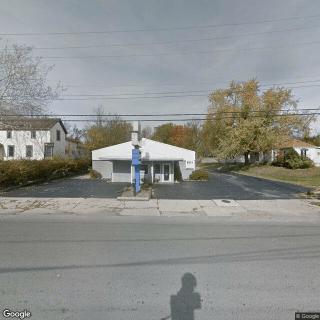
AmeriCare Living Center of Wabash is located at 600 Washington St, Wabash, IN 46992 in Wabash County, Indiana
9 Stimulating Memory Activities for Seniors: Puzzles, Cards, and Much More

The article highlights nine memory-boosting activities for seniors that enhance cognitive health and social interaction, including puzzles, trivia quizzes, and storytelling, while emphasizing the importance of adapting these activities to individual preferences to maximize enjoyment and engagement. Consistent mental engagement is linked to improved cognitive function and emotional well-being in older adults.
Managing Nursing Home Expenses After Medicare Coverage Ends

Medicare provides limited coverage for skilled nursing home care, covering full benefits for the first 20 days and partial benefits up to 100 days under certain conditions, after which families must explore alternative funding options like Medicaid or long-term care insurance to manage potentially high costs. Proactive planning is essential to navigate the complexities of financing ongoing care once Medicare coverage ends.
Is a Geriatric Care Manager the Right Choice for Your Family?
Geriatric care managers create personalized care plans for older adults, addressing their medical, social, financial, and psychological needs while coordinating services and advocating for their well-being. They help families navigate caregiving challenges but may be hindered by high costs and a shortage of qualified professionals.