For more information about senior living options: (866) 208-4318
4.5 from 39 reviews
5 stars
33
4 stars
0
3 stars
3
2 stars
0
1 stars
3
Overall Review of Autumn Ridge Rehabilitation Centre
common29 reviews mention this
Staff care is a recurring theme
Residents and families consistently describe staff who are caring, responsive, and engaged.
Across many reviews, people describe nurses and aides as helpful, kind, and attentive to day-to-day needs. Several residents and family members also mention good communication and support when asking questions. Even in critical reviews, the concern is largely about how care is delivered and monitored, not a lack of staff presence.
differentiator2 reviews mention this
Memory care focuses on personhood
Memory care is described as person-centered and supported by a dedicated unit.
One reviewer highlights memory care that centers activities around the person for those living with dementia. Another mentions the memory care unit being newly decorated, reinforcing that there is a distinct environment for memory care. This aligns with the community offering specialized memory care programming and specialized memory support services.
common4 reviews mention this
Rehab therapy support stands out
Rehabilitation reviews frequently mention therapy working to help residents regain mobility.
Multiple reviews talk about rehab as a helpful experience, including physical therapy support that helped someone get moving again. Others describe the experience as supportive during recovery and preparation to go back home. A smaller number of critical comments focus on rehab planning and whether releases happen before someone feels ready.
caveat4 reviews mention this
Care consistency and communication concerns
Some reviews raise concerns about care consistency, hygiene, and family communication.
A critical review describes issues with hygiene and responsiveness, including concerns about bathing, bed linens, and help when assistance was needed. Another review reports a lack of notification after a COVID-positive test and questions about how families were kept informed. Separate comments mention problems with monitoring care routines, medication levels affecting eating, and limited access to discuss updates with a doctor. One reviewer also questions whether a loved one was released from rehab before they were ready.
How we summarize
Counts show how many written reviews mention each theme; a review can touch several themes, and only frequently mentioned themes are displayed.
Features
Housing
75 resident community capacity
Types of Care
Assisted Living
Memory Care
Skilled Nursing Facility
Amenities
Air-conditioning
Beauty salon
Cable or satellite TV
Computer center
Dining room
Fitness room
Fully furnished
Gaming room
Garden
Housekeeping services
Kitchenette
Move-in coordination
Outdoor space
Private bathrooms
Restaurant-style dining
Small library
Telephone
Wellness center
Wi-Fi/high-speed internet available
Transportation
Community operated transportation
Transportation arrangement
Care Services
24-hour call system
24-hour supervision
Activities of daily living assistance
Assistance with bathing
Assistance with dressing
Assistance with transfers
Diabetes diet
Meal preparation and service
Medication management
Mental wellness program
Mild cognitive impairment
Special dietary restrictions
Specialized memory care programming
Dining
Diabetes diet
Special dietary restrictions
Activities
Community-sponsored activities
Concierge services
Fitness programs
Planned day trips
Resident-run activities
Scheduled daily activities
Nearby Places of Interest
Hospitals
American Senior Communities (0 miles)
Parkview Wabash Hospital (0.1 miles)
Wabash County Hospital (0.1 miles)
Certified Surgeons (13.6 miles)
Physicians
Wabash Medical Center (0.1 miles)
Gorman Center For Orthodontics (0.9 miles)
Midwest Eye Consultants - Office (0.9 miles)
NuStart (1.1 miles)
Family Optometry (13.7 miles)
Eye Physicians (13.9 miles)
Walnut Street Family Healthcare (14 miles)
Restaurants
Scotty's Tavern (0.6 miles)
HomeTown Buffet (0.8 miles)
Twenty (0.8 miles)
Honeywell Center (0.9 miles)
Kelly's Ice Cream (1 miles)
Ninja Express (1.1 miles)
Taco Bell (1.1 miles)
Parks
Paradise Spring Historical Park & Riverwalk (0.6 miles)
Park (0.9 miles)
Charley Creek Park (1 miles)
Wabash City Park (1.2 miles)
Firestation Park (1.8 miles)
Acres Kokiwanee Nature Preserve (6.9 miles)
Mississinewa 1812 (12 miles)
Pharmacies
Walgreens (0.6 miles)
CVS Pharmacy (0.7 miles)
Daywalt Pharmacy (1 miles)
Kroger Pharmacy (1.2 miles)
Walmart Pharmacy (1.4 miles)
CVS Pharmacy (13.6 miles)
CVS Pharmacy (13.8 miles)
Places of Worship
St Bernard Roman Catholic Church (0.7 miles)
Faith Harvest Fellowship (0.8 miles)
New Journey Community Church (0.9 miles)
Christian & Missionary (1.2 miles)
Church of Christ (1.2 miles)
Calvary Baptist Church (1.7 miles)
Potters House Ministries (1.8 miles)
Theaters
Eagles Theatre (0.8 miles)
GQT Huntington 7 (16.5 miles)
Cafes
The Fried Egg (1.3 miles)
KenapocoMocha (13.6 miles)
Manchester University Jo Young Switzer Center (14.5 miles)
The various features offered at Autumn Ridge Rehabilitation Centre are designed to address the unique challenges faced by residents with dementia or Alzheimer's disease, promoting their independence and enhancing their quality of life. Assistance with dressing, bathing, and transfers supports personal hygiene and mobility, ensuring that residents feel comfortable and dignified throughout the day. Medication management practices mitigate the risks associated with memory loss by providing timely administration of medications, while meal preparation and service cater to specific dietary needs, fostering both nutrition and social interaction during meal times. The program's focus on activities of daily living ensures residents maintain essential life skills in a safe environment. Additionally, 24-hour supervision guarantees immediate support in case of emergencies, while specialized memory care programming and mental wellness initiatives offer structured cognitive engagement tailored to individual capabilities. By addressing both physical and psychological needs, these features collectively create a nurturing atmosphere conducive to better overall well-being for residents experiencing mild cognitive impairment or more advanced stages of dementia.
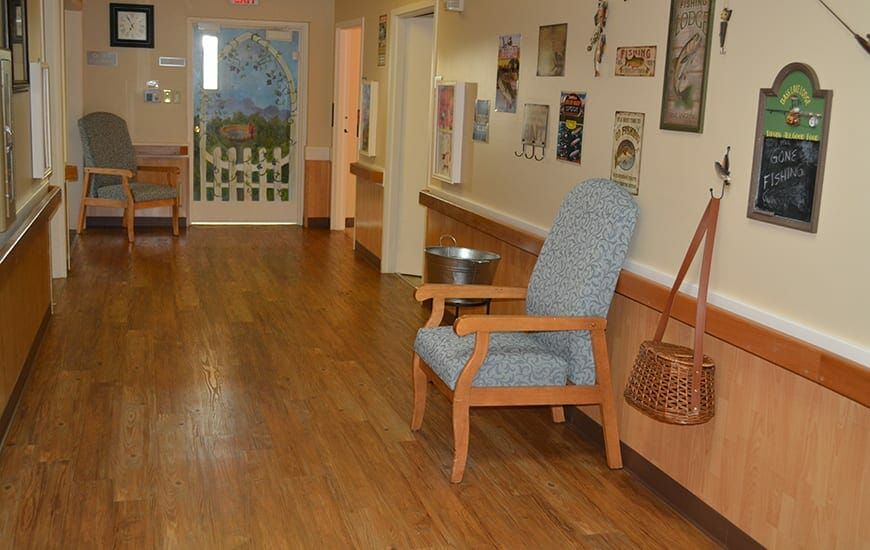
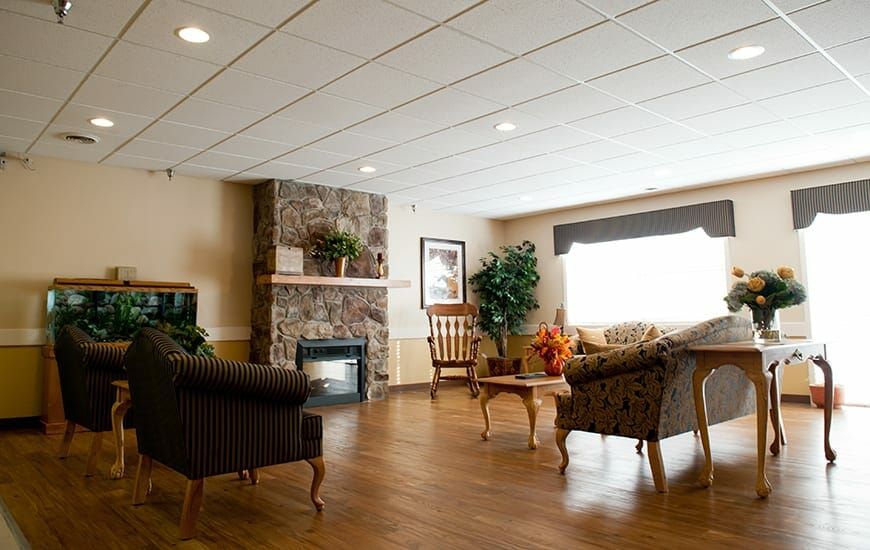
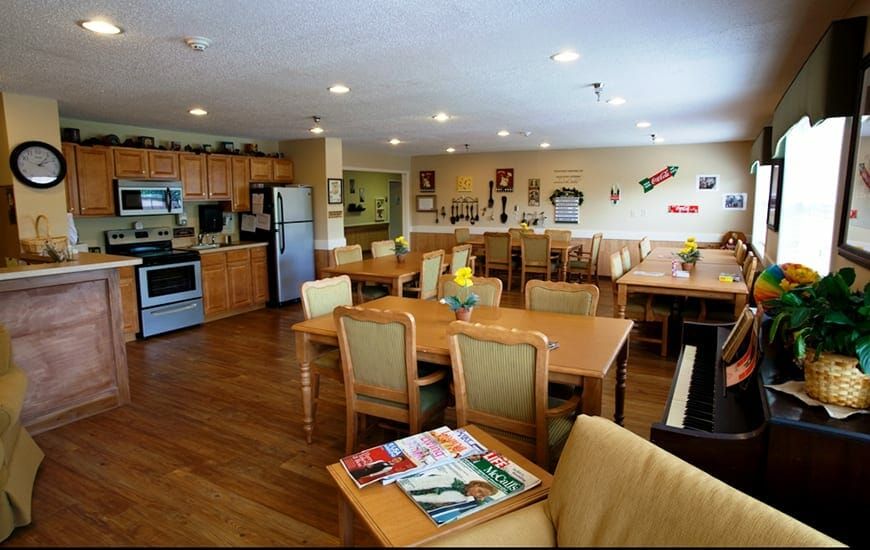
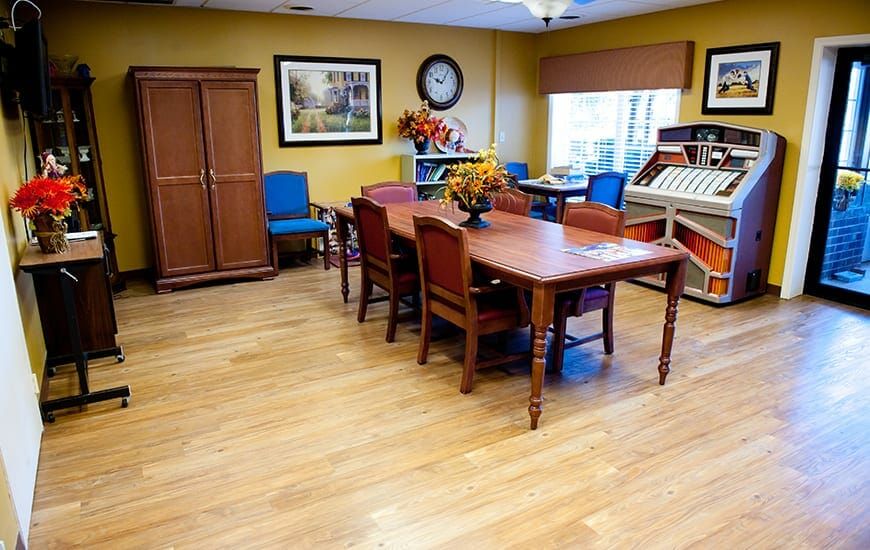
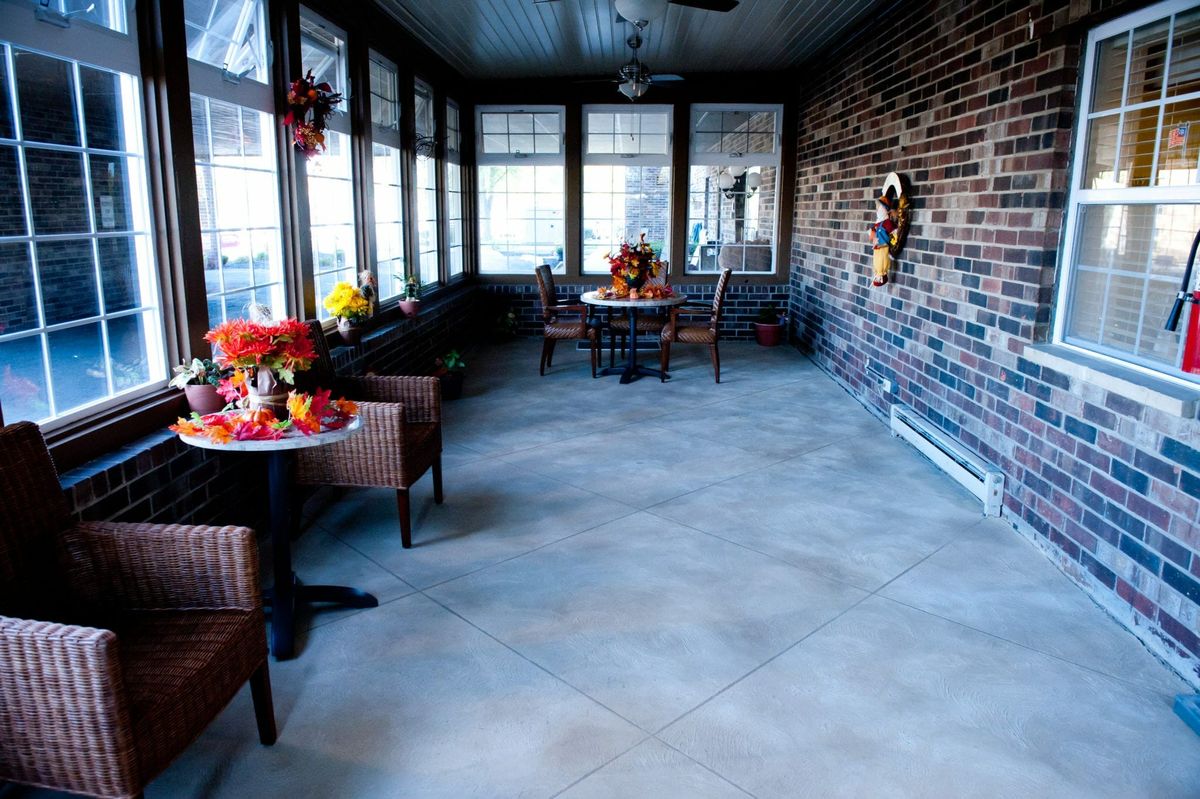
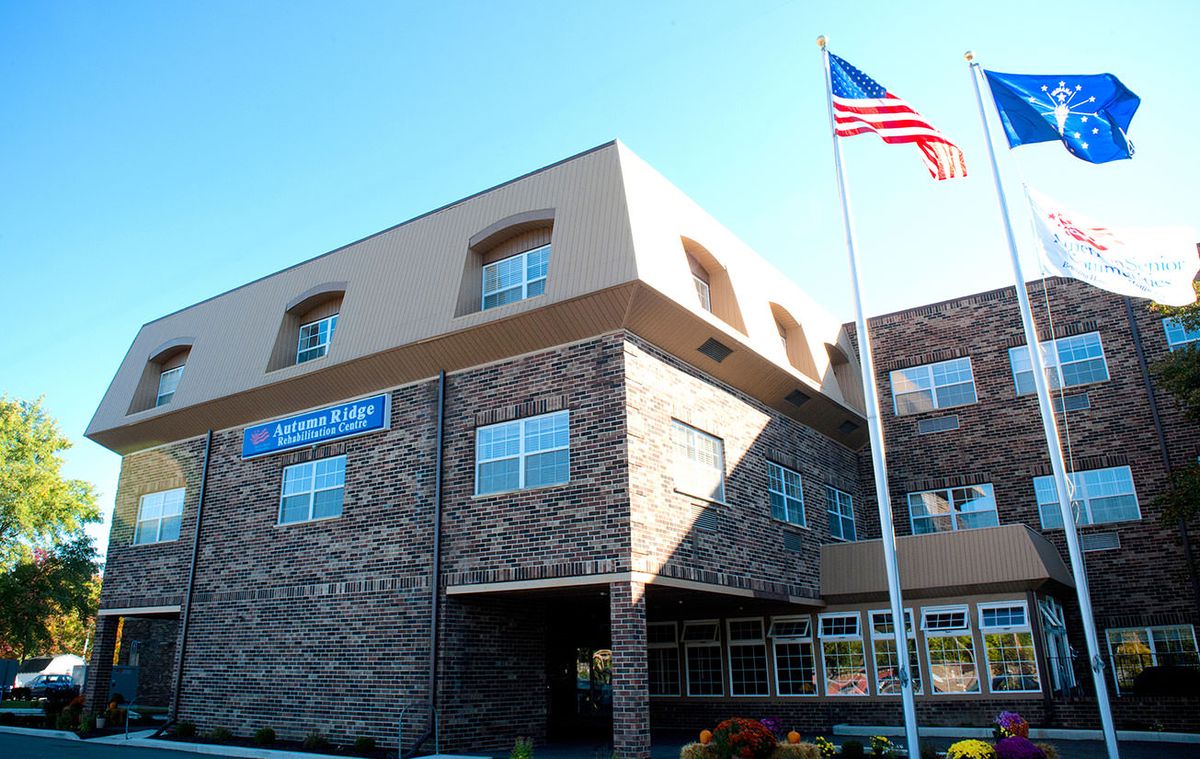
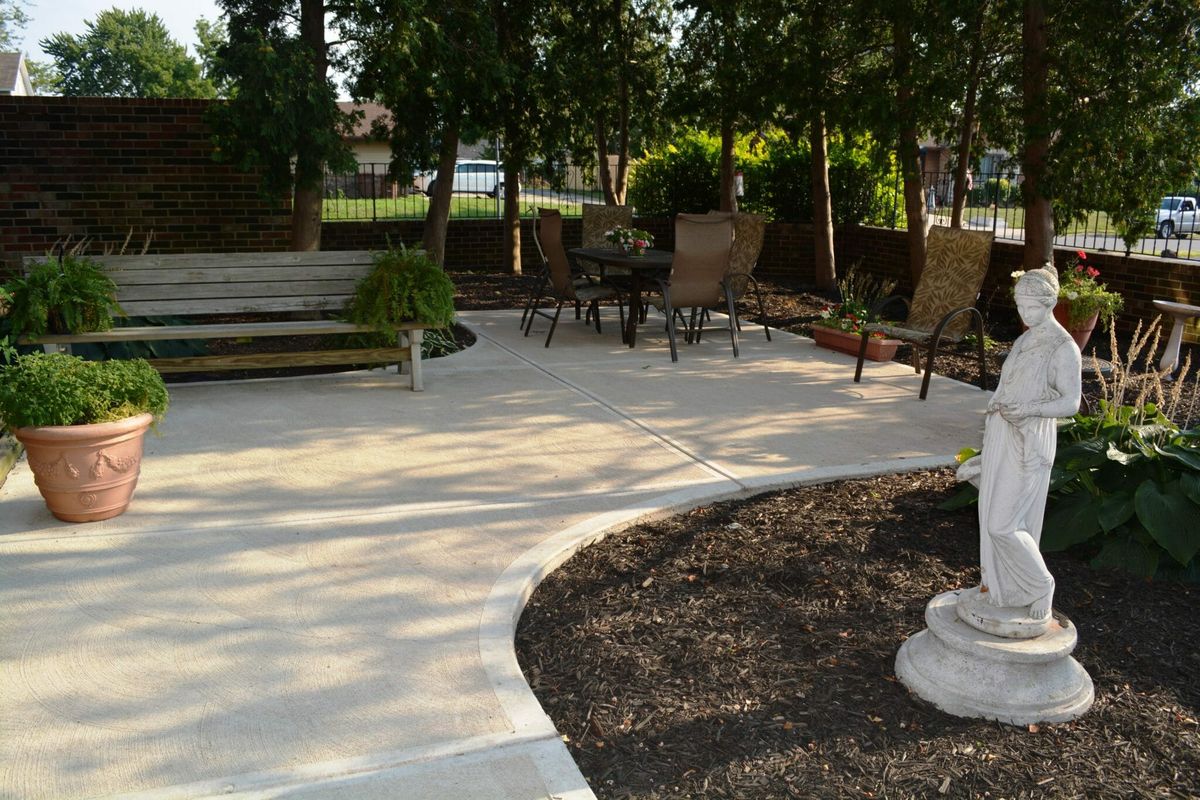
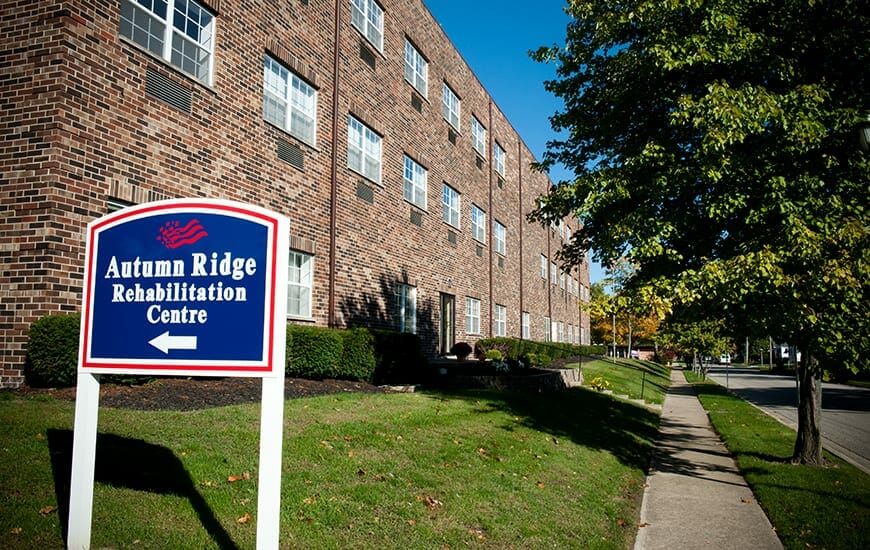
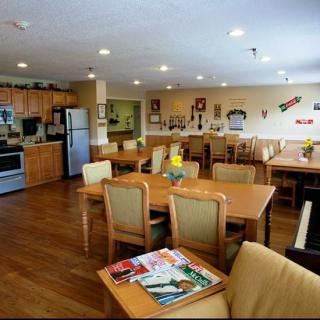
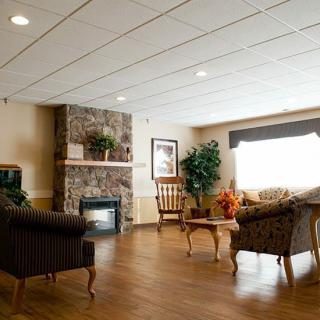
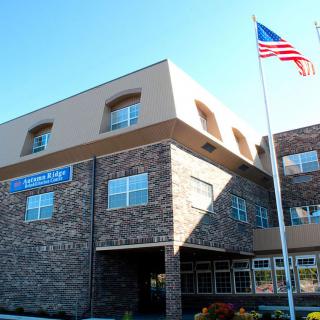
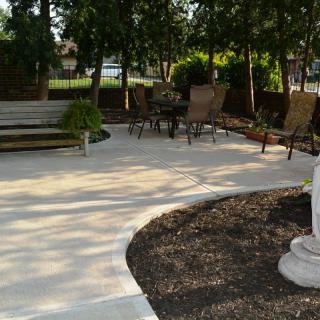
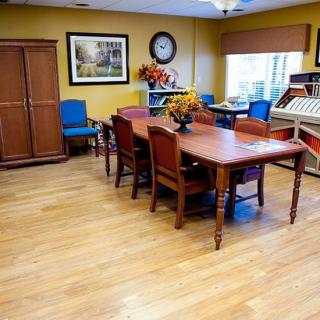
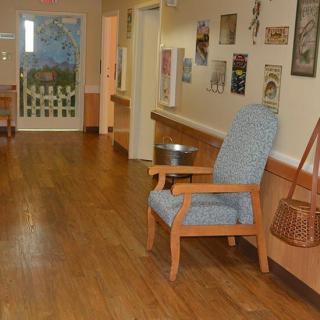
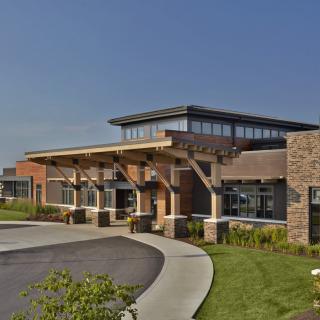
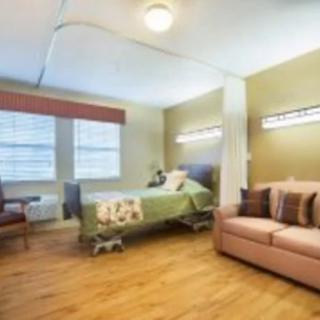
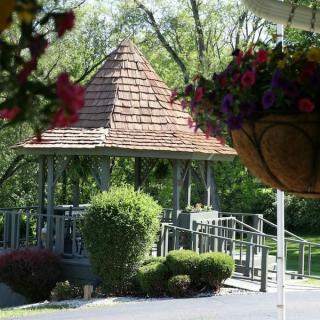
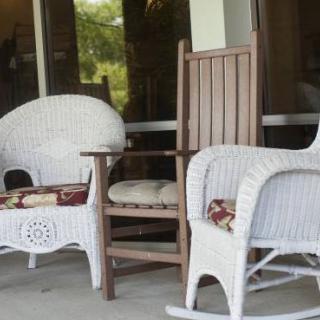
Autumn Ridge Rehabilitation Centre on seniors.fyi includes 9 photos including images showing decor, interior, dining, building, entrance, living room, fireplace, hallway, and more.
Nearby Communities
AmeriCare Living Center of Wabash
Wabash, IN
4.6 from 42 reviews
Excellent access to nearby amenities and healthcare.
Wabash Skilled Care Ctr
Wabash, IN
5 from 2 reviews
Excellent access to healthcare and nearby amenities (multiple pharmacies, physicians, restaurants, parks, and hospitals).
Senior Helpers - Wabash, IN
Wabash, IN
4.2 from 33 reviews
High-quality, compassionate care with proactive support.
Wellbrooke of Wabash
Wabash, IN
4.4 from 5 reviews
$2,520 to $4,350 / month
Caring staff with strong social services and good dining in a well-maintained setting.
Miller's Merry Manor - Wabash
Wabash, IN
5 from 2 reviews
24/7 supervision with ADL support and ample amenities.
Miller's Merry Manor VII
Wabash, IN
24/7 supervision with ADL support and medication management.
Rolling Meadows Health Care Center
La Fontaine, IN
4.8 from 98 reviews
Caring staff, active resident life, and clean facilities.
Hickory Creek At Peru
Peru, IN
4.8 from 29 reviews
$2,300 to $3,300 / month
Competitive pricing (semi-private $2,300; private $3,300) with comprehensive care and amenities (24-hour supervision, ADL assistance, mental wellness, fully furnished rooms).
Timbercrest Senior Living Community
North Manchester, IN
4.2 from 13 reviews
Continuum-of-care options (CCRC) with extensive amenities and attractive grounds.
Dementia often results in disrupted sleep patterns, leading to excessive daytime sleeping due to factors like brain damage affecting circadian rhythms, medication side effects, and lack of structure in daily activities. Caregivers must monitor these changes closely, as oversleeping can increase risks such as malnutrition or dehydration, and provide necessary support and routines to enhance patient engagement and well-being.
The transition from assisted living to skilled nursing care is often prompted by complex medical needs that assisted living cannot meet, with key indicators including frequent health declines, increased falls, severe memory issues, and caregiver burnout. Families should recognize these signs early to discuss options with healthcare providers and prepare for the emotional and logistical aspects of moving to a facility that offers comprehensive medical support.
Dementia is characterized by cognitive decline, with nutrition playing a vital role in brain health; while no specific diet can prevent or reverse it, a nutrient-dense diet rich in antioxidants and healthy fats may support cognitive function. The MIND diet, which emphasizes beneficial foods and limits processed items, along with proper hydration and individualized meal strategies, can enhance the well-being of dementia patients.
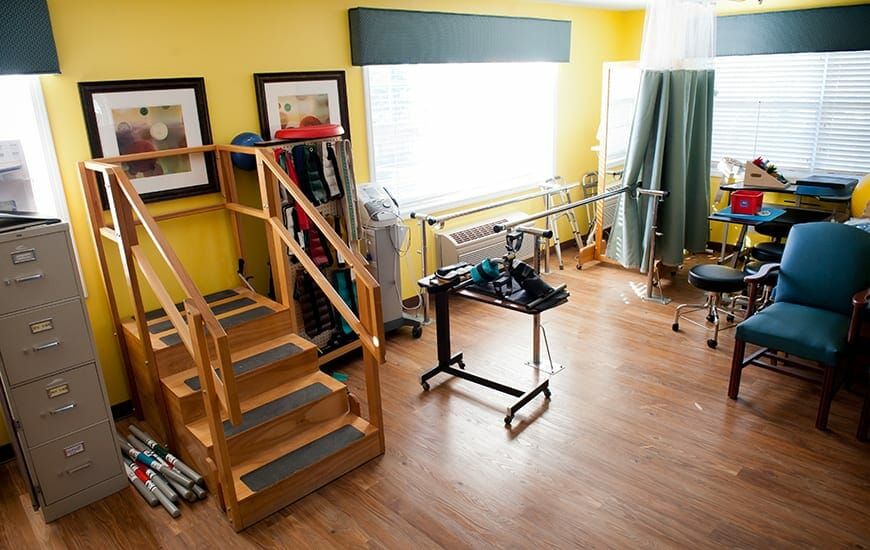
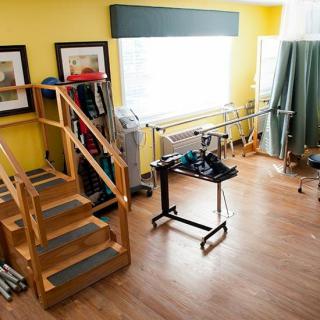
Exercise Equipment, Rehabilitation, Physical Therapy, Therapy Room, and Stairs
Wall Art and Hallway
Get PricingAsk A QuestionSchedule A TourContact Senior Advisor
By clicking submit, you agree to our Partner's Terms of Use. You
also consent to receive calls and texts, which may be autodialed, from our Partner. Your consent is not a condition to
using our Partner's service. Please visit our Partner's Privacy Policy for information about their privacy practices.

 75 resident community capacity
 Assisted Living
 Memory Care
 Skilled Nursing Facility
 Air-conditioning
 Beauty salon
 Cable or satellite TV
 Computer center
 Dining room
 Fitness room
 Fully furnished
 Gaming room
 Garden
 Housekeeping services
 Kitchenette
 Move-in coordination
 Outdoor space
 Private bathrooms
 Restaurant-style dining
 Small library
 Telephone
 Wellness center
 Wi-Fi/high-speed internet available
 Community operated transportation
 24-hour call system
 Activities of daily living assistance
 Assistance with bathing
 Assistance with dressing
 Assistance with transfers
 Diabetes diet
 Medication management
 Mental wellness program
 Special dietary restrictions
 Concierge services
 Planned day trips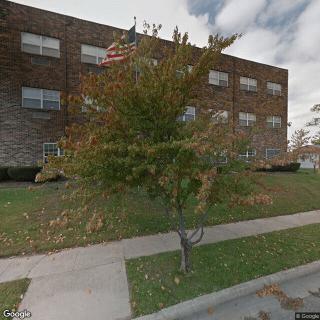
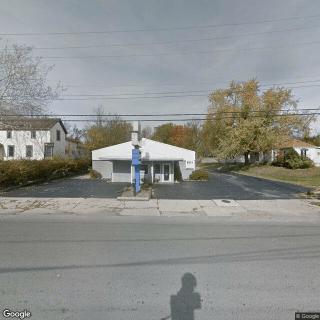
 Excellent access to nearby amenities and healthcare.

 Why Do Dementia Patients Sleep So Much? Understanding Oversleeping, Stages, and Care Approaches
 8 Key Indicators That Suggest It May Be Time to Transition from Assisted Living to Skilled Nursing Care
 Nourishing the Mind: Essential Dietary Approaches for Dementia