
811 East 12th Street, Mishawaka, IN 46544
To contact a resident: (574) 259-7171
For more information about senior living options: (866) 208-4318
Golden LivingCenter – Mishawaka Costs & Pricing
At Golden LivingCenter - Mishawaka, the costs for care reflect a competitive positioning relative to both St. Joseph County and the broader state of Indiana. For semi-private accommodations, residents can expect a monthly fee of $4,091, which offers a slight advantage compared to the county average of $4,265, while remaining higher than the state average of $3,739. The private rooms at this facility are priced at $4,891, again undercutting the county's average of $5,275 but surpassing the state's typical cost of $4,418. This pricing structure indicates that Golden LivingCenter - Mishawaka provides a balanced value proposition for individuals seeking quality care in a welcoming environment.
| Floor plans | Golden LivingCenter – Mishawaka | St. Joseph County | Indiana |
|---|---|---|---|
| Semi-Private | $4,091 | $4,265 | $3,739 |
| Private | $4,891 | $5,275 | $4,418 |
Skilled Nursing Facilities with a similar price nearby
-
About the same
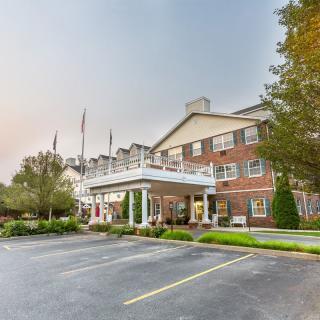
StoryPoint Granger
$4,066 to $7,164 / month5.6 miles away -
from -$701 / mo
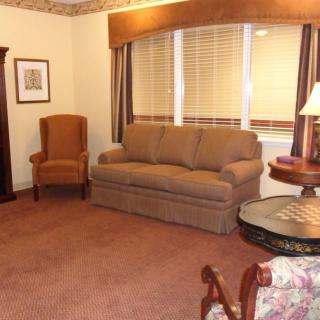
Greenleaf Health Campus
$3,390 to $4,590 / month11.4 miles away -
from -$481 / mo
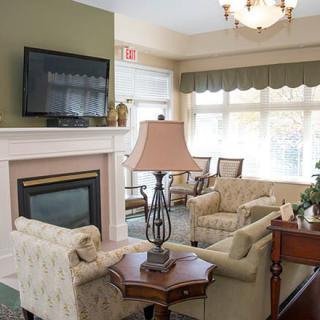
Brookdale Granger
$3,610 to $3,980 / month5.1 miles away -
from -$521 / mo
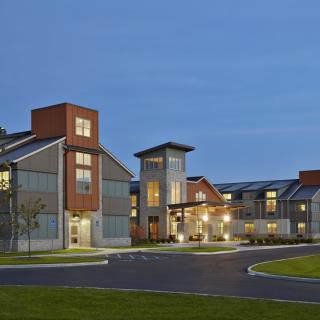
Wellbrooke Of South Bend
$3,570 to $4,800 / month6.9 miles away -
from +$521 / mo

Golden Living Center - Elkhart
$4,612 to $21,000 / month9.7 miles away
Overall Review of Golden LivingCenter – Mishawaka
Pros
 The staff here is amazing.
- April and Lisa were very pleasant to work with.
- The daily updates about her status were thorough and reassuring.
- The physical therapy she received helped her come home earlier than expected.
- Nurse Stella was amazing and very helpful during the grieving process.
- The nursing home was amazing with grandma during her time there and through the passing.
Cons
 Some staff members are rude.
- The facility is horrible and should be shut down.
- Alcohol was added to a resident’s care plan without consent.
- There were more department heads than caregivers.
- The staff were rude and not transparent.
- They show favoritism and biased behavior.
- Funds were stolen during COVID.
- The dietary supervisor was rude and dismissive.
- Most nurses and aides were overworked or didn’t have time.
- Hand hygiene was poor and room-entry practices were lacking.
- There were only a couple of hand sanitizers in the halls.
- Medications were dosed incorrectly, risking harm.
- The reviewer would not recommend the facility to anyone.
- Personal items like eyeglasses and socks were lost with no clear resolution.
- The facility often lacked correct information and care, making residents feel unheard.
Review
Golden LivingCenter – Mishawaka is best suited for families pursuing short-term rehabilitation where a strong physical therapy program can meaningfully shorten a hospital-to-home timeline, and where a family is prepared to take an active hand in care coordination. The facility can deliver effective rehab when the right therapists are engaged and when discharge planning is handled with clear, timely communication. It also can feel quiet and calm, which may be appealing for seniors who want a peaceful setting. However, this suitability hinges on consistent, responsive staffing and verified safety practices, because the most persistent concerns in these reviews revolve around reliability and follow-through.
On the upside, the strongest, most actionable positives come from successful rehab experiences and proactive staff engagement in specific cases. When care teams align, therapy services have helped residents regain mobility and shorten stays, and families have appreciated daily progress updates and guided discharge planning. In one favorable scenario, the rehab team and a couple of aides worked with diligence to coordinate appointments and push a patient toward home. These examples show what the facility can achieve when it functions with discipline, clear accountability, and a patient-first approach.
Yet the barrage of criticisms overwhelms the positives for anyone weighing long-term care here. Recurrent reports describe rude or indifferent frontline staff, inconsistent attention to urgent needs, and delays in basic daily care, such as timely dressing, bathing, or responding to falls. Dementia patients in particular appear at risk when staff responsiveness wanes, with several accounts of inadequate assistance and limited caregiver presence. Medication missteps, misplaced or misused prescriptions, and a lack of proactive medical oversight from physicians and practitioner teams compound safety concerns. Item misplacement and poor housekeeping contribute to a sense that basic custodial standards are not reliably upheld.
These cons do not simply "balance out" the pros in the long run; they reshuffle the calculus depending on the resident’s needs. For short stays aimed at rehabilitation, the facility can still deliver meaningful gains if a family member remains actively involved, monitors progress, and verifies that therapists are coordinating with medical staff and discharge planners. For long-term care, the risks become more pronounced: ongoing safety lapses, inconsistent staffing, and lapses in infection-control or hygiene practices raise the likelihood of avoidable harm. The的问题 is not a single failing but a pattern that requires vigilant oversight.
To make a well-informed decision, families should demand concrete assurances before admission. Ask for the current staff-to-resident ratios across shifts, the process for medication administration and double-checks, and the steps taken to prevent falls and address wounds promptly. Request a tour during peak hours to observe how staff respond to calls for help, how often aides check on residents, and whether the facility maintains adequate hand hygiene and available sanitization supplies. Inquire about the memory-care capabilities, if dementia care is needed, and whether there is a dedicated physician or advanced-practice provider on-site with regular rounds. Review a recent incident or quality-improvement log to understand how concerns are tracked and resolved.
In summary, Golden LivingCenter – Mishawaka presents a mixed proposition: capable rehab when engaged, but troubling safety and care consistency signals that can jeopardize vulnerable residents over the long term. For families prioritizing short-term restoration of independence, with active oversight and a clear plan for discharge, it can be a workable option. For those seeking reliable, continuous long-term care, or specialized memory support, alternatives with steadier staffing, stronger accountability, and demonstrably safer practices are strongly worth pursuing. The verdict hinges on the individual’s needs and the family’s capacity to supervise care closely; when in doubt, explore other facilities that offer proven consistency and safety first.
 Skilled Nursing Facility
 Private
 South Bend Regional (9 miles away)

 Financing Long-Term Nursing Home Care Through Social Security: A Thorough Exploration
 Essential Knowledge on Pneumonia in Older Adults
 Exploring Palliative Care in the Home: A Comprehensive Overview