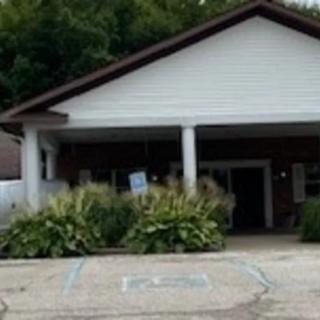
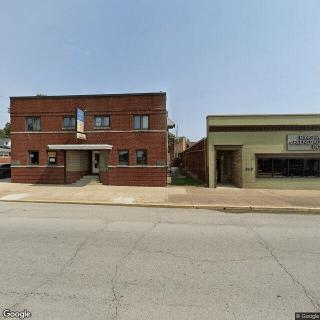
313 Poplar St, Loogootee, IN 47553
To contact a resident: (812) 295-4433
For more information about senior living options: (866) 208-4318
Overall Review of Martin County Healthcare
Pros
 The staff's communication has been fabulous.
- The staff are hardworking and caring toward the community.
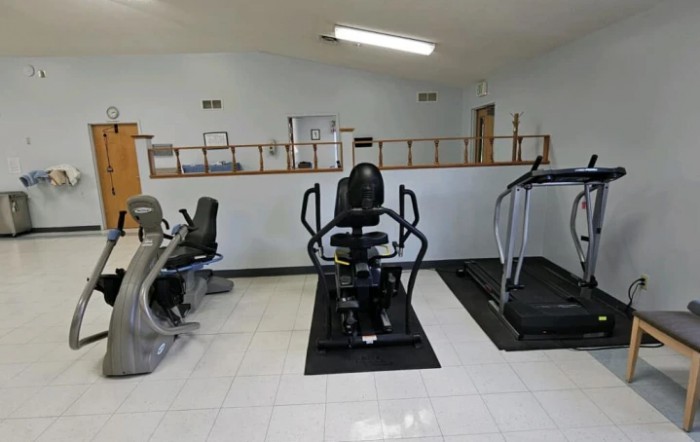
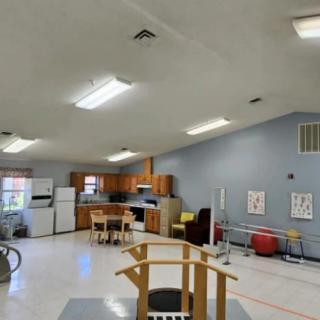
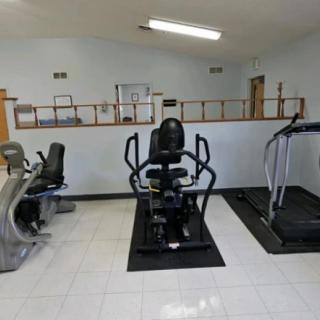
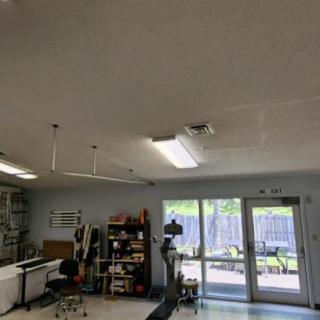
- The nurses and physical therapy instructors are super friendly, thorough, and caring.
- The food is great, made fresh daily, with a menu to choose meals from.
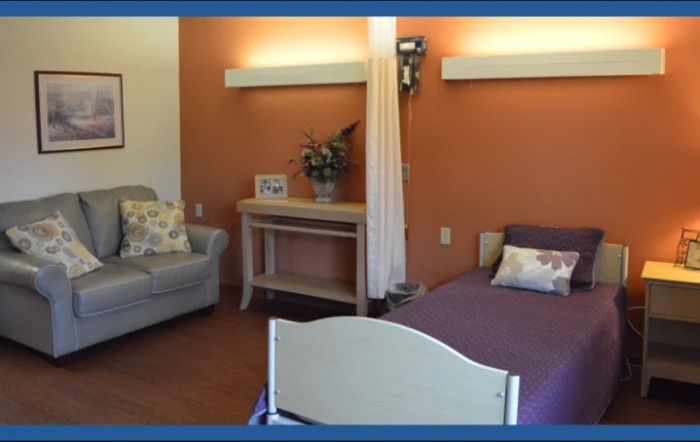
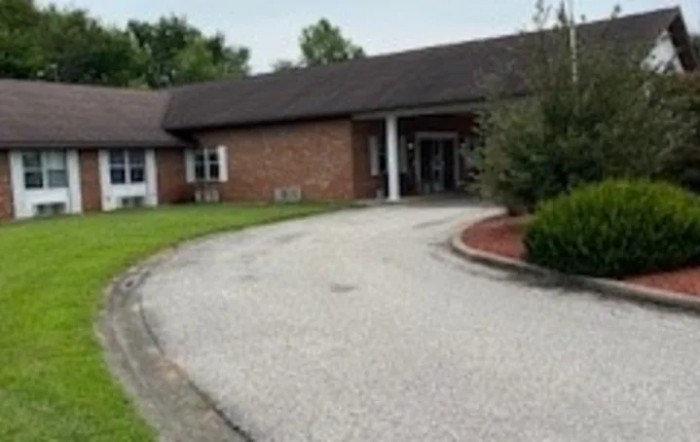
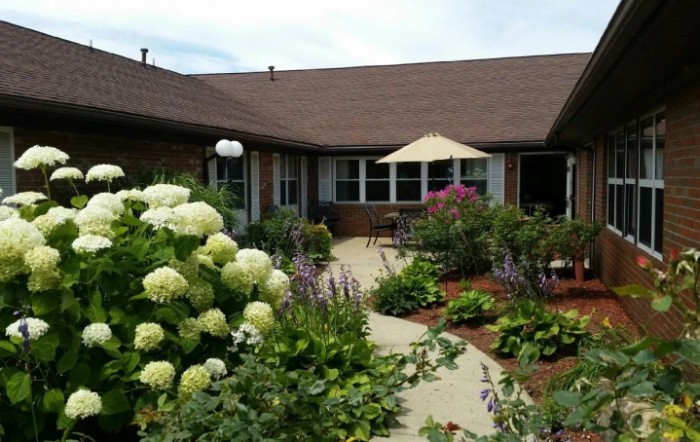
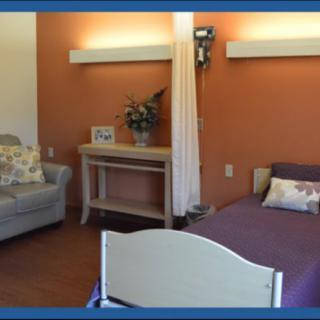
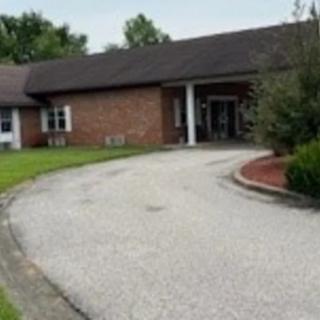
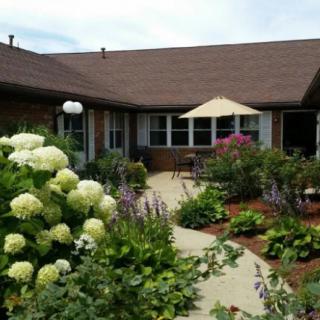
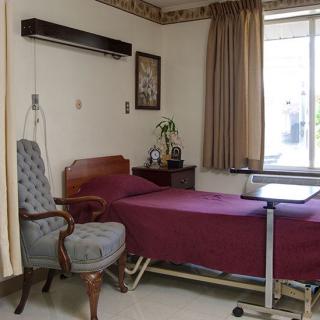
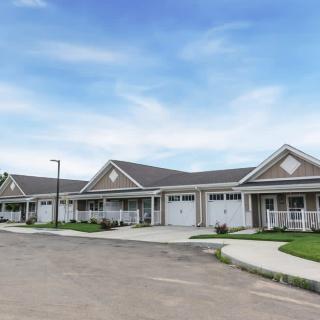
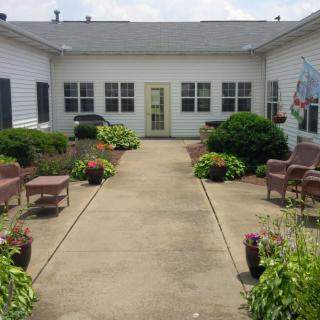
- The facility is exemplary.
Cons
 The reviewer cannot depend on receiving medications on time due to delays in administration.
- The reviewer had to repeatedly remind staff of their pain-management needs, indicating poor responsiveness.
- The reviewer felt compelled to give the facility an F rating because pain medications were not administered promptly.
- The reviewer was left in pain with missed doses, which they described as unacceptable.
Review
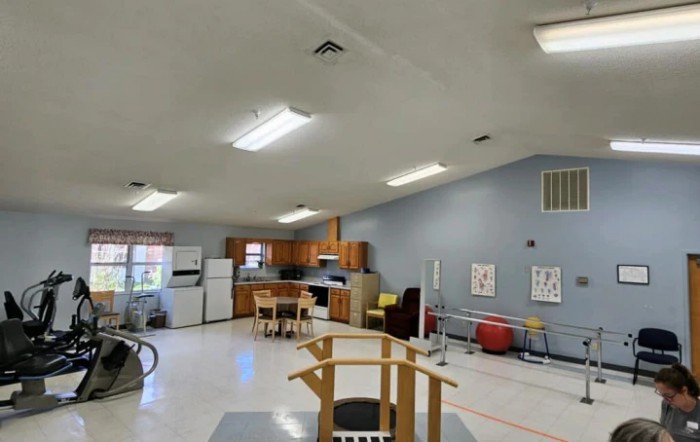
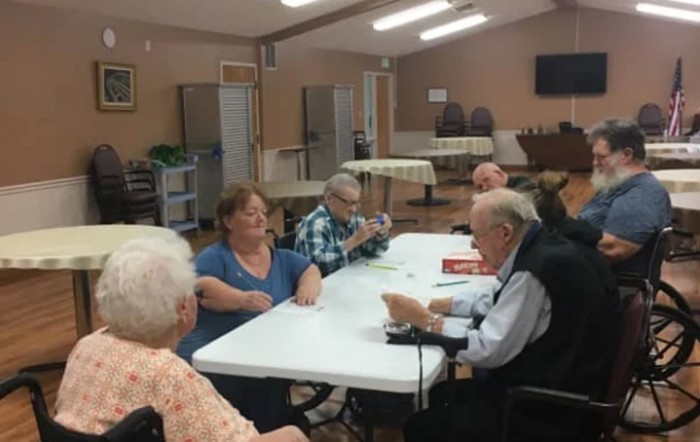
Martin County Healthcare in Loogootee, IN is best suited for seniors who want a community where staff communication is a standout strength, rehab services are accessible and thorough, and meals are prepared fresh daily. Families seeking a tightly run operation with a cooperative, attentive front-line team will find a dependable environment that supports practical daily living. It fits residents who value transparent updates and regular interactions with nurses and therapists, plus a daily routine that feels actively managed. Those relying on strict medication timing or pain-management contracts should approach with questions, since this area can influence the overall fit.
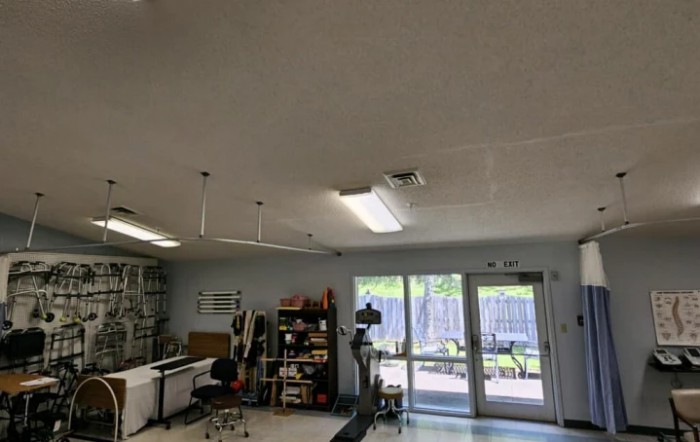
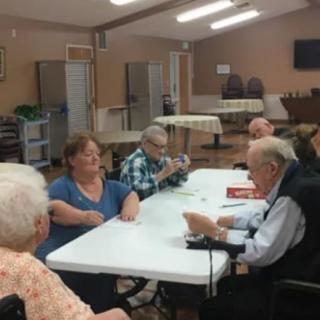
On the strength side, the message from multiple reviewers is clear: communication from the staff is fabulous and the care team works hard to support the community. Nurses and physical therapy instructors are described as friendly, thorough, and genuinely caring, creating a rehab atmosphere that supports progress and accountability. The food program earns consistent praise for freshness and daily preparation, with a menu residents can choose from, which translates into higher morale and better engagement at meals. Taken together, these factors produce a living environment that feels cohesive, responsive, and oriented toward tangible improvements in daily well-being.
A substantive caveat centers on medication administration. One reviewer specifically noted that medicines tied to a pain-management contract were not consistently administered on time, leaving the resident in pain at times. While this concern is not universal in the feedback, it signals a real vulnerability for residents whose comfort and function depend on precise dosing schedules. The contrast between overwhelmingly positive care and this potential gap points to a system that can perform at a high level but requires vigilant oversight from families and prescribing clinicians to prevent gaps in pharmacologic coordination.
Even so, the positives offset many of the concerns for the typical resident. Strong staff communication can shorten response times when medication questions arise and can support escalation if a pain-management requirement is not being met. The ongoing dedication of nurses and PT staff to thorough evaluation and guidance helps sustain rehab momentum and symptom control, which translates into meaningful daily stability. Good nutrition and consistent meals contribute to energy and mood, buffering occasional scheduling hiccups. In practical terms, the overall quality of care leans toward reliability and hands-on attention rather than mistuned routines or neglect.
For families weighing options, the main decision hinges on medication management workflows, especially around pain meds: who coordinates with the pharmacy, exact pass times, and how exceptions are handled. A targeted facility tour should observe the nursesā€™ station workflow, assess how promptly calls are answered, and clarify how therapy appointments align with meals and daily life. Engage current residents and families to learn about consistency of care and food service, and ask what steps are taken when dosing concerns arise. This community tends to reward engaged teams and clear rehab benefits, with the potential risk of med-pass gaps clearly identified.
Overall, Martin County Healthcare stands out as a practical, high-functioning choice for seniors who prize open communication, competent nursing and therapy support, and solid daily meals. It is not perfectly suited for anyone requiring unwavering adherence to pain-medication schedules, and those considering moving should push for explicit evidence of reliable med-pass processes before committing. For the right resident, someone who prioritizes staff attentiveness, steady rehab progress, and a predictable mealtime routine, the facility offers compelling value and a candid, experienced care mindset that translates into real-life comfort and functional gains.
 Skilled Nursing Facility

 Compassionate Conversations: How to Comfort Someone Who Is Grieving
 Home Health Care Aides: Understanding Their Role and Supporting Your Family
 Urinary Tract Infections in Older Adults: Comprehensive Insights on Symptoms, Treatment, and Prevention