For more information about senior living options: (866) 208-4318
2.8 from 52 reviews
5 stars
21
4 stars
1
3 stars
3
2 stars
2
1 stars
25
Overall Review of Mid-Town Nursing & Rehab Ctr
caveat9 reviews mention this
Waits and appointment cancellations
Residents and families report long waits and frequent appointment problems.
Several reviews describe delays at intake and in crisis situations, including hours-long waits before they could speak with a social worker or doctor. Others mention appointments being canceled or rescheduled, including issues getting timely access to psychiatry. Some families also describe barriers when trying to get an assessment or walk-in visit, with confusion about hours and whether they would be seen that day. One review summarizes the concern by implying the process can be dangerous when a person urgently needs help.
caveat6 reviews mention this
Medication management concerns
Medication decisions are a major source of frustration for multiple reviewers.
A number of reviews criticize how medication changes were handled, including claims of being pushed onto specific prescriptions and shots despite expressed preferences. Other reviewers describe care that they felt did not reflect their medical history, such as paperwork that they say did not match prior sleep study results. There are also accounts of medication-related breakdowns in follow-up, including a case where a refill expectation and a later appointment timing were part of the family’s distress. On the positive side, at least one reviewer says staff worked with them until the right medication fit, which suggests outcomes vary widely.
caveat3 reviews mention this
Billing support feels unreliable
Billing complaints come up alongside care experiences.
Some reviewers describe unexpected charges tied to medication changes, especially when they say the related treatment had previously been covered. Others report struggling to get help from billing and needing their insurance to correct billing errors such as incorrect codes. One review also pairs dissatisfaction with the idea that costs were being increased rather than support being provided.
caveat2 reviews mention this
Housing help is uneven
Housing assistance earns both praise and complaints.
A couple of reviews say staff helped with practical housing steps, including getting someone into a new house. Other reviewers report that housing-focused support did not materialize as expected, including long waits and lack of communication about what was actually happening.
How we summarize
Counts show how many written reviews mention each theme; a review can touch several themes, and only frequently mentioned themes are displayed.
Features
Types of Care
Skilled Nursing Facility
Transportation
Indianapolis International (9 miles away)
Nearby Places of Interest
This area of Indianapolis, Indiana offers a convenient and diverse range of amenities for senior living. With several dining options within close proximity, including popular chains like McDonald's and Starbucks, residents have easy access to a variety of cuisines. Additionally, there are multiple pharmacies nearby for any medical needs, along with reputable hospitals such as Eskenazi Hospital and Riley Hospital for Children. The neighborhood also boasts several parks for leisurely walks and outdoor activities, as well as theaters and places of worship for entertainment and spiritual fulfillment. Overall, this area provides a well-rounded environment with essential services that cater to the needs of seniors looking to live comfortably and independently.
Restaurants
McDonald's (0.1 miles)
Union 50 (1.1 miles)
Ralston's Drafthouse (1.1 miles)
Nine Irish Brothers (1.1 miles)
Livery (1.1 miles)
Fat Dan's Deli (1.2 miles)
Bru Burger Bar (1.2 miles)
Pharmacies
Walgreens (0.1 miles)
CVS Pharmacy (0.2 miles)
CVS Pharmacy (1.9 miles)
Dista Products Company (2.3 miles)
Walgreens (3.1 miles)
CVS Pharmacy (3.8 miles)
Walgreens (3.9 miles)
Cafes
Starbucks (0.8 miles)
Panera Bread (5.6 miles)
Starbucks (6 miles)
Starbucks (6.1 miles)
Starbucks (7.4 miles)
Parks
Watkins Park (0.9 miles)
Military Park (1.4 miles)
White River State Park (1.8 miles)
Meadowood Park (5.6 miles)
Holliday Park (5.7 miles)
Hospitals
Eskenazi Hospital (1 miles)
Indiana University Hospital (1.3 miles)
Simon Family Tower (1.4 miles)
Newborn Follow-Up Program, Riley Hospital for Children at IU Health (1.4 miles)
Sidney & Lois Eskenazi Hospital (1.5 miles)
Richard L. Roudebush Va Medical Center (1.7 miles)
Advanced Wound Center at Community Westview Hospital (3.9 miles)
Theaters
Living Room Theaters (1.1 miles)
Physicians
Blackburn Community Health Center (1.3 miles)
Riley Pediatric Neurology - IU Health Simon Cancer Center (1.4 miles)
Shalom Health Care Center (4.2 miles)
Oak Street Health (5.9 miles)
Community Health Pavilion (6 miles)
US HealthWorks Occupation Health Center (6.4 miles)
Iu Medical Group (6.8 miles)
Places of Worship
Tabernacle Presbyterian Church (2 miles)
Al-Fajr Masjid (2.7 miles)
Speedway Christian Church (4.7 miles)
First Friends Church (5.7 miles)
St Luke Catholic Church (7.1 miles)
Second Presbyterian Church (7.3 miles)
Transportation
U-Haul Moving & Storage at Michigan Rd (5.5 miles)
The guide on blood pressure charts for older adults stresses the importance of understanding normal and high blood pressure readings influenced by age, genetics, and lifestyle, while emphasizing regular monitoring and lifestyle modifications to prevent serious health issues. It provides insights into blood pressure categories, dietary recommendations, medication considerations, and the role of caregivers in supporting healthy habits.
The article explores the complexities of using Social Security to finance long-term nursing home care in the U.S., detailing eligibility requirements and misconceptions, while emphasizing that these benefits often do not cover full costs and highlighting the need for strategic financial planning and professional guidance.
Pneumonia significantly affects older adults due to weakened immune systems and atypical symptoms that complicate diagnosis, necessitating early detection and tailored treatment. Risk factors include chronic diseases and cognitive impairments, with preventive measures like vaccinations and healthy lifestyles being crucial for reducing risk.
Get PricingAsk A QuestionSchedule A TourContact Senior Advisor
By clicking submit, you agree to our Partner's Terms of Use. You
also consent to receive calls and texts, which may be autodialed, from our Partner. Your consent is not a condition to
using our Partner's service. Please visit our Partner's Privacy Policy for information about their privacy practices.

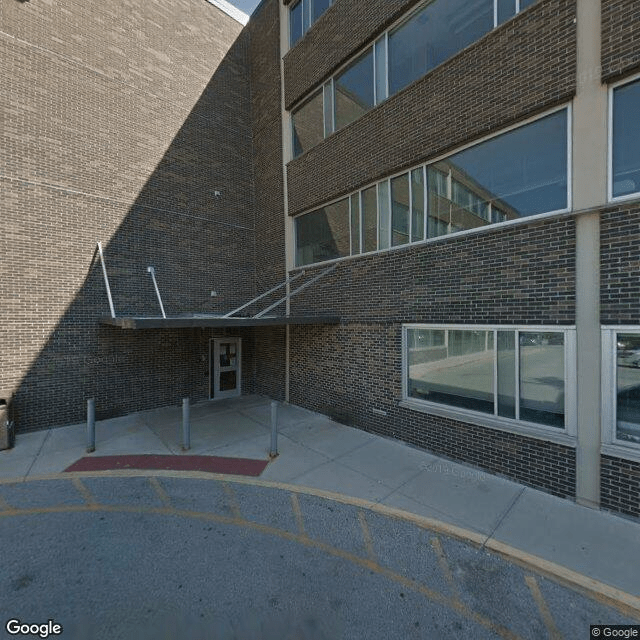
 Skilled Nursing Facility
 Indianapolis International (9 miles away)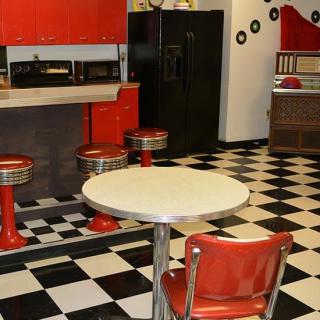
 Comprehensive memory care and skilled nursing with extensive on-site amenities.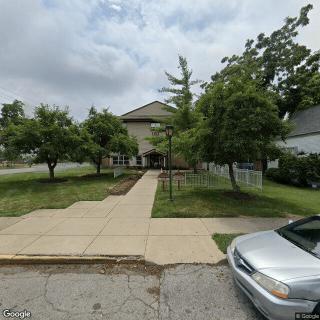


 Comprehensive Guide to Blood Pressure Charts for Older Adults: Understanding Normal and High Readings by Age
 Financing Long-Term Nursing Home Care Through Social Security: A Thorough Exploration
 Essential Knowledge on Pneumonia in Older Adults