
1000 Dixon Avenue, Rock Falls, IL 61071
For more information about senior living options: (866) 208-4318
Overall Review of Sauk Valley Senior Living
Cons
 The ex-husband’s care was very disappointing.
- The staff left the father unattended and did not ensure he ate or drank.
- Other clients roamed freely through the halls and his room.
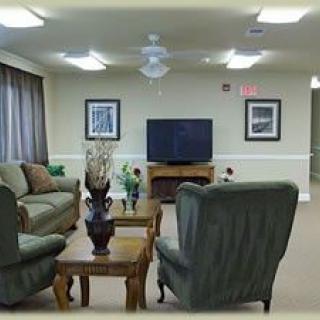
- The bathrooms were shared, and clients slept on couches near the entrance.
- The place was dirty in general.
- The staff were rude and nasty.
- A CNA dropped another client’s cigarette, picked it up, and put it back in the pack.
- Requests for medical attention arrived too late.
Review
Sauk Valley Senior Living in Rock Falls, IL is best suited for residents who are largely independent and for families prepared to act as active advocates. The community appears unsuited for seniors who need regular, hands-on assistance with daily tasks, meals, hydration, or personal care. Based on the experiences described, reliable staff responsiveness and consistent safety oversight cannot be assumed, so those who rely on daily help should look elsewhere. For families, this means being ready to monitor care closely, request frequent updates, and be prepared to pursue prompt escalation if needs go unmet. In short, this setting may work for a very self-sufficient senior, but it is not a good fit for anyone requiring dependable, ongoing support.
Alternatives should be strongly considered by anyone prioritizing dependable care, safety, and a respectful atmosphere. Families dealing with memory impairment, complex health conditions, or behavioral challenges will want a facility with solid staffing ratios, on-site nursing, and clear care plans. The reports suggest a risk of neglect and poor communication, which can escalate quickly for residents whose needs change over time. Potential residents who expect clean, well-maintained common areas and a calm, orderly environment may be disappointed by the inconsistencies described. In essence, those seeking peace of mind about daily supervision should pursue other communities known for stable caregiving and professional conduct.
The most troubling elements cited are safety and basic care failures. One account describes a resident who was left unattended during a critical period, with staff not ensuring hydration or nourishment, and with other residents roaming unsecured halls. Shared bathrooms, a cluttered or dirty overall environment, and residents sleeping in public areas point to a fundamental mismatch between needs for dignity, safety, and clean surroundings and what the facility appears to provide. A separate report adds concerns about staff behavior, including rude communication, which erodes trust and undermines the resident’s sense of security. Taken together, these factors create a high-risk environment for anyone relying on consistent, compassionate care.
There are virtually no credible pros documented in these sources to offset the pronounced cons. The absence of highlighted strengths, such as strong nurse presence, engaging activities, or well-organized dining and housekeeping routines, means there is little to counterbalance the care lapses described. Without tangible indicators of reliability or quality control, the concerns about safety, infection risk, and emotional well-being weigh heavily. Prospective families should treat any promises of comfort or efficiency with skepticism until verifiable, independent assessments confirm otherwise. In this context, the negative experiences carry disproportionate weight.
For families evaluating options, a deliberate, practice-driven due diligence process is essential. Schedule multiple, in-person visits at different times of day, not just advertised tours. Request to see current staffing rosters, care plans for residents with similar needs, and records of any incidents or follow-up actions. Speak with residents and family councils, if available, to gauge day-to-day realities. Verify state licensing compliance, recent survey results, and the facility’s response to past deficiencies. Demand transparency on pricing, what levels of care are included, and how emergency medical support is coordinated. If any hesitation persists around supervision, hydration, or cleanliness, pursue other communities with proven track records.
Ultimately, this community is not recommended for families requiring dependable, respectful, and proactive care. The strongest course is to explore facilities with demonstrable staffing stability, clear resident oversight, and consistently clean, safe environments. For a senior with modest needs, a trial stay could be considered, but only if a robust oversight plan accompanies it. If care quality, safety, and dignity are non-negotiable, direct attention to alternatives that can deliver on these promises day after day, with transparent accountability and measurable outcomes.
 55 resident community capacity
 Skilled Nursing Facility
 Air-conditioning
 Beauty salon
 Cable or satellite TV
 Computer center
 Dining room
 Fitness room
 Fully furnished
 Gaming room
 Garden
 Housekeeping services
 Kitchenette
 Move-in coordination
 Outdoor space
 Private bathrooms
 Restaurant-style dining
 Small library
 Telephone
 Wellness center
 Wi-Fi/high-speed internet available
 Community operated transportation
 12-16 hour nursing
 24-hour call system
 Activities of daily living assistance
 Assistance with bathing
 Assistance with dressing
 Assistance with transfers
 Diabetes diet
 Medication management
 Mental wellness program
 Special dietary restrictions
 Concierge services
 Planned day trips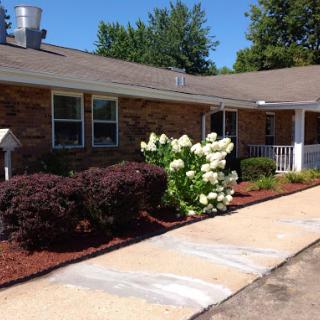
 Extensive on-site amenities and wellness programs.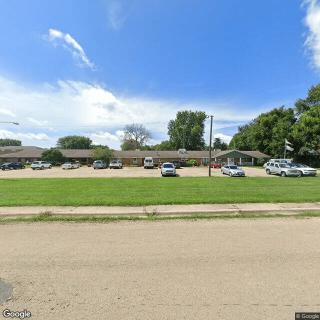

 Comprehensive Look at Senior Blood Pressure Charts: Normal and Elevated Levels by Age
 Top Canine Companions for Older Adults
 Comprehensive Guide to Blood Pressure Charts for Older Adults: Understanding Normal and High Readings by Age