

2201 E LeFevre Rd, Sterling, IL 61081
For more information about senior living options: (866) 208-4318
Avonlea Cottage of Sterling Costs & Pricing
Avonlea Cottage of Sterling offers competitive pricing for its accommodations compared to both Whiteside County and the state of Illinois. For a studio room, residents can expect to pay $2,500 per month, which is significantly lower than the county average of $3,303 and the state average of $4,028. When it comes to one-bedroom accommodations, Avonlea maintains an attractive rate of $4,400; however, this is slightly above the county average of $3,584 and just above Illinois' statewide average of $3,527. Overall, Avonlea Cottage delivers considerable value in its studio offerings while remaining aligned with regional pricing for one-bedroom units.
| Floor plans | Avonlea Cottage of Sterling | Whiteside County | Illinois |
|---|---|---|---|
| Studio | $2,500 | $3,303 | $4,028 |
| 1 Bedroom | $4,400 | $3,584 | $3,527 |
Assisted Living communities with a similar price nearby
-
from -$400 / mo
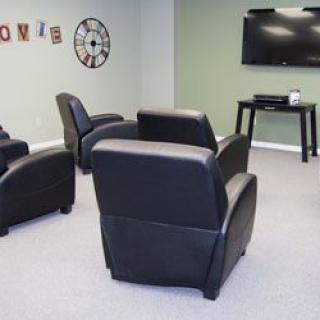
The Meadows of Franklin Grove
$2,100 to $2,900 / month19.3 miles away -
from +$435 / mo

Morningside Of Sterling
$2,935 to $5,195 / month1.8 miles away -
from +$200 / mo
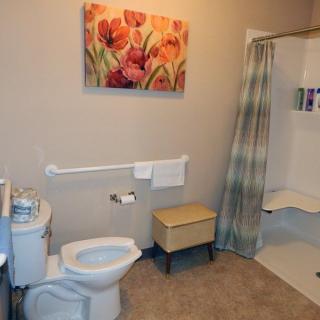
Resthave Home
$2,700 / month14.7 miles away
Overall Review of Avonlea Cottage of Sterling
Pros
 The smaller facility offers a better staff-to-resident ratio, making staff more available to families and residents.
- The majority of the nurse's aides are wonderful and caring.
- The food is home-cooked and delicious.
- Avonlea has warm, inviting staff that make visits memorable and welcoming.
- All staff members are kind and care about the residents.
- The facility and rooms are kept clean, and the meals are a highlight of daily life.
- Avonlea Cottage is highly recommended to others.
- The community feels very home-like, with long-tenured staff and welcoming new management.
Cons
 There were very few structured activities for the memory unit, and it appeared there was much more on the nursing home side.
- The facility needs some improvements, especially to the grounds.
- Housekeeping could be improved.
Review
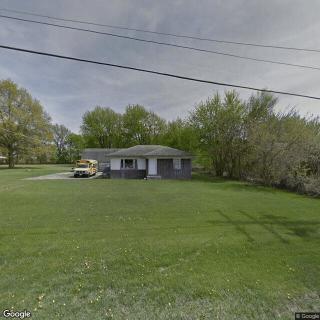
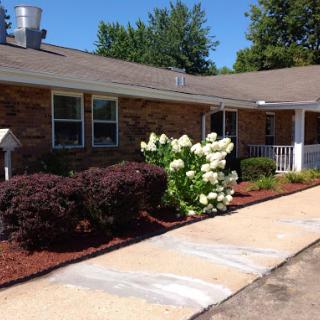
This Avonlea Cottage of Sterling is best suited for families seeking a warm, home-like atmosphere in a smaller, more intimate senior-living setting. The community’s compact, single-floor layout with private rooms supports easy navigation and frequent, meaningful interactions during visits. A notable strength is the staff-to-resident dynamic: a smaller operation translates into more availability, with caregivers who are consistently present, attentive, and genuinely engaged with both residents and families. This environment suits seniors who value genuine personal connections, stable relationships with caregivers, and the comfort of a residential feel over a large, clinical campus. For families prioritizing accessibility, a sense of community, and straightforward engagement with staff, Avonlea offers a compelling, practical home base.
For families weighing alternatives, several caveats matter. Those who rely heavily on memory-care programming and structured daily activities may want to compare options, as several reviewers noted limited memory-care activity and a shift of activity emphasis toward the nursing-home side. Memory care is a relatively new offering at Avonlea, and the experience may evolve as the program matures. Grounds and housekeeping also emerge as regular talking points: improvements are anticipated, but concerns about outdoor spaces and routine cleaning persist for some visitors. Additionally, a minority of reviews flag management changes, suggesting that leadership transitions can temporarily impact consistency. In short, the advantages of a small, caring setting must be weighed against the need for more robust memory-care programming and campus upkeep.
The most persuasive pros center on attentiveness and a lived-in sense of home. The smaller size fosters a better staff-to-resident ratio, which translates into more one-on-one time and quicker responsiveness. Families consistently report warm, welcoming staff who know residents by name and greet visitors, creating a trustworthy, comfortable visiting environment. Food emerges as a standout feature, home-cooked meals that residents and guests frequently describe as delicious, enhancing daily satisfaction and social dining moments. Cleanliness is repeatedly highlighted, as are private rooms on one floor, which supports safety and ease of supervision. The long-tenured staff and the impression of stable, caring teams, bolstered by a new administrator who has been described as an improvement, add a layer of reliability that can ease ongoing care decisions for families.
Yet the cons cannot be ignored, and they anchor the decision for caregivers with certain priorities. The memory-care component, while welcome, lacks the breadth of structured activities some families expect; this gap can limit engagement for residents who thrive on routine, varied programming. Housekeeping and grounds maintenance receive mixed reviews, with a clear desire for more polish in both the exterior spaces and daily cleaning tasks. The presence of new leadership is a double-edged sword: while recent management changes appear to have raised expectations, turnover can raise questions about consistency in policy and practice. Finally, one family’s experience and the lowest-rated review spotlight the possibility that a visitor’s impression may diverge, reinforcing the need for a thorough, in-person assessment.
In practical terms, Avonlea offers meaningful offsets to its drawbacks. The intimate scale means staff can tailor care plans with notable agility, directing attention to individual preferences and routines. The home-like dining culture and private, one-floor rooms contribute to a dignified, comfortable daily experience that many families prize in the elder-care search. Long-tenured personnel foster continuity of care, and the fresh management direction signals proactive attention to resident needs and family communication. For families who can supplement memory care with external activities or who prioritize a calm, homelike daily rhythm, Avonlea’s strengths align well with real-world routines and emotional well-being.
The bottom-line guidance is clear. Avonlea Cottage of Sterling is a strong match for families seeking a cozy, family-friendly environment where staff know residents well, meals feel like home, and the floorplan supports easy, intimate visits. It excels when the priority is personal attention, stability, and the comfort of a smaller community. However, those who require robust, highly structured memory-care programming, expansive outdoor spaces, or meticulous housekeeping may find alternatives more aligned with their expectations. Prospective families should visit with questions about current memory-care activities, speak directly with the administrator about staffing stability, and observe a dining and activity session to gauge whether the pace and programming fit their loved one’s needs. A trial stay or scheduled revisit can crystallize whether Avonlea remains the best fit or if another community offers the level of sustained structure and amenities that better match the care goals.
 Assisted Living
 Activities on-site
 Devotional services off-site
 Indoor common areas
 Ambulatory care
 Diabetic care
 Meals provided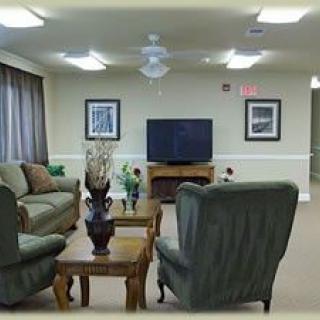





 How and When Medicaid May Cover Assisted Living Costs
 A Detailed Exploration of Assisted Living Medicaid Waivers Across the United States
 Comprehensive Residential Support and Assisted Living Solutions for Individuals with Disabilities