At Paris Health Care Center, the monthly cost for a private room is competitively priced at $3,030, which aligns with the average expenses in Edgar County. This figure stands in stark contrast to the higher statewide average for private rooms in Illinois, which reaches $5,049 per month. This favorable pricing not only reflects the center's commitment to providing quality care but also makes it an attractive option for families seeking affordable long-term care solutions without compromising on the standards of service and comfort.
Floor plans
Paris Health Care Center
Edgar County
Illinois
Private
$3,030
$3,030
$5,049
Overall Review of Paris Health Care Center
common6 reviews mention this
Rehab therapy is a mixed focus
Rehab therapy is a major talking point, with residents describing both real help and serious shortcomings.
Several reviews describe therapy as effective, including “miracles” from therapy staff and strong progress during rehab stays. Others say therapy time and rehab support fell short, especially for getting residents back on their feet. Across comments, families often connect therapy results directly to how their loved one was doing day to day.
common8 reviews mention this
Food quality is uneven
Dining experiences vary, with some residents praising meals while others report poor nutrition or seasoning.
Some families say meals are good or delicious, and mention specific likes like overall taste. Others are much less satisfied, calling food horrendous or not nutritious, and describing items that were not prepared as needed. A few reviewers also note meal preferences weren’t always well accommodated, or that seasoning was lacking.
common9 reviews mention this
Facility cleanliness is frequently mentioned
Cleanliness comes up often, with multiple reviewers describing a well-kept environment.
Many reviewers say the facility looks clean and well maintained, and a few describe noticing cleanliness right away. The most negative reviews also use cleanliness as a key part of their overall complaint, saying it was not clean. Even among positive comments, cleanliness is one of the first details families highlight during visits or stays.
caveat6 reviews mention this
Response times and staffing raise concerns
Some reviews describe delays that can affect timely help and communication.
A recurring concern is slow response when help is needed, including reports of long waits for assistance. Some reviewers also question how urgent requests are handled, or say communication can be limited to basic updates. Others add that staffing can leave the team busy, making it harder to respond quickly or resolve requests right away.
How we summarize
Counts show how many written reviews mention each theme; a review can touch several themes, and only frequently mentioned themes are displayed.
Features
Housing
128 resident community capacity
Types of Care
Skilled Nursing Facility
Amenities
Air-conditioning
Beauty salon
Cable or satellite TV
Computer center
Dining room
Fitness room
Fully furnished
Gaming room
Garden
Housekeeping services
Kitchenette
Move-in coordination
Outdoor space
Private
Private bathrooms
Restaurant-style dining
Small library
Telephone
Wellness center
Wi-Fi/high-speed internet available
Transportation
Community operated transportation
Transportation arrangement
Transportation arrangement (non-medical)
Transportation to doctors appointments
Care Services
12-16 hour nursing
24-hour call system
24-hour supervision
Activities of daily living assistance
Assistance with bathing
Assistance with dressing
Assistance with transfers
Diabetes diet
Meal preparation and service
Medication management
Mental wellness program
Special dietary restrictions
Dining
Diabetes diet
Special dietary restrictions
Activities
Community-sponsored activities
Concierge services
Fitness programs
Planned day trips
Resident-run activities
Scheduled daily activities
Nearby Places of Interest
Places of Worship
Grace Fellowship Church (0.1 miles)
Saint Mary's Catholic Church (0.6 miles)
First Christian Church (1.1 miles)
First Baptist Church of Paris (1.1 miles)
Grace Lutheran Church Child Development Center (1.5 miles)
At Paris Health Care Center, the monthly cost for a private room is competitively priced at $3,030, which aligns with the average expenses in Edgar County. This figure stands in stark contrast to the higher statewide average for private rooms in Illinois, which reaches $5,049 per month. This favorable pricing not only reflects the center's commitment to providing quality care but also makes it an attractive option for families seeking affordable long-term care solutions without compromising on the standards of service and comfort.
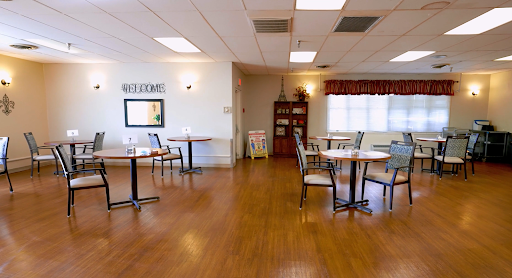
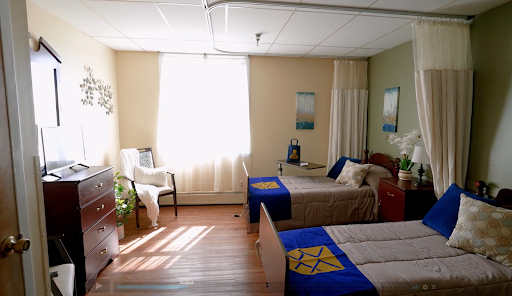
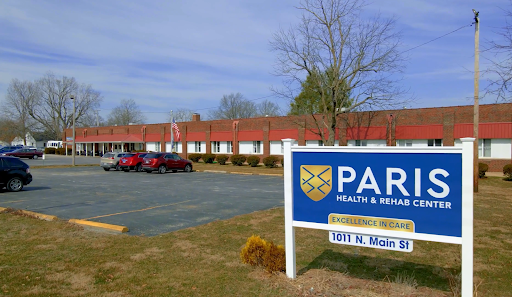
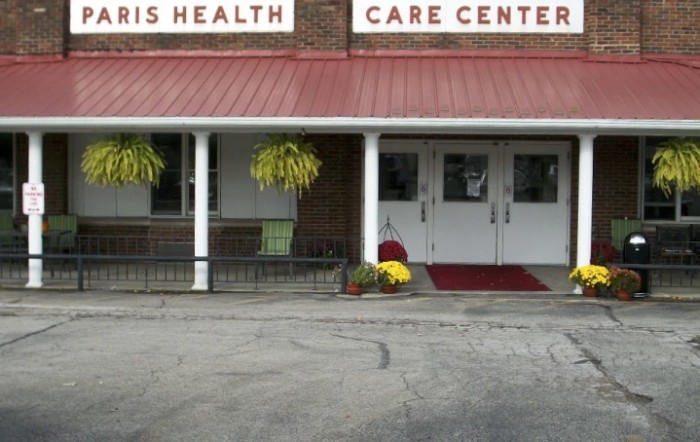
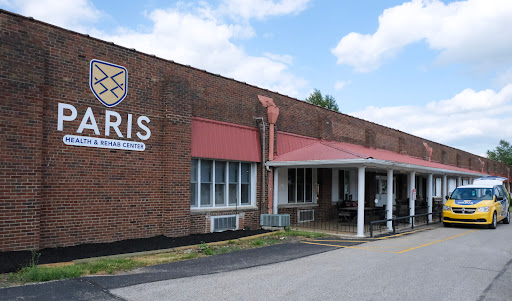
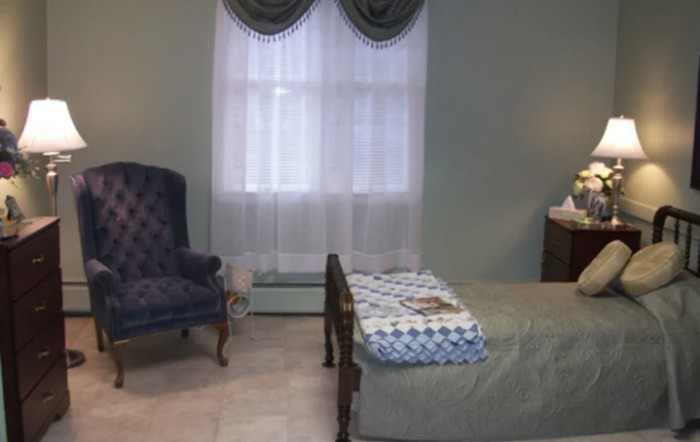
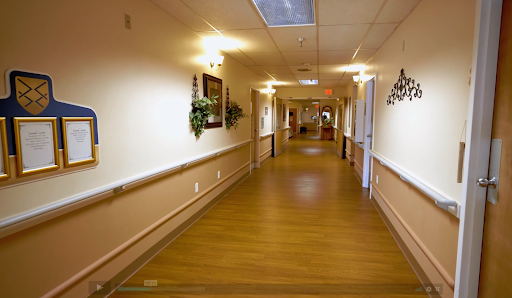
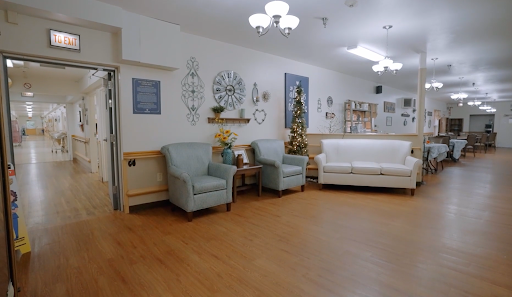
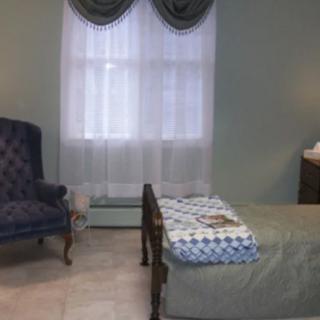
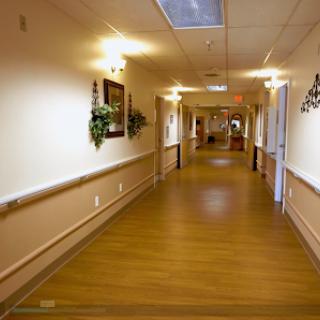
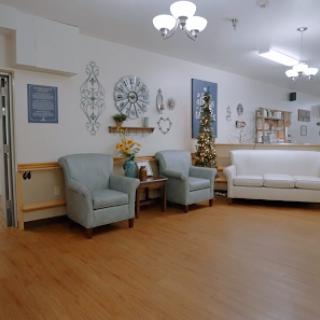
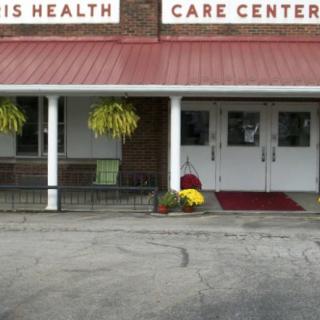
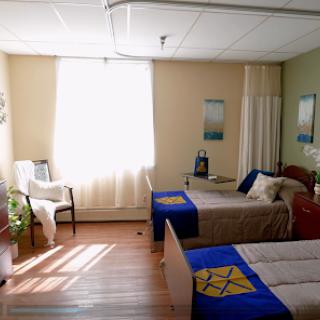
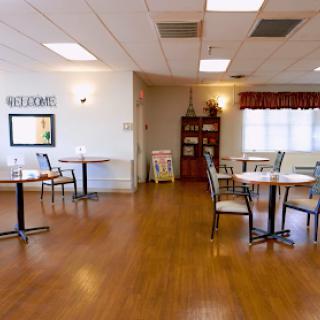
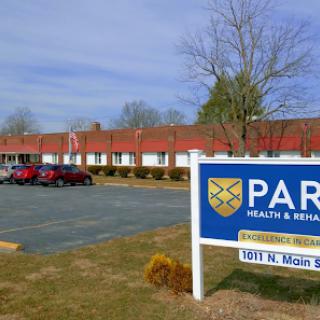
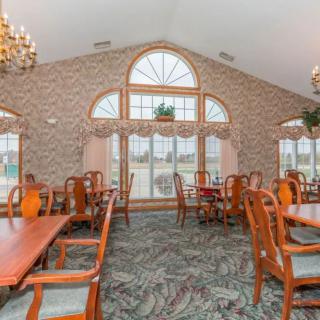
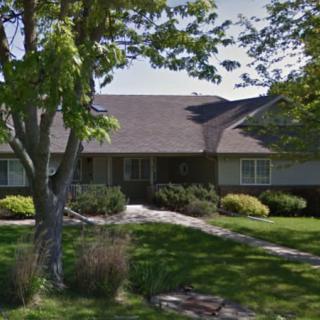
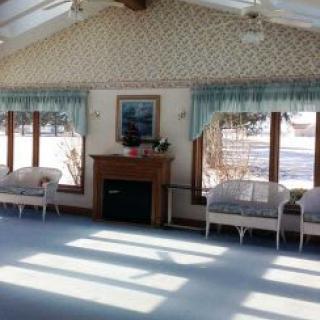
Paris Health Care Center on seniors.fyi includes 8 photos including images showing interior, bedroom, windows, decor, building, lighting, living room, dining, and more.
Nearby Communities
Lincolnland Home Care
Paris, IL
5 from 2 reviews
Strong local access to parks, pharmacies, physicians, restaurants, and places of worship.
Brookstone Estates Paris
Paris, IL
4.6 from 30 reviews
$4,105 to $4,622 / month
Warm, inviting atmosphere with helpful staff.
Senior Care Services At Brookstone Estates Of Paris
Paris, IL
4.3 from 13 reviews
Full continuum of care with on-site amenities.
Life's Journey Senior Living - Paris
Paris, IL
5 from 6 reviews
$4,200 / month
Intimate, family-owned setting with attentive staff and strong family communication.
Carriage Crossing Paris
Paris, IL
5 from 7 reviews
$4,800 / month
Caring staff in a home-like setting, with comprehensive memory care, medication management, and nutritious meals.
Carriage Crossing Senior Living of Paris
Paris, IL
Comprehensive memory care with 24/7 supervision, ADL support, medication management, and engaging activities.
Pleasant Meadows Senior Living
Chrisman, IL
3.3 from 44 reviews
$1,340 / month
Clean, homey environment with friendly staff and engaging activities.
Willowbrook Memory Support of Marshall
Marshall, IL
5 from 1 review
$4,900 / month
Caring staff, clean and welcoming home-like environment with engaging activities.
Harrison's Crossing Health Campus
Terre Haute, IN
4.4 from 47 reviews
$2,790 to $4,200 / month
Compassionate staff and strong rehabilitation services.
Palliative care focuses on alleviating distress at any stage of a serious illness and can accompany curative treatments, while hospice care is for those nearing the end of life with a prognosis of six months or less, emphasizing comfort over curative measures. Both prioritize holistic care for patients and families but differ in timing, goals, and scope.
Fecal incontinence, prevalent among older adults, arises from factors like weakened pelvic muscles and nerve damage, significantly affecting well-being and social interactions. Diagnosis involves clinical evaluation and tests to inform tailored treatments, while caregivers and preventive measures can aid in managing the condition effectively.
Gardening provides seniors with physical exercise, mental and emotional support, and social interaction opportunities, while accommodating their needs through raised beds and ergonomic tools. It promotes health benefits like improved dexterity and cardiovascular health, encourages sustainable practices, and allows for manageable upkeep with low-maintenance plants.
Get PricingAsk A QuestionSchedule A TourContact Senior Advisor
By clicking submit, you agree to our Partner's Terms of Use. You
also consent to receive calls and texts, which may be autodialed, from our Partner. Your consent is not a condition to
using our Partner's service. Please visit our Partner's Privacy Policy for information about their privacy practices.


 128 resident community capacity
 Skilled Nursing Facility
 Air-conditioning
 Beauty salon
 Cable or satellite TV
 Computer center
 Dining room
 Fitness room
 Fully furnished
 Gaming room
 Garden
 Housekeeping services
 Kitchenette
 Move-in coordination
 Outdoor space
 Private
 Private bathrooms
 Restaurant-style dining
 Small library
 Telephone
 Wellness center
 Wi-Fi/high-speed internet available
 Community operated transportation
 12-16 hour nursing
 24-hour call system
 Activities of daily living assistance
 Assistance with bathing
 Assistance with dressing
 Assistance with transfers
 Diabetes diet
 Medication management
 Mental wellness program
 Special dietary restrictions
 Concierge services
 Planned day trips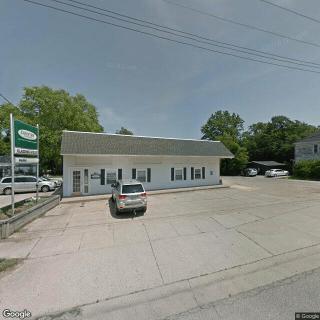
 Strong local access to parks, pharmacies, physicians, restaurants, and places of worship.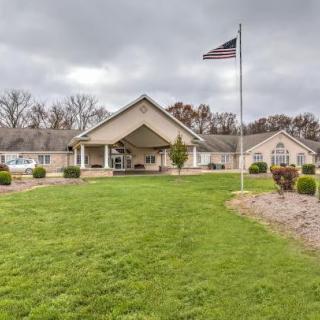



 Understanding the Nuances of Palliative Care and Hospice: A Comprehensive Exploration
 Fecal Incontinence in Older Adults: A Comprehensive Guide
 Nurturing Well-Being Through Gardening: A Detailed Guide for Senior Enthusiasts